VoltNode Charger
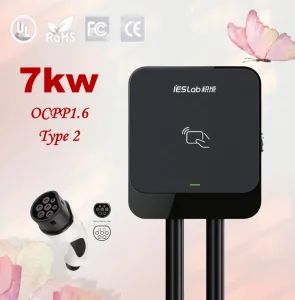
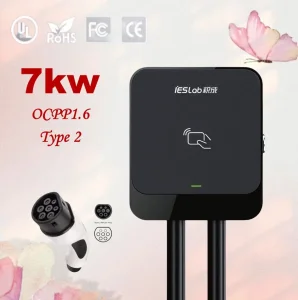
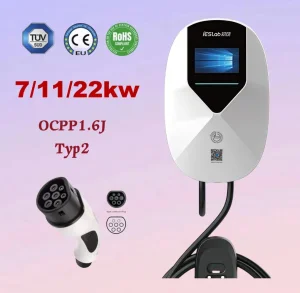
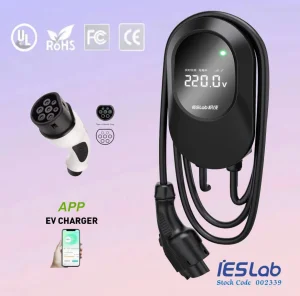
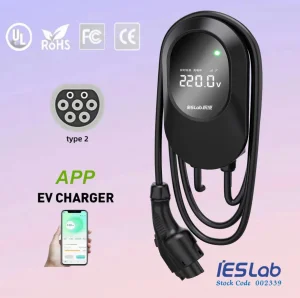
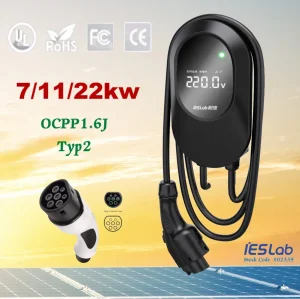
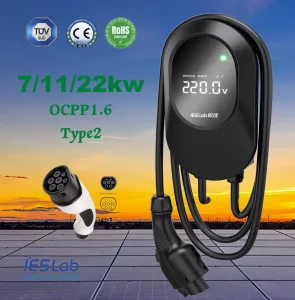
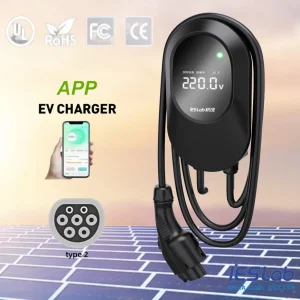
Namibia-Ready Premier Tethered EV Charging Units
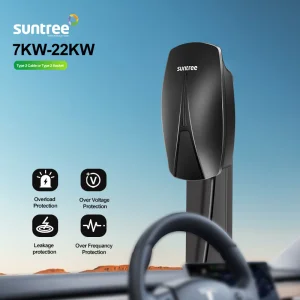
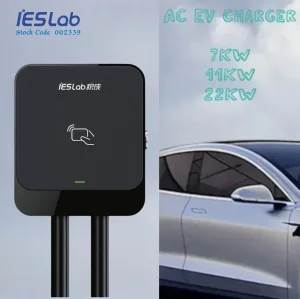
Explore our premium select range of high-efficiency AC charging systems configured to perform flawlessly under standard Southern African grid parameters.
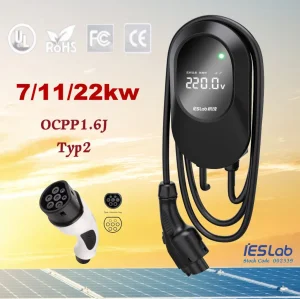
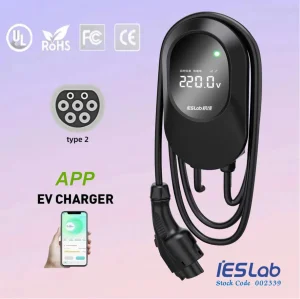
The Electric Mobility Landscape in Namibia: Industrial & Commercial Realities
Namibia is on the cusp of an energy revolution. Under the framework of Namibia's Vision 2030 and the Harambee Prosperity Plan, the nation is actively working to reduce its reliance on imported fossil fuels and tap into its vast renewable resource wealth. As the driest nation in Sub-Saharan Africa, Namibia enjoys over 300 days of sunshine annually, presenting an unparalleled potential for solar-integrated transport solutions.
However, importing and deploying Electric Vehicle (EV) infrastructure in Namibia requires deep customization. With grid distribution networks managed by NamPower and local regional electricity distributors (REDs like Erongo RED, NORED, and CENORED), installations must deal with extensive radial distribution lines, high ambient temperatures exceeding 45°C in the desert corridors, and localized voltage instability. High-grade tethered charging stations (equipped with integrated cables) play a critical role here. Unlike socketed variants, tethered designs prevent contact resistance failures arising from fine dust ingress (such as the Kalahari and Namib desert sands) and eliminate the risk of external cable loss or theft in public charging spaces.
Grid Fluctuations & Over-Voltage Protection
Many areas in Namibia experience sudden voltage surges or sags. Our charging stations are equipped with advanced over/under-voltage protection circuitry and dynamic load balancing (DLB) to protect both the vehicle battery and the electrical grid.
Severe Environmental Ingress Protection
VoltNode chargers are built to meet minimum IP54 ratings, with several models matching IP65 standards. This guarantees complete immunity to dust storm infiltration along the Trans-Kalahari Corridor and the coastal humidity of Walvis Bay.
Solar-Microgrid Synchronization
With Namibia’s rich solar profile, our AC and DC range integrates smoothly with dry contact controls and Modbus protocols to dynamically adjust charger output based on real-time solar generation.
Global Trends: Why Tethered EV Chargers Dominate Commercial Rollouts
Globally, the split between tethered and socketed EV charging points heavily favors tethered charging points for commercial fleet management, multi-family residential setups, and public corridor networks. The reasons are rooted in mechanical reliability and user ergonomics:
- Reduced Fault Vectors: Socketed chargers require drivers to use their own loose cables, introducing vulnerabilities through worn cable plugs, pin corrosion, and physical damage.
- Thermal Stability: Heavy-duty applications (22kW AC and higher) draw high continuous currents. Integrated tethered cables feature factory-molded connections with lower contact resistance, which mitigates overheating.
- Vandalism Deterrence: Commercial units feature reinforced TPU cables securely locked into internal terminals, preventing unauthorized removal or copper scraping in remote urban hubs.
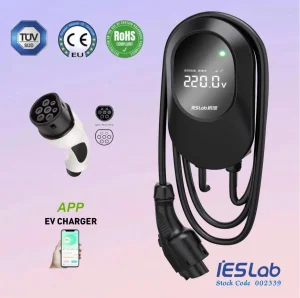
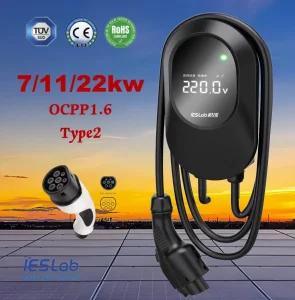
- Optimized Charging Speeds: VoltNode's intelligent three-phase systems dynamically scale between 7.4kW, 11kW, and 22kW, supporting multiple standards (Type 2, GB/T, and CCS).
VoltNode Engineering Edge
Our tethered cables utilize high-strength thermoplastic polyurethane (TPU) sheathing capable of weathering extreme UV radiation index levels (typical in the high altitude plains of Windhoek) without cracking or yellowing over a 10-year lifespan.
Request Technical Data SheetsDongguan VoltNode Charger Co., Ltd.
VoltNode is a globally recognized, high-tech pioneer specializing in high-performance electric vehicle (EV) charging hardware and energy management systems. Working with developers, importers, and regional electric distributors across Namibia and Southern Africa, we engineer and supply commercial-grade hardware designed for peak durability.
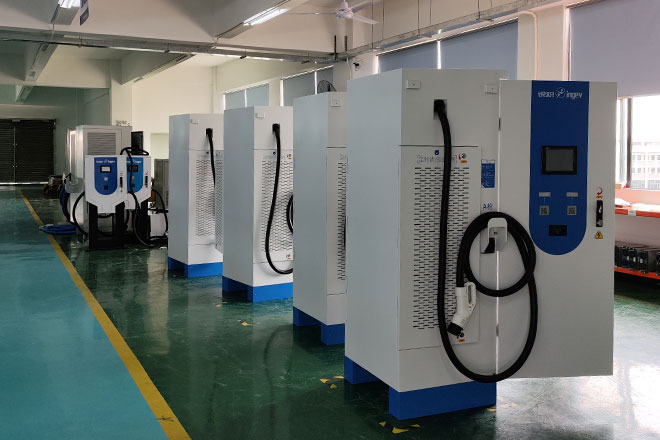
Advanced Manufacturing Capabilities
Operating a modernized 10,000 m² production facility in Dongguan, China, we coordinate a workforce of over 350 skilled professionals, including dedicated power electronics engineers, R&D staff, and strict quality control managers. We maintain an integrated manufacturing system, allowing us to offer tailored OEM/ODM adjustments—including specialized branding, localized input voltage tolerances, and protocol updates for Southern African operators.
Localized Application Scenarios Across Namibia
EV infrastructure cannot be deployed using a one-size-fits-all approach. We supply tailored systems designed to perform in several key Namibian contexts:
1. Remote Eco-Lodges & Safari Parks
Establishments in places like Etosha, Sossusvlei, or the Caprivi strip rely on off-grid solar storage. Our chargers feature customizable current limiting down to 6A to protect battery banks and prevent generator overload, enabling lodges to market clean, solar-derived EV charging to guests.
2. Walvis Bay Port Corridors
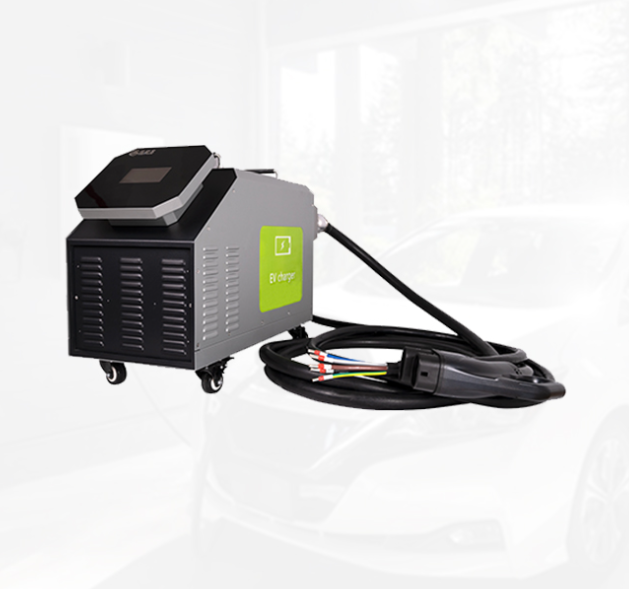
Heavy duty trucks and support fleets moving goods along the Walvis Bay corridor require robust charging points. Our wall-mounted and floor-standing fast-chargers utilize rugged steel enclosures and dual-tethered outputs for quick fleet turnaround.
3. Windhoek Commercial Complexes
For retail and office properties in the capital, our OCPP-compliant units integrate with commercial billing systems, enabling owners to offer pay-per-use charging via mobile apps or RFID cards.
Technical Specifications & Certification Architecture
VoltNode charging points are designed to match strict global compliance standards, making them highly reliable choices for engineering firms and developers throughout Southern Africa.
Comprehensive Testing Standards
Every charging system leaving our assembly lines undergoes rigorous insulation testing, ground-continuity checking, and thermal cycling. This ensures they can operate continuously under high-heat conditions in arid regions.
- Safety Standards: Compliant with CE, IEC 61851-1, and SGS.
- Communication: Open Charge Point Protocol (OCPP) 1.6J and OCPP 2.0.1 ready.
- Connectivity: Standard 4G LTE, Wi-Fi, Ethernet, and RFID integration.
- Protection Systems: Integrated Type B RCD (DC 6mA + AC 30mA leakage protection) to safeguard local networks.
Technical & Commercial FAQ for Namibia Importers
Yes. Our chargers are fully compatible with Southern African grid standards (nominal 230V single-phase, 400V three-phase at 50Hz). We customize the low/high voltage threshold limits (from 170V up to 270V) in our firmware to prevent unnecessary charger shutdowns during voltage drops or spikes common on remote lines.
We build our outdoor units with IP54 and IP65 ratings using UV-stabilized polycarbonate and double-sealed enclosures. Our interior ventilation pathways are dust-shielded, and the hardware features an automatic thermal de-rating system that protects the internal electronic components if temperatures exceed 50°C, without shutting down the charging process.
Yes, all smart-configured VoltNode chargers use standard OCPP 1.6J and OCPP 2.0.1 protocols. This allows them to communicate with third-party billing backends and local payment gateways (such as PayToday or regional banking apps) via API integrations.
Tethered chargers provide a better user experience by eliminating the need for drivers to carry their own heavy cables. They also prevent physical wear and tear on ports, reduce dust accumulation, and minimize cable theft risks in unattended parking spaces.
Typical ocean freight transit times from Shenzhen or Guangzhou ports to Walvis Bay range from 28 to 35 days. For prototype samples and urgent requirements, air freight to Windhoek Hosea Kutako International Airport takes 5 to 9 days.
Yes, we support comprehensive OEM/ODM services for orders meeting our minimum order quantities. This includes custom exterior casing colors, company branding, specific cable lengths, and custom startup screens on LCD-equipped models.
We provide a standard 2-year warranty on all charging units. Our engineering team offers online technical support, diagnostic help, and firmware updates via remote OCPP connections to ensure systems remain operational.
Comprehensive Industrial EV Charger Catalog for Southern Africa
Browse our complete catalog of CE-certified AC & DC charging hardware optimized for commercial, domestic, and utility deployments.