 VoltNode Charger
Featured Smart Tethered Chargers
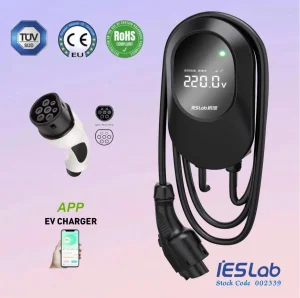
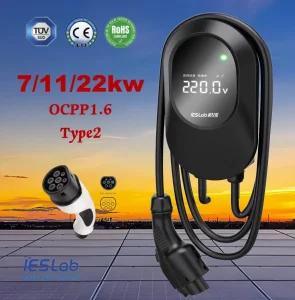
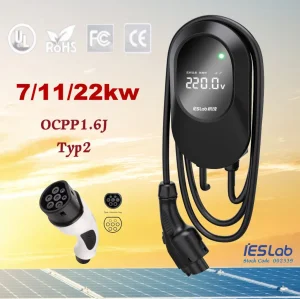
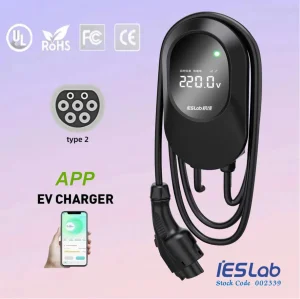
Engineered for extreme reliability, plug-and-play ease of use, and optimized power output across heavy duty environments in DR Congo.
DR Congo's Electric Mobility Revolution: Industrial Reality
The Democratic Republic of Congo (DRC) sits at the heart of the global green transition. As the source of over 70% of the world's cobalt and vast reserves of copper, the country supplies the core elements driving the clean energy revolution. Today, the DRC is taking its next logical step: electrifying its own local transport, logistics, and industrial infrastructure.
Adopting electric vehicles (EVs) in DRC is highly strategic, yet it presents unique regional demands. From mining concessions in Lualaba and Katanga provinces to urban logistics inside Kinshasa, fleet operators require charging infrastructure that operates flawlessly under challenging conditions. Dust, humidity, voltage fluctuations, and heavy usage demand hardware that is robust and simple to maintain.
Tethered EV Charging Points—where the charging cable is permanently attached to the station—have emerged as the optimal technology for the Congolese market. Unlike socketed units, tethered systems prevent cord theft, remove driver-side configuration issues, and protect critical connection components from regional dust ingress.
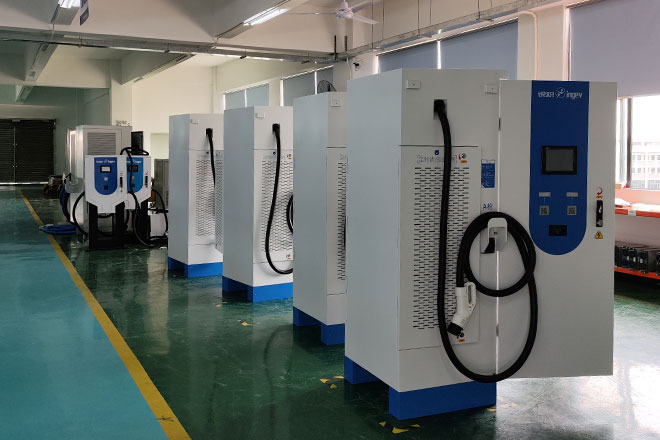
Localized Application Scenarios in DR Congo
We design charging systems tailored to key operational sectors throughout Central Africa.
Mining Fleet Charging
Designed for mining light vehicles, pick-ups, and personnel shuttles in Kolwezi and Lubumbashi. Our tethered stations deliver fast charging during shift changes, with IP54 dust protection that prevents fine copper/cobalt dust from fouling electrical contacts.
Kinshasa Urban Logistics
For urban delivery vans and commercial passenger fleets inside Kinshasa. Tethered cables eliminate vehicle-side setup delays, ensuring drivers spend less time handling dirty cables and more time on the road, increasing overall fleet efficiency.
Solar Microgrid Integration
Ideal for decentralized, off-grid locations. Our charging stations integrate with solar arrays and local energy storage systems, utilizing built-in load control algorithms to balance power usage during peak and off-peak production hours.
Technical Adaptations for the Central African Grid
Operational reality in DRC requires custom electrical protections to handle volatile grid conditions.

Grid Stability & Voltage Tolerance Engineering
Grids in the DRC can experience rapid voltage sags and surges. Charging stations must protect both themselves and the vehicle's battery. Our technical team has integrated specific features to address this:
- Wide Input Voltage Range: Tolerates line deviations of up to ±20% without going offline.
- Active Protection: Instantaneous overvoltage, undervoltage, and leakage current protection (Type A + DC 6mA equivalent).
- Integrated OCPP 1.6 & 2.0.1: Enables remote operators to throttle charger output via 4G/GPRS networks to avoid tripping local transformers.
- Anti-Corrosive Enclosures: High-strength, UV-stabilized materials built to withstand direct sun, heavy rain, and corrosive atmospheres.
By standardizing on tethered Type 2 and GB/T connections, we supply systems that match both European-import EVs and Asian-import electric vehicles common in DRC.
VoltNode China Supply Chain Resilience & OEM/ODM Edge
How our Dongguan manufacturing hub provides reliable, cost-effective infrastructure deployment.
Dongguan VoltNode Charger Co., Ltd. operates at the core of the global electronics supply chain. With our 10,000 m² factory and over 350 skilled professionals, we manage the entire lifecycle of EV charging equipment—from initial hardware design and firmware engineering to high-volume assembly and QA testing.
For procurement managers and utility developers in DR Congo, this delivers distinct advantages:
- Optimized Cost Structure: Direct raw material sourcing and automated assembly lines reduce manufacturing costs, passing these savings on to projects in Central Africa.
- Custom Tailoring (OEM/ODM): We adapt power profiles, integrate custom branding, modify cable lengths (up to 7.5m/10m), and design specific software features for local grid operators.
- Rigorous Pre-Shipment Inspection: 100% full-load burn-in testing ensures that every charging station operates out-of-the-box, minimizing the need for costly international returns from remote DRC locations.
Supplier Capabilities
Our manufacturing capacity is optimized to handle large infrastructure orders and quick rollouts:
- Production Output: Over 15,000 AC stations and 1,200 DC chargers per month.
- Advanced Testing Equipment: Automated testing bays, climate chambers, and simulated load testers.
- Raw Material Control: All critical internal components—relays, microcontrollers, and current sensors—are sourced from tier-one global suppliers.
- Logistics Support: Experienced in securing and arranging container shipping to the Port of Matadi, Port of Dar es Salaam, or Port of Mombasa for onward transit to the DRC.
Explore Our Full EV Charging Range
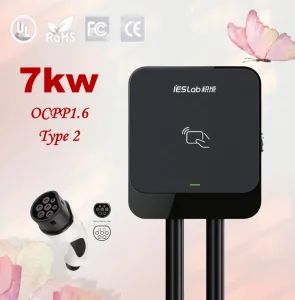
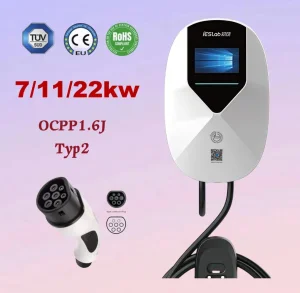
High-performance charging stations built to support commercial, fleet, and public infrastructure deployments.

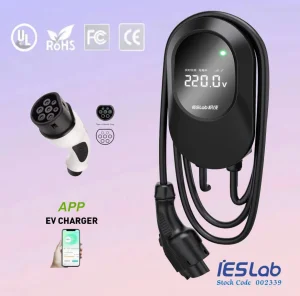
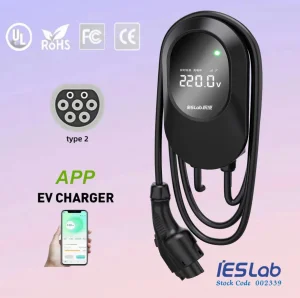
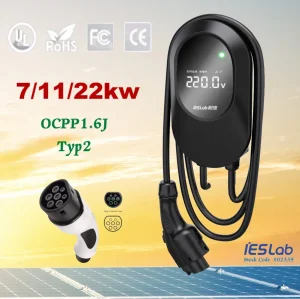
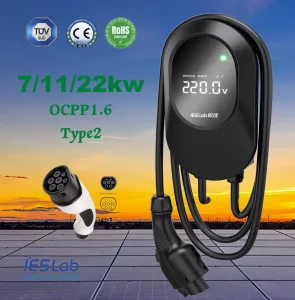
Global Standards, Local Compliance & Support
Ensuring reliable operations in DRC through internationally recognized testing and certification.
Shipping electrical equipment to Central Africa requires strict compliance with performance and safety standards. Our manufacturing processes and products are certified to meet international criteria, including CE and SGS certifications, ensuring conformity with European and international safety baselines.
Our Comprehensive Service Offerings
- Precise Manufacturing: We produce chargers that match customer-provided electrical schematics and specifications.
- Engineering & Design Support: Our engineers optimize products for commercial, fleet, or remote off-grid integration.
- Strict Quality Control: Multiple inspection stages run by our dedicated QC team ensure consistent assembly quality.
- Component Testing: Incoming components undergo testing before entering the assembly phase.
- 100% Pre-Shipment Testing: Every unit is tested under electrical load to verify performance before shipping.
- After-Sales Support: Technical support and documentation are provided to simplify local installations in DRC.
Tethered Charging: The Design Rationale
Tethered charging points provide clear operational advantages in commercial and fleet applications in DRC:
1. Preventing Component Loss: Attached cables cannot be misplaced, left behind, or stolen from vehicle parking areas.
2. Superior Ingress Protection: Standardizing the plug connection allows for a sealed interface design. This prevents dust, grit, and rain from entering the contact pins, avoiding electrical shorts.
3. Simplified Operation: Drivers plug directly into the vehicle without needing to supply, untangle, or stow their own loose cables, reducing the time required to begin a charge.
Frequently Asked Questions
Clear, technical answers to common questions about installing and importing tethered charging equipment to the DR Congo.
Q1: Can VoltNode EV charging stations handle voltage fluctuations on the DRC grid?
Yes. Our stations are designed with wide input voltage tolerance (typically ±20% deviations) and feature built-in protective relays. If input voltage drops too low or surges too high, the station shuts down to protect the vehicle's onboard charger and restarts once power levels stabilize.
Q2: Why is a tethered charger preferred over a socketed one for public or commercial use in Kinshasa or Lubumbashi?
Tethered chargers offer higher physical security and better protection against dust and moisture. Because the cable is integrated, it cannot be stolen or lost. Additionally, the sealed design helps prevent grit and humidity from settling on open plug pins, protecting electrical connections.
Q3: Can these charging points be integrated into off-grid solar and energy storage microgrids?
Yes. By using OCPP 1.6 or OCPP 2.0.1 via Modbus or Ethernet, our chargers can interface with microgrid controllers. This allows developers to adjust charging rates based on battery bank charge levels and solar output, protecting local storage systems.
Q4: What are the lead times and shipping routes for exporting to the Democratic Republic of Congo?
Typical manufacturing lead times range from 15 to 25 days depending on the order size. We coordinate freight through key regional entry ports: Matadi Port for the western region (Kinshasa), or Mombasa/Dar es Salaam ports for overland transport to eastern regions (Lubumbashi, Kolwezi, Goma).
Q5: Do you support OEM/ODM projects with custom cable lengths and branding?
Yes. As a direct manufacturer, we offer full OEM and ODM services. We can customize cable lengths (e.g., to 7.5 meters or 10 meters), print corporate logos on the housing, and customize firmware interfaces to align with regional grid requirements.