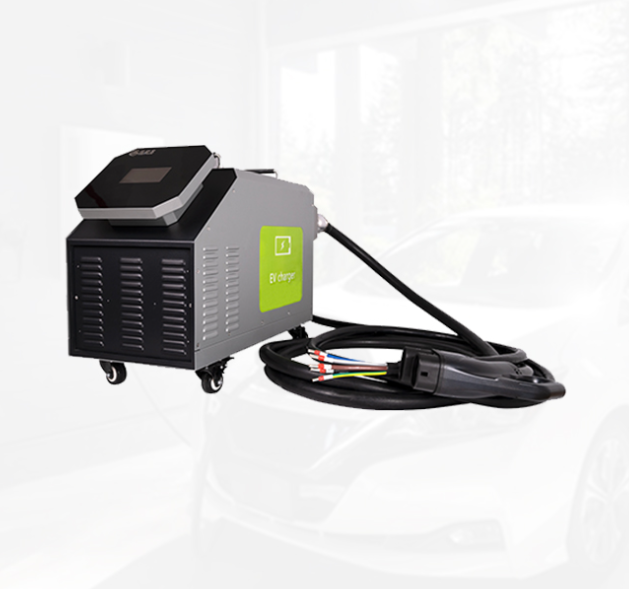
 VoltNode Charger
Eritrea Market Prime Selections
Direct from our advanced manufacturing facility: high-frequency coupled off-grid power solutions tailored for regional electrification.
Eritrea's Energy Paradigm: The Imperative for Decentralized Solar-EV Infrastructures
Eritrea, located in the Horn of Africa, is currently navigating an ambitious transition toward energy autonomy. The nation is characterized by high solar irradiance levels—averaging 5.5 to 6.2 kWh/m²/day across regions such as the Asmara plateau and the Red Sea coastal plains (Massawa). Conversely, the traditional electrical grid infrastructure suffers from significant structural bottlenecks, including load shedding, localized transmission losses, and reliance on imported fuel oil for heavy generator operations.
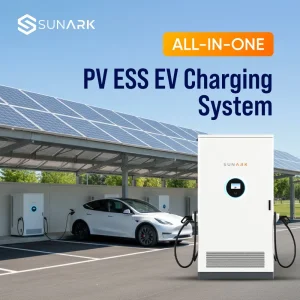
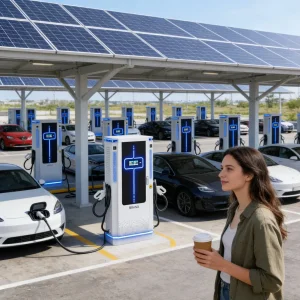
For industrial operators, corporate transport fleets, mining entities, and commercial enterprises in Eritrea, scaling up fleet electrification cannot depend on the standard grid. It requires a direct integration of Photovoltaic (PV) power and Battery Energy Storage Systems (BESS). By capturing solar energy directly and converting it to high-voltage DC electricity for EV drivetrains, businesses avoid the cost and volatility of grid expansion while ensuring 100% operational uptime.
Local Industrial & Commercial Application Use-Cases
The layout of our solar-powered charging architectures is custom-engineered to match Eritrea’s key economic growth sectors:
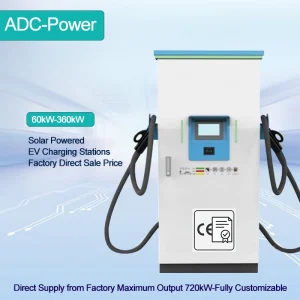
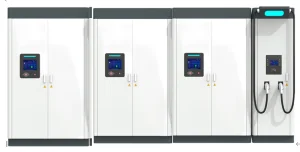
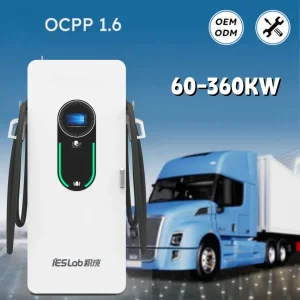
- Mining & Extraction Sites: Remote locations like the Bisha Mine rely on localized microgrids. Our high-capacity 360kW-960kw split chargers run on direct solar arrays, allowing continuous duty cycles for electric industrial support vehicles.
- Logistics Corridors (Massawa-Asmara Route): The heavy cargo transit route requires high-capacity pit-stop charging. Integrating battery-buffered solar charging stations prevents heavy strain on urban substations.
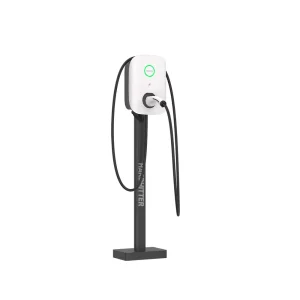
- Agricultural Cooperatives: Water pump systems and local utility transport vehicles use decentralized 22kW wallboxes connected to off-grid solar kits.
- Commercial Office Hubs in Asmara: Public and private parking decks utilize dual-connector systems to capitalize on peak daytime solar yields while offering fast charging for staff transport.
Eritrean Solar Resource Profile
Eritrea's geographic position makes it one of the top locations globally for photovoltaic power generation efficiency.
| Region | Avg. Daily DNI | Annual Solar Yield |
|---|---|---|
| Asmara (Plateau) | 6.1 kWh/m² | ~2200 kWh/kWp |
| Massawa (Coastal) | 5.8 kWh/m² | ~2100 kWh/kWp |
| Assab (Southern Coastal) | 6.3 kWh/m² | ~2280 kWh/kWp |
VoltNode Manufacturing Competence & Engineering Scale
State-of-the-art manufacturing based in Dongguan, China, delivering fully certified, heavy-duty solar EV chargers globally.
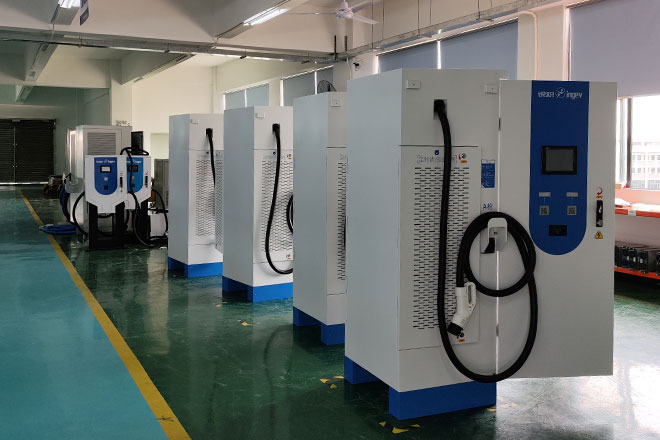
Dongguan VoltNode Charger Co., Ltd.
VoltNode is a premier high-tech enterprise specializing in electric vehicle (EV) charging equipment and integrated microgrid components. Operating a modern manufacturing facility covering over 10,000 m² in Dongguan, China, our infrastructure is supported by a professional team of more than 350 employees, including experienced specialists in power electronics, software design, mechanical engineering, and global logistics.
We deploy advanced assembly lines and automated diagnostic chambers to support both high-volume standardized production and custom OEM/ODM designs. Our supply chain extends beyond standard AC/DC charging stations to encompass smart battery energy storage systems (BESS), solar hybrid inverters, and multi-tenant billing/operational management software.
Technical Engineering Standards: Localized for the Eritrean Climate
Deploying solar equipment in Eastern Africa requires engineering choices that account for high temperatures, fine coastal sand, and variable input voltages. Our products are customized to guarantee high performance and reliability under these specific regional challenges:
| Environmental Challenge | Technical Risk | VoltNode Protective Engineering Measure |
|---|---|---|
| Coastal Humidity & Marine Salt (Massawa Port Area) | Corrosion of internal electronics, short circuits. | C5-M class anti-corrosion coating applied to metal enclosures; PCB boards sealed with triple-conformal silicone coatings. |
| Ambient Temperatures up to 45°C | Thermal throttling, component failure, battery performance drop. | Active liquid cooling and intelligent thermal management modules that operate reliably up to 55°C without derating. |
| Desert Dust & Sandstorms (Sahel/Lowlands) | clogged filters, cooling fan failures, component contamination. | IP65/IP66 ingress protection ratings with integrated double-layered filters and dual-chamber design. |
| Unstable Microgrid Voltage Swings | Overvoltage / undervoltage shutdown, damage to vehicles. | Wide operating voltage tolerance input ranges (304V-456V AC) and multi-stage isolation transformers. |
China Supply Chain and Procurement Advantages
Collaborating with VoltNode allows Eritrean project operators to source components direct from the center of global EV battery and charging manufacturing in Dongguan. This proximity provides significant pricing advantages, raw material priority, and accelerated lead times:
- Direct Component Sourcing: By buying direct from our facility, customers bypass mid-tier markup costs on high-frequency switching power modules, smart controller boards, and charging cables.
- Full OEM/ODM Versatility: We adapt systems to meet specific project needs, such as integrating customized billing protocols, localized 4G LTE communication modules, or bespoke physical mounting setups.
- Rigorous Testing Protocols: Every unit is tested under simulated high-temperature conditions and subject to automated testing routines before container loading and shipment.
Complete Off-Grid & Grid-Tied Solar EV Charging Portfolio
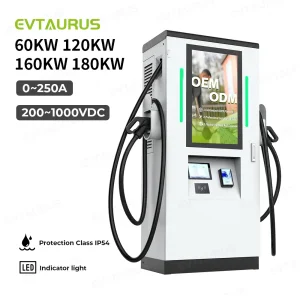
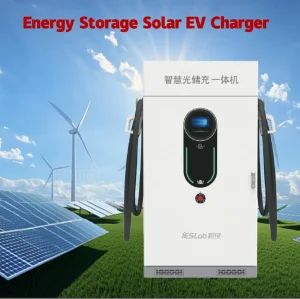
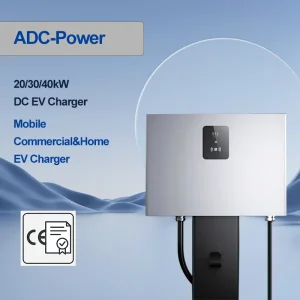
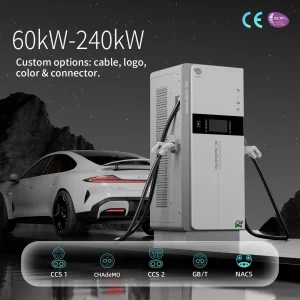
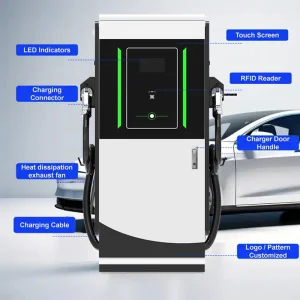
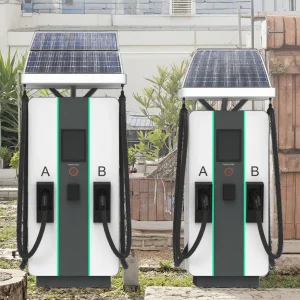
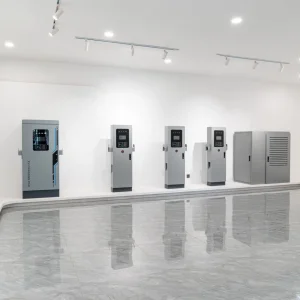
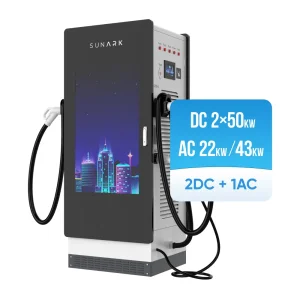
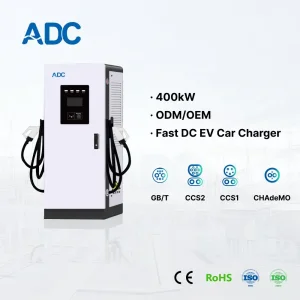
Explore our complete line of Level 2 and Level 3 DC fast chargers, designed to power fleets, public commercial areas, and remote infrastructure.

Our International Quality & Service Protocols
We provide a fully integrated production and service workflow that supports our installations throughout the Horn of Africa. Our service scope covers technical planning through to installation support and lifecycle maintenance.
- Engineering Integration: We build customized hardware systems based on site plans, architectural drafts, and energy storage capacity specifications.
- Material Qualification: All production components undergo inspection before assembly, sourcing exclusively from tier-1 component suppliers.
- Factory Testing: Every charging station undergoes functional validation and stress testing before shipping.
- Technical Operations Support: We supply direct engineering files, assembly schematics, and phone support to local electrical engineering teams on-site.
Frequently Asked Questions (FAQ)
Expert answers regarding engineering, logistics, and deploying solar EV chargers in Eritrea.