 VoltNode Charger
Hospital Integrated Power Modules & Chargers
Engineered for electromagnetic compatibility (EMC), low electrical noise, and high reliability in healthcare settings.
The Critical Importance of EV Charging Infrastructure in Modern Healthcare Facilities
As healthcare systems globally commit to carbon reduction mandates and "Net Zero" strategies, the transformation of hospital estates into sustainable hubs is underway. Electric vehicle (EV) charging infrastructure is no longer a secondary amenity; it is a foundational component of hospital microgrids, fleet logistics, and patient-care accessibility. However, deployment within hospital zones presents highly specific challenges: electromagnetic interference (EMI) risks to medical hardware, grid limitations, variable demand patterns, and the need for absolute uptime.
Dongguan VoltNode Charger Co., Ltd. stands as a premier technological pioneer in addressing these specific engineering requirements. Combining raw manufacturing capability with deep power electronics expertise, VoltNode designs, builds, and exports medical-grade EV charging infrastructure that integrates with hospital building management systems (BMS) without compromising safety or electrical stability.
Localized Application Scenarios in Healthcare Ecosystems
Every zone in a hospital complex has unique operational tempos and power distribution needs. Our customized tech deployment covers all key domains:
Emergency & Medical Fleets
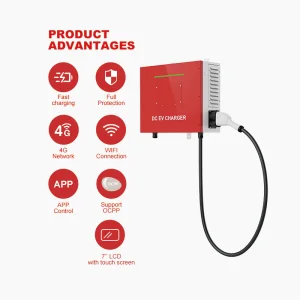
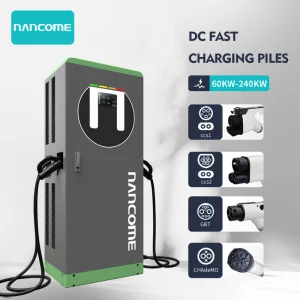
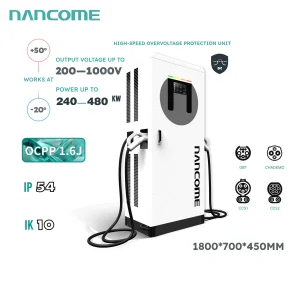
Emergency response vehicles, patient transport shuttles, and critical equipment vans require rapid, highly reliable DC charging. Using our 120kW to 240kW DC Fast Chargers with OCPP integration, hospital fleets can gain critical range within minutes during emergencies, backed up by intelligent charging priority overrides.
Staff & Physician Dedicated Zones
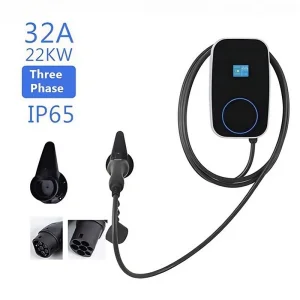
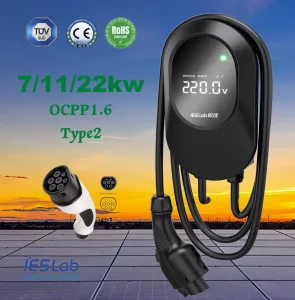
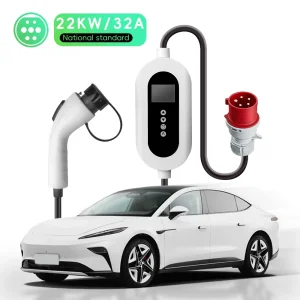
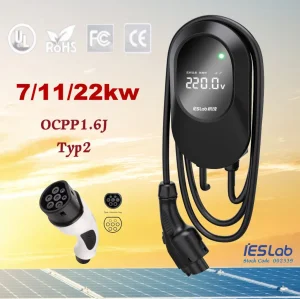
Doctors, nurses, and support personnel frequently work long shifts (8 to 12 hours) with predictable parking schedules. Our Type 2 7.4kW/11kW/22kW AC Smart Chargers utilize dynamic load balancing, ensuring vehicles are fully charged by shift end without creating massive, costly power spikes on the hospital network.
Patient & Visitor Parking Lot
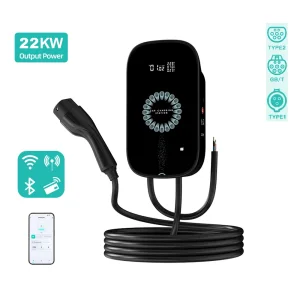
Patient and visitor turnarounds demand robust, user-friendly, and accessible billing. Equipped with RFID, mobile application integrations, and multi-standard connectors, our commercial chargers support seamless plug-and-charge convenience while facilitating automatic payment methods to offset hospital operational costs.
Technical Roadmap & Future Outlook
Navigating the intersection of local grid capabilities and advanced energy management system technologies.
Microgrid & Solar Integration
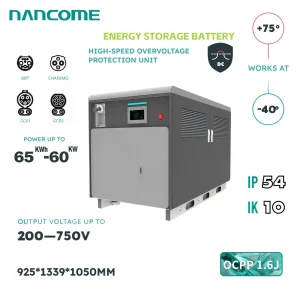
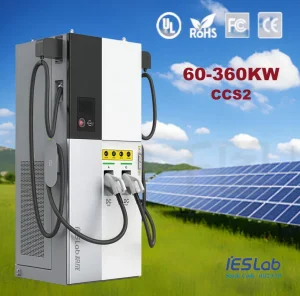
Integration of Photovoltaics (PV) and battery energy storage systems (BESS) with medical EV charging networks. Hospital estates use our high-power converters and smart switches to build isolated microgrids. These grids can continue to function in high-demand periods or local grid outages, ensuring emergency transportation is never cut off.
V2G (Vehicle-to-Grid) Bidirectionality
Using EVs parked in the facility lot as dynamic reserve power sources. In peak load hours, high-capacity vehicle batteries feed energy back into the hospital grid (V2G) to maintain critical infrastructure like ICUs and operating theaters, reducing utility costs and supporting local grid resilience during peak load stresses.
AI-Driven Load Balancing
AI algorithms monitor real-time clinical activity alongside power grid availability. In high-demand periods, hospital charging speeds are dynamically throttled or adjusted in non-critical zones, protecting high-priority medical equipment while maintaining vehicle functionality for long-stay users.
China Factory Supply Chain Resilience & Efficiency
Why hospital operators and distributors worldwide trust Dongguan's manufacturing precision.
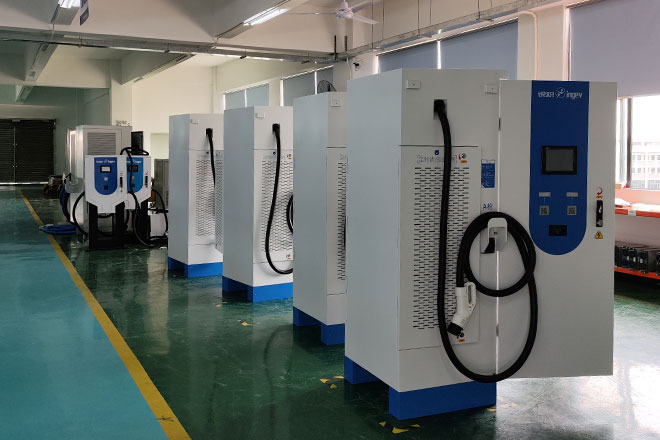
Located in Dongguan, the manufacturing capital of advanced electronics, Dongguan VoltNode Charger Co., Ltd. operates a modern facility covering over 10,000 square meters. The complex cluster of specialized electronic and structural component manufacturers within our immediate geography enables unparalleled flexibility and speed in custom development.
Our supply chain architecture integrates components, raw material inspections, modern testing lines, and aging chambers to deliver rapid shipping schedules. Supported by a workforce of more than 350 specialists, including R&D researchers, quality assurance technicians, and field support engineers, we achieve highly reliable and scalable output. Our comprehensive integration from design to manufacturing ensures we meet strict project specifications.
Direct OEM/ODM Customization
We design, customize, and prototype custom EVSE casing, mounting configurations, software platforms, and localized electrical protections based on custom engineering specifications.
100% Quality Assurance & Testing
Every charging system undergoes comprehensive automated load simulations, high-voltage insulation tests, protective relay checks, and functional evaluations before shipment.
Global Regulatory Approvals
Compliant with leading international safety standards, our systems carry CE, SGS, and regional inspection marks, verifying eligibility for international hospital tenders.
Global Commercial & Industrial Landscape
The global shift toward hospital decarbonization is driving changes in zoning regulations and building codes. In the European Union, the Energy Performance of Buildings Directive (EPBD) mandates dedicated EV charging infrastructure for all non-residential buildings, including medical facilities, with similar initiatives gaining momentum across North America and Asia-Pacific. However, hospitals require solutions that accommodate varying grid conditions and local safety codes.
VoltNode's modular hardware architecture is engineered to adapt to these regional challenges. Our equipment provides selectable power levels, wide input voltage windows, and dual-connector protocols (CCS2, GBT, and Type 2) to maintain reliable power output across different regional grid requirements. Whether upgrading historical European medical buildings or supporting modern urban healthcare campuses, we deliver reliable, site-appropriate power solutions.
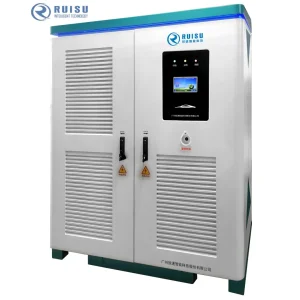
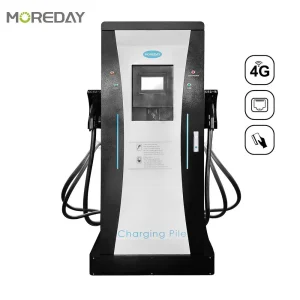
High-Power DC Chargers & Battery Storage Solutions
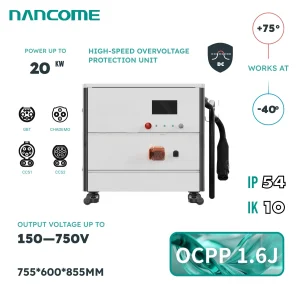
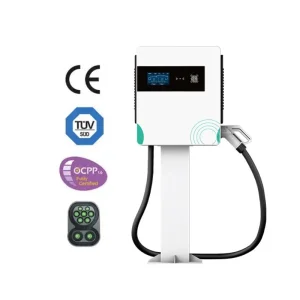
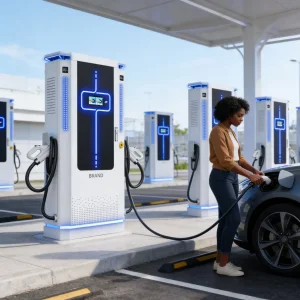
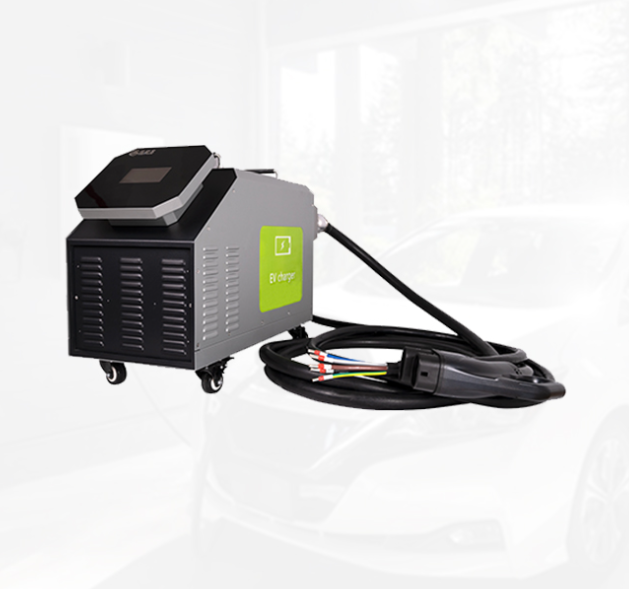
Discover our heavy-duty infrastructure products designed to support large-scale transport fleets and hospital emergency services.

Compliance, Localization & Global Support
Developing EV charging systems for healthcare environments requires meeting strict safety, isolation, and compliance standards. Because hospitals support patient care and sensitive medical instruments, VoltNode's chargers are designed to operate safely alongside critical equipment.
Safety Standard Compliances
Our products undergo strict certification tests, including CE and SGS, to verify insulation, grounding, and physical safety. These protections prevent ground faults and short circuits that could disrupt nearby hospital electrical feeds.
Electromagnetic Compatibility (EMC)
Engineered to limit electromagnetic emission, our systems operate without interfering with delicate diagnostics systems like MRI, CT scanners, and life-critical patient monitoring devices.
Integration and Scalability
Using standard OCPP (Open Charge Point Protocol), our systems integrate into preexisting hospital operations management platforms, allowing for remote OTA (Over-the-Air) monitoring and software updates.
Frequently Asked Questions (FAQ)
Key technical inquiries addressed by VoltNode's Engineering & Global Integration Division.
Our hardware is designed with advanced EMI/EMC shielding, built in accordance with IEC and EN 61851-21-2 industrial standards. High-performance filtering circuitry ensures that the electrical noise generated during high-power AC or DC charging does not propagate through the hospital's power distribution system or interfere with nearby diagnostic, monitoring, or life-support equipment.
Through OCPP integration and external smart energy meters, our EVSE systems communicate directly with the building management system (BMS). If the facility's power demand approaches capacity limits (e.g., during emergency operations or surgical hours), the EV chargers automatically scale down their power draw to protect medical services, restoring full charging capacity as demand levels return to normal.
Yes, VoltNode offers complete custom engineering. We can adapt charging systems for specific cabinet shapes, enclosure designs, local connector standards, localized safety breakers, customized RFID systems, and dedicated network management protocols to meet local grid requirements and facility layouts.
Standard configurations usually ship within 15 to 25 days, depending on order size. Bespoke designs and large commercial installations may take 30 to 45 days, which includes prototype testing, production assembly, and final compliance verification on our automated test benches.
All VoltNode smart chargers feature Over-the-Air (OTA) software support. We can diagnose, patch, and upgrade operational settings or charging algorithms remotely using OCPP, minimizing manual maintenance visits and ensuring compliance with the latest EV software standards.