VoltNode Charger
High-Efficiency DC Fast Charging Solutions
Engineered by leading Chinese manufacturing facilities to deliver maximum uptime, broad compatibility, and modular scalability.
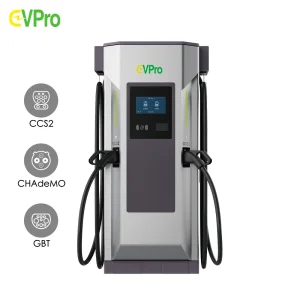
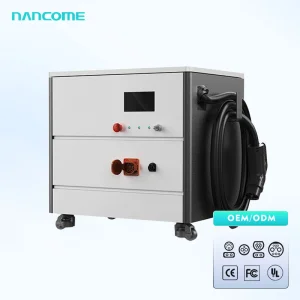
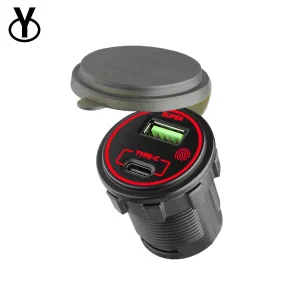
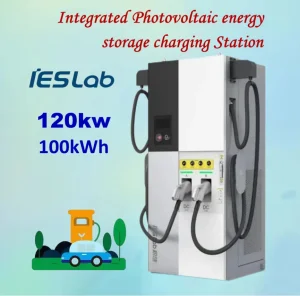
Understanding the Core of DC Charging: High Efficiency EV Power Modules
A deep technological analysis on how modular power topologies drive the conversion efficiency and economics of commercial charging systems.
The global transition to electric mobility demands charging infrastructure that is not just fast, but highly energy-efficient and scalable. At the heart of every DC fast charger lies the EV Power Module. These rectifiers perform the crucial task of converting alternating current (AC) from the grid into direct current (DC) optimized for electric vehicle batteries. The design, build quality, and efficiency metrics of these modules dictate the total operating costs (OpEx) of the charging station, thermal management needs, and the overall lifespan of the system.
By leveraging advanced power conversion topologies—such as LLC resonant converters and active three-phase Power Factor Correction (PFC)—Chinese manufacturers have revolutionized the power density profiles of charging modules. The standard power envelope has successfully shifted from 15kW and 20kW to high-density 30kW, 40kW, and even 50kW units. These systems occupy the same physical footprint while delivering conversion efficiencies peaking at 96.5% to 98%.
The Semantic Impact of High Efficiency
"A mere 1.5% improvement in conversion efficiency on a 150kW charger operating for 10 hours a day can save up to 8,200 kWh of energy annually. In high-power commercial installations, this translates directly to lower utility bills and a significantly reduced carbon footprint."
Key Specifications of Tier-1 Power Modules
Top-performing EV charging modules feature wide output voltage bands (typically from 150V DC up to 1000V DC) to accommodate both legacy 400V vehicle architectures and next-generation 800V platforms. With ultra-low standby power draw (<10W) and full digital control loops using Digital Signal Processors (DSP), these modules guarantee long-term stability and fast dynamic load response times.
High-Efficiency Power Modules: Localized Application Scenarios
Exploring how customized EV power modular integrations solve real-world logistical, commercial, and structural challenges across varying terrains.
1. Logistics Centers & Depot Charging
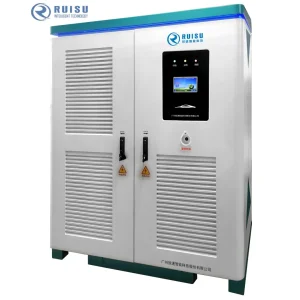
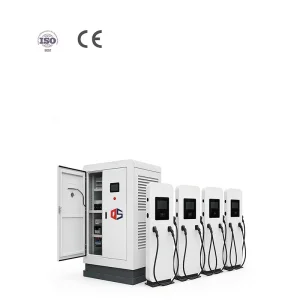
Fleet operators for electric trucks and urban delivery vans require robust high-power charging setups. In these depot centers, multi-cabinet chargers equipped with 30kW or 40kW hot-swappable power modules provide continuous overnight charging. If a single module fails, the charger dynamically redistributes the load among active modules, ensuring zero fleet downtime.
2. Public Highway Supercharging
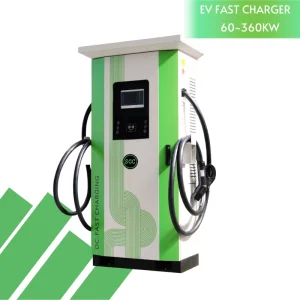
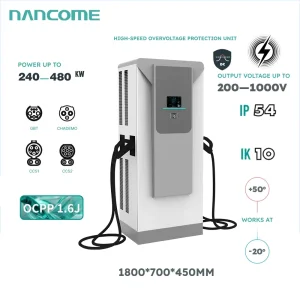
For drivers on long-distance routes, minutes matter. Highway charging stations utilize modular layouts scaled from 240kW to 480kW. Using high-voltage power modules that support ultra-fast 1000V DC outputs, these systems enable compatible passenger cars to add up to 300 kilometers of range in under 15 minutes, mitigating range anxiety.
3. Commercial Centers & Malls
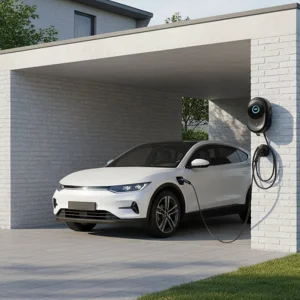
For shopping centers and hospitality venues, charging speeds must balance grid capacity constraints. Smart home and commercial charger installations integrate OCPP 1.6 protocols, dynamically communicating grid load back to the control modules. This ensures the facility avoids expensive peak demand charges while charging multiple vehicles.
Technological Roadmap & Future Outlook
Analyzing wide bandgap materials, advanced cooling mechanisms, and bidirectional power transfer innovations.
| Technology Generation | Core Semiconductors | Cooling Mechanism | Peak Conversion Efficiency | Max Voltage Threshold |
|---|---|---|---|---|
| Gen 1 (Legacy) | Silicon (Si) MOSFETs | Forced Air Cooling (IP20) | 93% - 94.5% | 500V DC |
| Gen 2 (Current Standard) | Silicon Carbide (SiC) / Si Hybrid | Independent Air-Duct Cooling | 95.5% - 96.8% | 1000V DC |
| Gen 3 (Next-Gen) | All-SiC / GaN (Gallium Nitride) | Liquid Cooling Systems (IP65) | 97.5% - 99.0% | 1200V - 1500V DC |
The Wide-Bandgap Semiconductor Revolution
The integration of Silicon Carbide (SiC) has revolutionized modern power electronics. SiC components offer significantly higher breakdown electric field strengths and thermal conductivities compared to legacy silicon. This allows modules to switch at higher frequencies, reducing the physical size of inductors and capacitors, resulting in compact, high-density power modules.
Additionally, switching losses are reduced by up to 50%, enabling higher operation efficiencies even at partial loads—a crucial metric for real-world charging behaviors where vehicles charge at lower speeds near full battery capacity.
Liquid Cooling: The Answer to Extreme Environments
Traditional forced air-cooled chargers struggle in environments with heavy dust, salt spray, or high ambient temperatures. The industry is rapidly pivoting toward liquid-cooled power modules. By isolating the internal power board from external air in a fully sealed IP65 chassis, coolant lines carry away excess heat. This completely eliminates fan noise, reduces maintenance costs by 80%, and extends the operational life of the charger module past 10 years.
China Factory Supply Chain Resilience & Efficiency
Why global Charge Point Operators (CPOs) and OEMs look to Chinese manufacturing hubs for scaling high-efficiency infrastructure.
Dongguan, located in the heart of China’s Pearl River Delta, serves as a global epicenter for electronic manufacturing and power component supply chains. The localized access to raw materials, semiconductor packaging plants, high-frequency magnetic components, and sheet metal fabrication allows factories like Dongguan VoltNode Charger Co., Ltd. to move from prototype to volume production in record times.
This localized supply chain yields structural advantages:
- Agile Component Sourcing: Direct relations with silicon and magnetic core suppliers reduce shipping delays and component shortages, keeping lead times steady even in volatile markets.
- Rigorous Testing Protocols: Automated Testing Equipment (ATE) arrays simulate real-world grid anomalies, voltage sags, and thermal spikes to validate module performance before shipping.
- Uncompromising Cost Efficiency: Capitalizing on specialized industrial clusters allows VoltNode to provide high-grade power electronics at competitive prices, lower CapEx, and improve ROI for global infrastructure projects.
Global Industrial Status & Utility Constraints
Different regions face unique structural challenges when rolling out public charging grids. In North America and Europe, older electricity distribution infrastructure means grid operators must impose strict regulations on current distortion. High-efficiency power modules combat this with an active Power Factor Correction (PFC) stage, keeping the total harmonic distortion (THD) below 5% and the power factor above 0.99 at nominal load. This ensures chargers do not pollute the utility grid with harmonic noise.
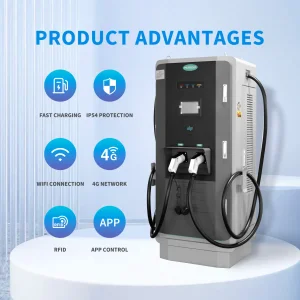
Furthermore, compliance with international communication protocols, specifically the Open Charge Point Protocol (OCPP 1.6 and 2.0.1), allows operators to manage energy distribution dynamically across large charging networks. It enables remote diagnostics, smart payment integration, and over-the-air firmware updates.
Localized Support & Global Compliance Assurance
International shipments require solid certification compliance. Top-tier power module suppliers ensure their products carry the necessary standard badges, including CE, SGS, and comprehensive CB test certificates. This guarantees smooth customs clearances and licensing approvals with local power authorities.
Beyond certifications, VoltNode provides customized design services to match distinct regional electrical configurations (e.g., three-phase 380V/400V/415V AC for European/Asian markets and 480V AC for North American utility standards).
Dongguan VoltNode Charger Co., Ltd.
Your Premier High-Tech Partner in Global EV Charging Infrastructure Operations.
Dongguan VoltNode Charger Co., Ltd. is a high-tech enterprise specializing in electric vehicle (EV) charging equipment and related accessories. We are committed to providing comprehensive, intelligent charging solutions and operational services for new energy vehicles, delivering a convenient, efficient, and reliable charging experience for EV users worldwide.

VoltNode operates a modern manufacturing facility covering over 10,000 m² in Dongguan, supported by a professional team of more than 350 employees. Our workforce includes experienced experts in research and development, engineering, production, quality control, sales, installation, and after-sales service. With strong technical capabilities and continuous innovation, we consistently deliver advanced, high-quality products to global customers.
As a forward-looking company, VoltNode actively contributes to the transition toward sustainable energy and green mobility. Our EV charging solutions are designed to meet the rapidly growing demand for electric vehicles across residential, commercial, and public infrastructure applications. We offer a full range of AC and DC chargers, including portable chargers, wall-mounted units, floor-standing stations, and mobile fast-charging systems.
In addition to EV chargers, our strong supply chain and procurement team enable us to meet diverse customer needs across related product categories, including smart charging systems, energy storage solutions, solar integration systems, inverters, and various automotive electronic accessories.
Our Factory & Operational Strengths
We have built a fully integrated production and service system that combines R&D, manufacturing, sales, installation, and operation management. Our facility is equipped with advanced production lines, automated testing equipment, and strict quality control systems to ensure product reliability and consistency. We support OEM/ODM services and provide customized solutions based on client specifications and project requirements.
Certifications & Standard Alignments
Our products comply with international standards and have obtained multiple certifications, including CE, SGS, and test reports issued by national EV charging inspection authorities. These certifications ensure that our products meet safety, performance, and environmental requirements in global markets.
Comprehensive Global Service Blueprint
- Provide precise and efficient manufacturing based on customer drawings and specifications.
- Offer customized design and engineering support for various applications.
- Implement strict quality control with a professional QC team.
- Conduct raw material inspection before production.
- Perform 100% testing and inspection before shipment.
- Deliver comprehensive after-sales support and technical guidance.
At VoltNode, we strive for excellence in every aspect of our business. Customer satisfaction remains our top priority, and we are dedicated to building long-term partnerships by delivering reliable products, innovative solutions, and outstanding service.
We warmly welcome you to explore our capabilities and collaborate with us in shaping the future of electric mobility.
Frequently Asked Questions: EV Power Modules & Chargers
Expert technical answers regarding structural design, cooling topologies, integration parameters, and custom ordering.
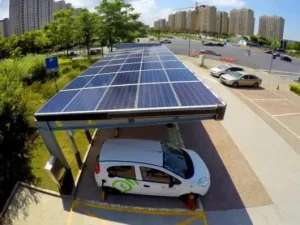
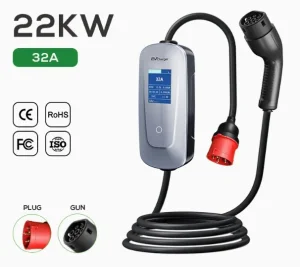
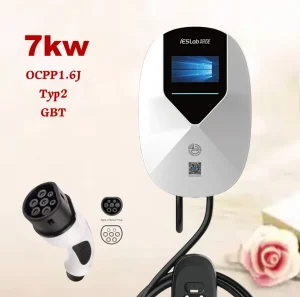
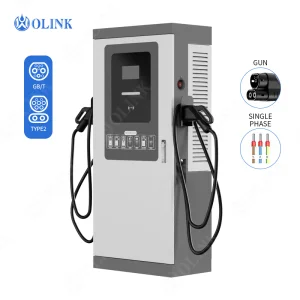
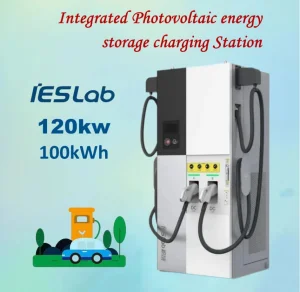
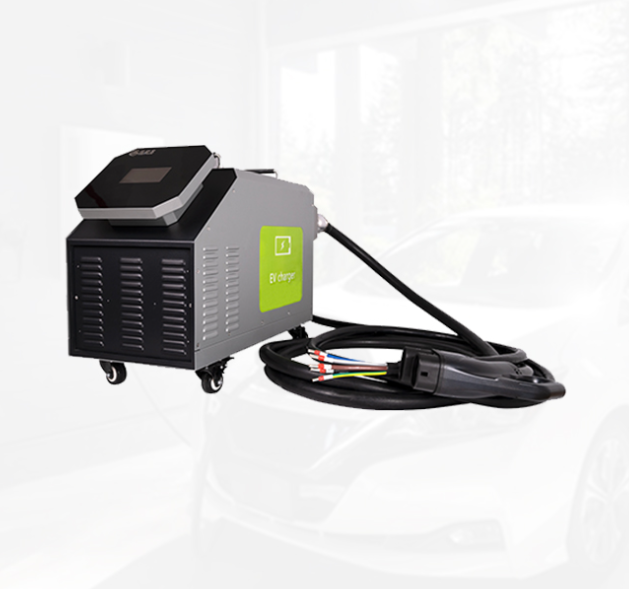
Advanced Solar & High-Capacity EV Chargers
Maximize off-grid capability, portable charging operations, and high-performance DC output configurations.