 VoltNode Charger
Premium Fleet & Commercial EVSE Hardware
Engineered for high duty-cycles, extreme durability, and maximum grid efficiency.

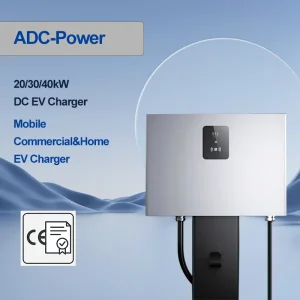
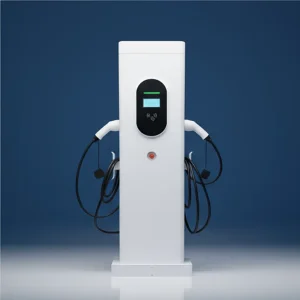
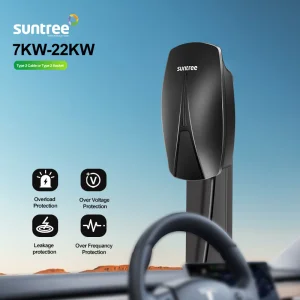
1. Global Industrial Landscape of EV Charging Infrastructure
The global transition to electrified transit and logistics has transformed EV charging hardware from a niche facility accessory to a mission-critical utility-grade asset. Large-scale corporate fleets, global shipping hubs, and mixed-use commercial properties face unprecedented regulatory and environmental pressures to deploy robust electric vehicle service equipment (EVSE). In the European Union, the Alternative Fuels Infrastructure Regulation (AFIR) mandates strict, distance-linked DC fast-charging outputs along key transport corridors. Simultaneously, the United States' NEVI (National Electric Vehicle Infrastructure) formula program enforces tight uptime standards (97%) and CCS/NACS physical integration requirements.
Within this macroeconomic landscape, Chinese EVSE manufacturing stands out. Decades of upstream power electronics development, robust access to raw magnetics and power modules, and specialized R&D clusters have positioned China as the premier supply base for commercial charging stations. Sourcing directly from top-tier Chinese manufacturers allows international buyers, EPC contractors, and charge point operators (CPOs) to achieve optimal price-to-performance metrics, robust modular redundancy, and rapid lead times that local markets cannot match.
Information Gain Insight: The key differentiator in 2024 and beyond is not merely nominal power output, but thermal management and conversion efficiency. Sub-standard configurations yield up to 12% energy loss at peak load, cascading into high operating costs. Premium manufacturers mitigate this via Silicon Carbide (SiC) MOSFET architectures that hold efficiency rates above 96% even at full thermal capacity.
2. Decoding Enterprise Procurement Needs: What Global Buyers Demand
Commercial and industrial (C&I) buyers do not acquire chargers based on retail catalogs; they invest in structured assets that require precise technical alignment. Key parameters analyzed by global procurement boards include:
- Interoperability and Protocol Support: Real-time software management depends heavily on OCPP (Open Charge Point Protocol) 1.6J and the newer OCPP 2.0.1. Hardware must seamlessly communicate with diverse backend software networks (CMS) to manage remote billing, diagnostics, and peak-shaving.
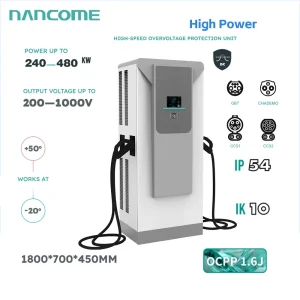
- Dynamic Power Allocation: Real-world fleet yards rarely charge vehicles at uniform rates. A dual-port 240kW charger must dynamically step down or split outputs (e.g., 120kW+120kW or 180kW+60kW) depending on the vehicle's battery management system (BMS) demands, maximizing total hub throughput.
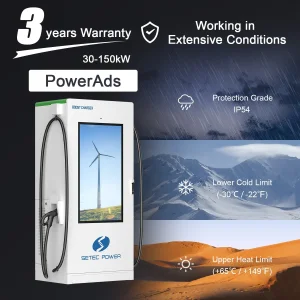
- Physical and Electrical Ingress Protection: Industrial environments expose hardware to abrasive dust, rain, salt spray, and extreme temperatures. Enclosures must meet IP54 or IP65 ingress ratings and hold IK10 impact protection indexes to reduce replacement overheads.
- Harmonic Distortion and Grid Impact: Large charging clusters inject harmonic noise into local distribution systems. High-end systems keep Total Harmonic Distortion (THD) below 5% at full load, preserving grid transformers and avoiding utility surcharges.
Technical Roadmap & Architectural Innovation
The transition toward liquid-cooled systems, bidirectional charging, and local storage integration.
Next-Gen SiC Power Modules
Transitioning from silicon IGBTs to Silicon Carbide (SiC) MOSFETs to minimize switching losses, shrink module size, and maintain high efficiency under severe heat loads.
V2G & Bidirectional Flow
ISO 15118 compliance enables plug-and-charge convenience and Vehicle-to-Grid (V2G) functionality, transforming idle fleet vehicles into distributed grid batteries.
PV & BESS Integration
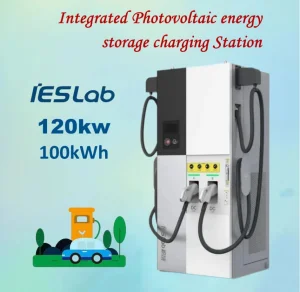
Coupling direct solar arrays with Battery Energy Storage Systems (BESS) to run fast-chargers without triggering high demand charges from local utilities.
3. Macro Industry Solutions for Diverse Verticals
EV infrastructure cannot follow a one-size-fits-all model. Operational requirements differ vastly across target commercial applications:
Logistics & Heavy-Duty Fleet Yards
For operations utilizing long-haul electric trucks and delivery vans, uptime is the key metric. Deployments rely on high-efficiency 360kW DC chargers or multi-dispenser satellite clusters. These systems operate continuously overnight, requiring integration with depot telematics software to ensure vehicles reach optimal State of Charge (SoC) before shifts begin.
Retail, Hospitality & Public Hubs
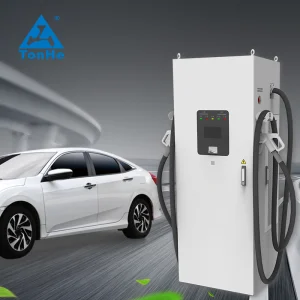
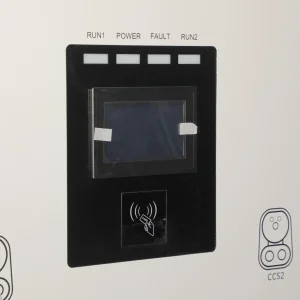
Public destination charging requires customer convenience. High-power Level 3 DC piles (ranging from 120kW to 180kW) paired with credit card readers, POS terminals, and bright user displays drive high utilization. Smart dynamic load balancing prevents these installations from overloading retail center electrical services during peak hours.
Corporate Workplaces & Mixed-Use Real Estate
Longer dwell times make AC Level 2 smart charging piles (7.4kW, 11kW, 22kW) the ideal fit for office complexes. Using OCPP-driven load management, a single 100A commercial feeder line can safely distribute power to dozens of charging points, scaling service capacity without requiring costly utility transformer upgrades.
Dongguan VoltNode Charger Co., Ltd.
A Premier High-Tech Pioneer in Global EVSE Manufacturing
Dongguan VoltNode Charger Co., Ltd. is a high-tech enterprise specializing in electric vehicle (EV) charging equipment and related accessories. We are committed to providing comprehensive, intelligent charging solutions and operational services for new energy vehicles, delivering a convenient, efficient, and reliable charging experience for EV users worldwide.
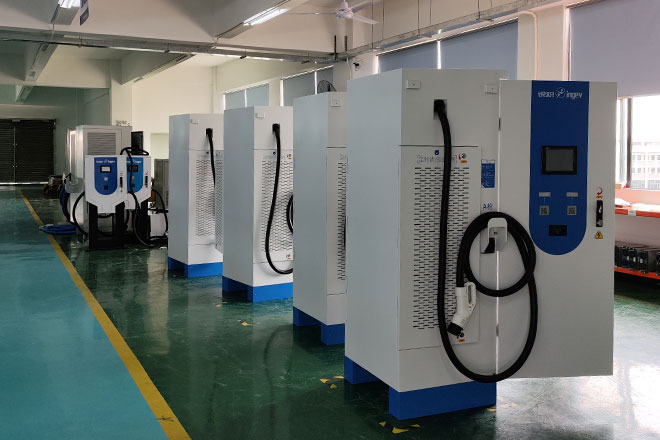
VoltNode operates a modern manufacturing facility covering over 10,000 m² in Dongguan, supported by a professional team of more than 350 employees. Our workforce includes experienced experts in research and development, engineering, production, quality control, sales, installation, and after-sales service. With strong technical capabilities and continuous innovation, we consistently deliver advanced, high-quality products to global customers.
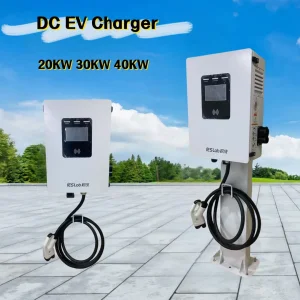
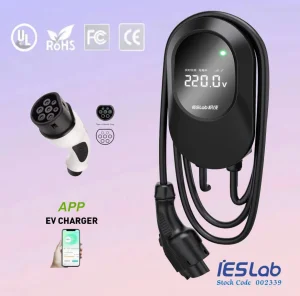
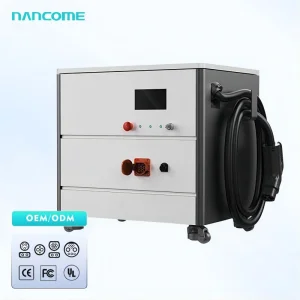
As a forward-looking company, VoltNode actively contributes to the transition toward sustainable energy and green mobility. Our EV charging solutions are designed to meet the rapidly growing demand for electric vehicles across residential, commercial, and public infrastructure applications. We offer a full range of AC and DC chargers, including portable chargers, wall-mounted units, floor-standing stations, and mobile fast-charging systems.
In addition to EV chargers, our strong supply chain and procurement team enable us to meet diverse customer needs across related product categories, including smart charging systems, energy storage solutions, solar integration systems, inverters, and various automotive electronic accessories.
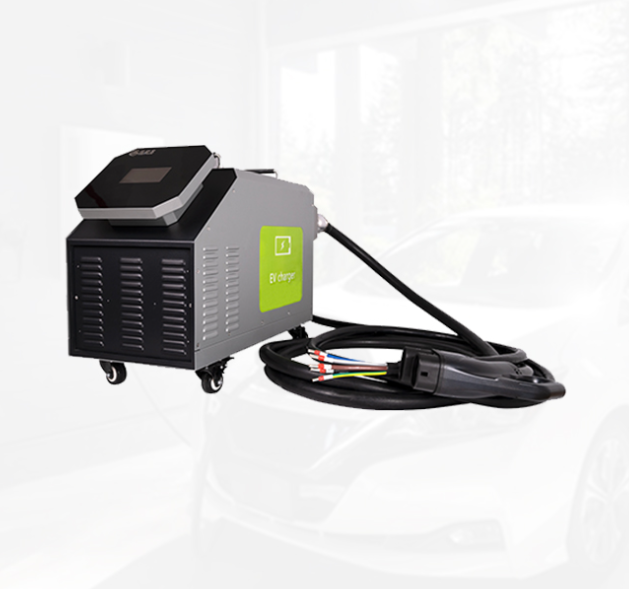
Advanced Production & OEM/ODM Capabilities
We have built a fully integrated production and service system that combines R&D, manufacturing, sales, installation, and operation management. Our facility is equipped with advanced production lines, automated testing equipment, and strict quality control systems to ensure product reliability and consistency. We support OEM/ODM services and provide customized solutions based on client specifications and project requirements.
Our global engineering department specializes in localization support. Whether resolving mechanical clearance challenges on public sidewalks or configuring specialized communication profiles for custom backends, our team delivers reliable engineering support.
Testing, Verification & Certification
Our products comply with international standards and have obtained multiple certifications, including CE, SGS, and test reports issued by national EV charging inspection authorities. These certifications ensure that our products meet safety, performance, and environmental requirements in global markets.
Before leaving the factory, every charging module undergoes a comprehensive testing sequence, including:
- Precise and efficient manufacturing based on customer drawings and specifications.
- Customized design and engineering support for various applications.
- Strict raw material inspections before production begins.
- 100% full-load burn-in testing and electrical safety inspections before shipment.
- Comprehensive after-sales support and ongoing technical guidance.
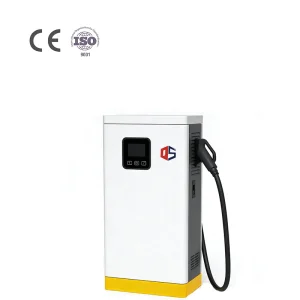
Commercial Piles & Solar Charging Integration
Complete EVSE solutions for workplaces, fleet depots, and public parking networks.

Technical FAQ & Procurement Guidance
Expert answers addressing the critical deployment and selection challenges faced by operators.