VoltNode Charger
Our Flagship Scalable EVSE Solutions
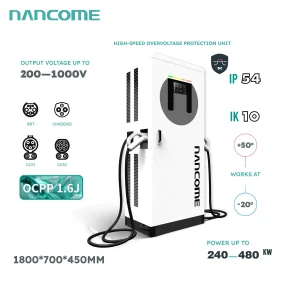
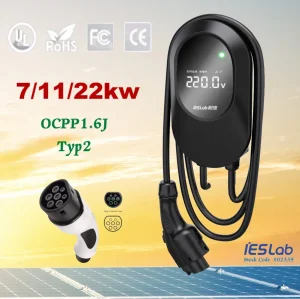
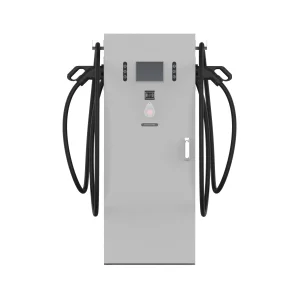

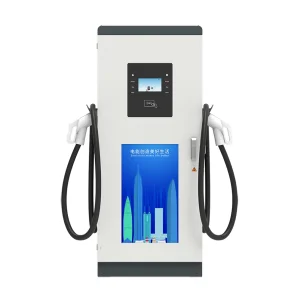
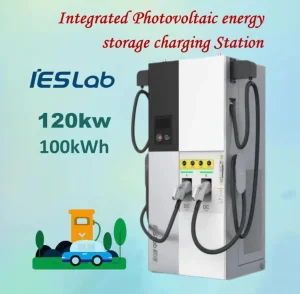
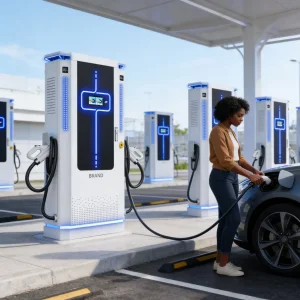
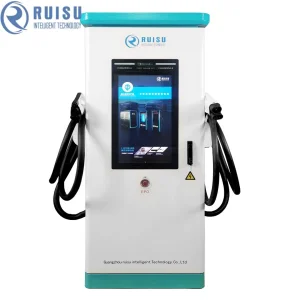
Engineered for Evolution
Dongguan VoltNode Charger Co., Ltd. stands as a premier high-tech enterprise at the forefront of the global electric vehicle (EV) charging revolution. Our core mission is to design, engineer, and manufacture highly scalable electric vehicle supply equipment (EVSE) that bridges the gap between current network requirements and future power demands.
With a footprint spanning over 10,000 square meters of state-of-the-art production space in Dongguan, China, and backed by a seasoned taskforce of over 350 industry specialists, we represent a fully vertical manufacturing model. Our internal capabilities encompass initial conceptual layout, embedded hardware design, OCPP platform integration, rigorous thermal and electric safety testing, and ultimate mass production.
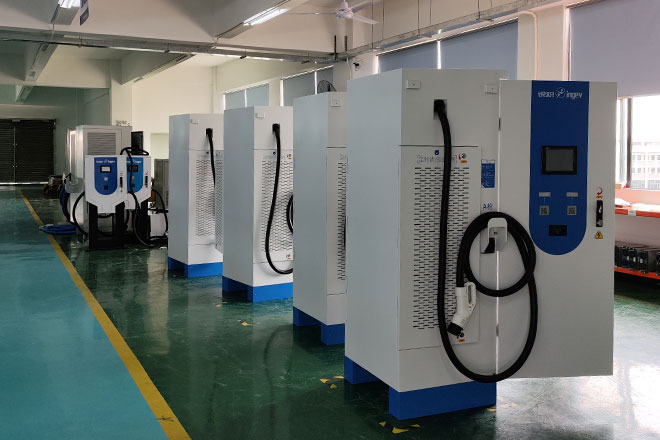
The China Supply Chain & Factory Ecosystem Advantage
Why global operators prioritize factory-direct partnerships in the world's most consolidated EV technology corridor.
Integrated Component Sourcing
Our location in Dongguan places us within a 1-hour radius of the global epicenters for power semiconductor modules, high-reliability contactors, thermal heat sinks, and PCB assembly partners. This localized cluster drastically lowers lead times and engineering feedback loops.
Advanced Prototyping
B2B specifications require fast iterations. We can build custom enclosure designs, integrate localized billing systems, and construct unique dynamic load management modules in weeks, rather than quarters, ensuring your project enters pilot phase ahead of schedule.
Unmatched Economies of Scale
Through massive purchasing power of raw materials (such as raw copper for liquid-cooled cables and grade-A galvanized steels for structures), VoltNode is capable of transferring extreme cost savings directly to global charge point operators (CPOs).
Technological Trends Reshaping B2B EVSE Infrastructure
Staying ahead of grid bottlenecks requires intelligent hardware. Explore the future vectors of EV charging architecture.
Dynamic Load Allocation (DLA)
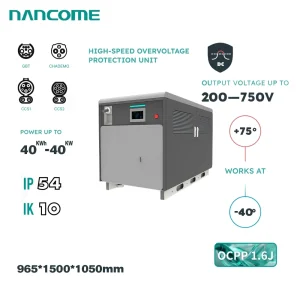
Modern microgrids cannot handle static distribution. Our scalable DC fast cabinets utilize modular 30kW/40kW power blocks that allocate energy in real-time according to the state of charge (SoC) and cell capacity of connected vehicles, preventing site-wide overload.
Vehicle-to-Grid (V2G) & ISO 15118
Bi-directional energy transfer is no longer a future concept. VoltNode systems are standardizing on the ISO 15118 communication protocol, enabling fleet operators to transform parked transport vehicles into distributed grid batteries for peak shaving.
Solar & BESS Integration
Integrating photovoltaic (PV) generation directly with Battery Energy Storage Systems (BESS) and high-speed DC chargers creates self-sustaining nodes. This reduces total utility demand charge penalties, maintaining operational profitability.
Liquid-Cooled Cable Technology
To safely transition chargers into the ultra-fast 360kW+ zone without increasing weight, dynamic heat-dissipation cables are mandatory. VoltNode provides integrated liquid coolant systems that guarantee minimal thermal resistance.
Macro Industry Charging Solutions
Highway Fast Charging Corridors
Requires ruggedized DC charging hubs (240kW - 360kW+) with multi-connector compatibility (CCS2, CHAdeMO, GB/T). Configured for harsh weather resistance (IP55/IK10) and fitted with seamless payment interfaces.
Urban Commercial Centers
Tailored configurations optimized for quick turnover. Employs split-system architecture where compact charging terminals are visible at the bays, and noisy high-power converter units are located back-of-house.
Logistics Depot & Fleet Hubs
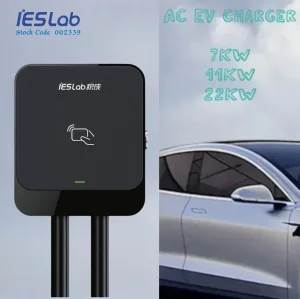
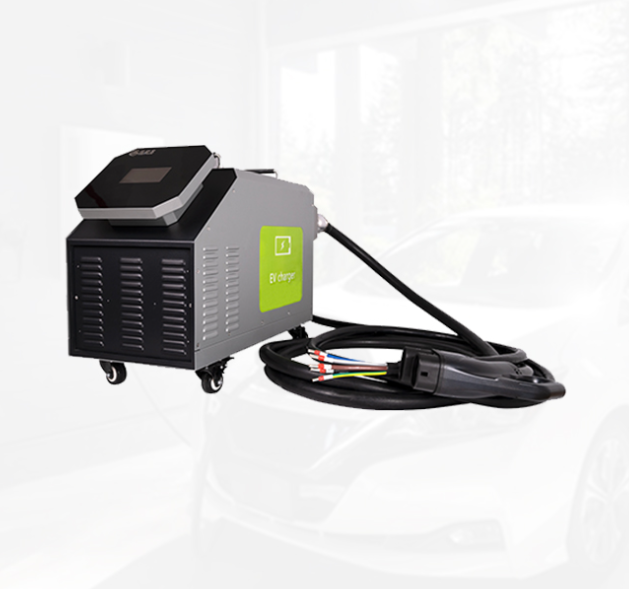
High-efficiency depot designs utilizing overnight slow AC solutions (22kW) combined with emergency mobile DC chargers, monitored via centralized SCADA systems using OCPP 1.6J/2.0.1 JSON APIs.
Strategic OEM/ODM Customization & Validation Workflow
From blueprint conceptualization to certified production lines—how VoltNode guarantees compliance and quality.
1. Consultation
Understanding site topology, grid limit parameters, and aesthetics.
2. Engineering
Developing schematic diagrams, thermal calculations, and enclosure drafts.
3. Firmware
Programming OCPP backend variables and localized payment integrations.
4. Prototyping
Executing standard hardware builds for baseline factory approvals.
5. Certification
Coordination with accredited bodies for CE, SGS, and national standards.
6. Mass Run
Automated assembly, strict burn-in procedures, and pre-shipment tests.
Compliance & Global Access
Expanding infrastructure into new jurisdictions requires complete regulatory alignment. VoltNode ensures that all manufactured hardware carries native, verifiable certifications.
- CE Certification: Fully verified under LVD (Low Voltage Directive) and EMC Directives for safe European integration.
- SGS Quality Management: Validated manufacturing pipelines adhering to international assembly benchmarks.
- National Grid Compatibility: Rigorously tested under localized power limits and interface setups.
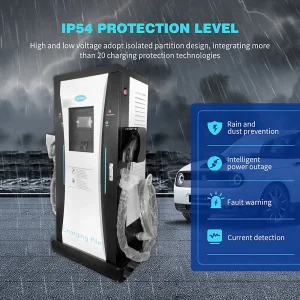
- Ingress & Impact Resistance: Units engineered and certified up to IP54/IP55 and IK10 ratings to withstand severe weather conditions.
B2B Procurement Guidelines for EV Infrastructure
When scaling EVSE infrastructure, procurement officers must balance initial capital expenditure (CAPEX) with long-term operational costs (OPEX). Selecting the correct manufacturing partner requires assessing four critical criteria:
1. Interoperability & Software Freedom
Proprietary hardware blocks limit network operators. Procured hardware should run native, open-source OCPP implementations that allow owners to change their management software without replacing physical cabinets.
2. Modular Power Control
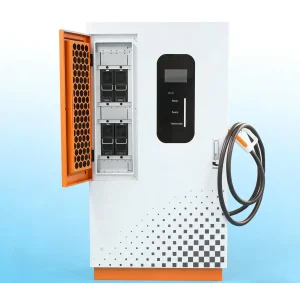
Single-block transformer modules are prone to systemic points of failure. True scalability relies on a decentralized configuration containing multiple hot-swappable sub-modules. If one module trips, the cabinet remains operational at a reduced load.
3. Serviceability Protocols
Infrastructure deployment demands fast field repairs. VoltNode configurations are designed with slide-out rack mounts and pre-wired busbars. Front-door access panels eliminate the need to dismantle enclosures during scheduled maintenance.