 VoltNode Charger
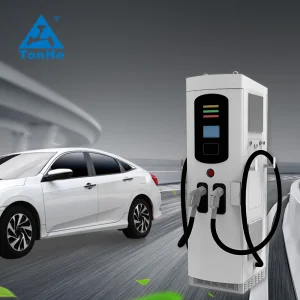
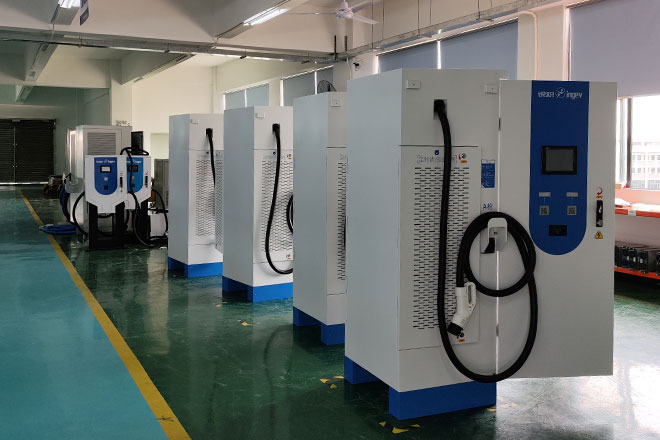
DC Fast AC 200kw EV Car Charger Solution Adapter Type 2 Electric Vehicle Station for Kathmandu Grid
View Technical Specifications →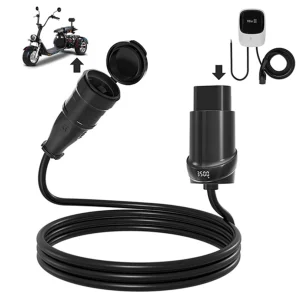
What Type 2 to 13A Socket Adapter Matches Schuko Plug Type F and Gbt Electric Car Charger Needs in Pokhara
View Technical Specifications →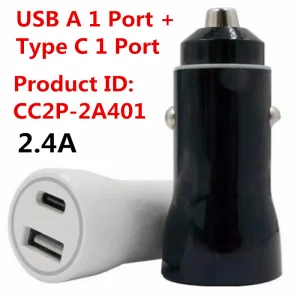
USB A Type C 2.4A Mobile Car Power Adapter Charging Car Charger for Rugged Nepal Highway Commutes
View Technical Specifications →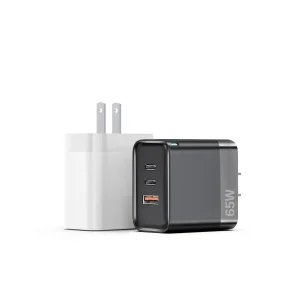
OEM Mobile Phone Charger GaN USB C Charger 100W 67W 65W 40W 33W 20W Power Adapter for Smart Devices
View Technical Specifications →The Federal Democratic Republic of Nepal is undergoing one of the most rapid and government-backed electric vehicle (EV) transitions in South Asia. Spurred by an exponential increase in domestic clean electricity generation—largely driven by massive run-of-the-river hydropower projects such as the 456 MW Upper Tamakoshi scheme—Nepal now generates excess electricity during the wet season. To curtail its heavy reliance on imported fossil fuels, which drain foreign exchange reserves, the Nepalese government has implemented aggressive import tariff incentives for electric vehicles, triggering an influx of battery electric vehicles (BEVs) and plug-in hybrids (PHEVs).
However, this rapid adoption has created an infrastructure challenge. The vehicles imported into Nepal come from diverse regional markets with differing charging port standards:
Type 1 (SAE J1772)
Predominantly found on imported secondary-market vehicles from North America and select Japanese models (e.g., older Nissan Leaf imports).
Type 2 (IEC 62196-2)
The standard adopted by most public chargers deployed by the Nepal Electricity Authority (NEA) and European/Indian OEM dealers.
Interoperability
Without high-grade adapters, vehicle owners face geographic constraints, isolating them from public charging corridors.
To resolve this technical fragmentation, the Type 1 to Type 2 Adapter Charger has emerged as a critical hardware link for fleet operators, car rental firms, tourist resorts, and private owners. Since public infrastructure across critical corridors like the Kathmandu-Pokhara highway and the East-West highway is optimized for Type 2 AC connections, importing reliable adapters that maintain thermal safety under voltage fluctuations and high altitude environments is crucial for business growth in Nepal.
Nepal’s geographical elevation ranges from 59 meters above sea level to the highest peaks on Earth. In high-altitude urban centers like Kathmandu (1,400m) and Namche Bazaar (3,440m), thin air reduces the heat dissipation efficiency of electronic components and decreases the dielectric strength of air, making standard electrical insulation more prone to breakdown or arcing. Additionally, rural grids experience frequent voltage drops (sags) and sudden restoration surges.
VoltNode’s Type 1 to Type 2 Adapters are specifically designed to meet these challenges, featuring high-tolerance copper-alloy pins, reinforced TPU insulation jackets, and integrated thermal sensors that auto-regulate charging rates in response to temperature spikes.
| Engineering Attribute | Standard Charger Spec | VoltNode Extreme Altitude Spec (Nepal Optimized) |
|---|---|---|
| Insulation Resistance | >500MΩ | >1000MΩ (Ensures zero dielectric breakdown up to 4,000m elevation) |
| Enclosure Ingress Rating | IP54 (Basic dust/splash) | IP55 / IP67 (High-performance dust and monsoon rain protection) |
| Voltage Surge Protection | Up to 2kV | Up to 6kV (Protects EV battery management systems from rural grid surges) |
| Operating Temperature | -30°C to +50°C | -40°C to +80°C (Reinforced outer TPU casing remains flexible in sub-zero Himalayan conditions) |
| Contact Pin Material | Nickel-plated brass | Silver-plated copper alloy (Minimizes contact resistance, preventing localized overheating) |
Hospitality & Tourism Fleets
Luxury hotels in Kathmandu and Pokhara rely on mixed-standard vehicle fleets to transport international tourists. Providing seamless compatibility between Type 1 vehicle systems and standard Type 2 hotel charging docks ensures optimal operational readiness.
Corporate Office Complexes
With businesses offering EV charging as an employee benefit, corporate hubs require multi-standard adapters to support diverse employee vehicles without replacing expensive wall-mounted hardware.
Public Sector & Utility Tenders
Municipal departments and utilities like the NEA utilize bulk procurement tenders to supply local distribution depots. Adapters must feature global certifications to pass rigorous compliance audits.
Operating out of our 10,000 m² high-tech facility in Dongguan, China's hardware manufacturing capital, VoltNode combines advanced automation with strict quality management systems. Our workforce of 350+ employees includes an R&D department focused on electrical compatibility and thermal management.
Through automated optical inspection (AOI), precise crimping machines, and high-voltage breakdown testers, every Type 1 to Type 2 adapter undergoes extensive testing prior to dispatch. This process ensures reliability and safety in extreme environments.
Optimized Logistics to Kathmandu: Our logistics partners offer customized routes for bulk cargo. Whether shipping via land-sea cargo through the Port of Kolkata to the Birgunj dry port, or utilizing the direct overland route across the Lhasa-Gyirong border, we handle customs documentation and transit packaging to ensure timely delivery.
Thermal Chambers
Adapters are cycled between -40°C and +85°C to ensure structural and electrical integrity during rapid temperature changes.
High Voltage Testing
Adapters undergo a 2,500V AC dielectric test to verify proper insulation and prevent electrical arcing or leakage.
Mating Durability
Contacts are tested for over 10,000 connection cycles to verify retention forces and electrical performance over time.
Cable Pull Testing
Conducted to ensure strain reliefs withstand mechanical tension from daily use and vehicle movements.
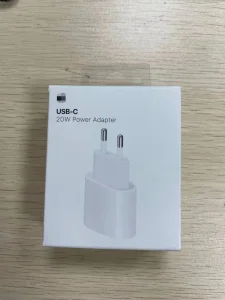
Wholesale Original Type C Charger for Apple 20W Pd Fast Charger for iPhone 15/14 Nepal Retail
View Specifications →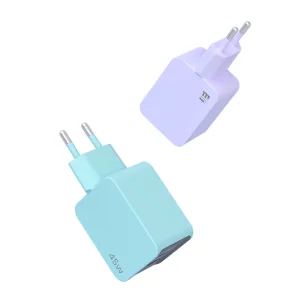
Ue High Quality 45W Chargers Travel Portable EU Plug USB Type-C Pd3.0 Android Phone Adapter
View Specifications →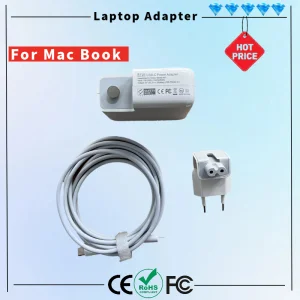
Charger Apple 61W/67W USB-C Charger Power Adapter MacBook PRO Type-C Charger
View Specifications →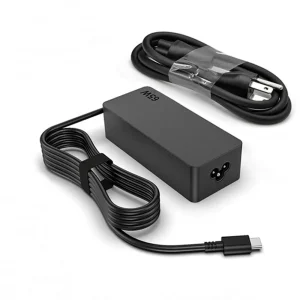
Original Quality Lenovo 65W 20V 3.25A Type USB C Portable Laptop Battery Charger
View Specifications →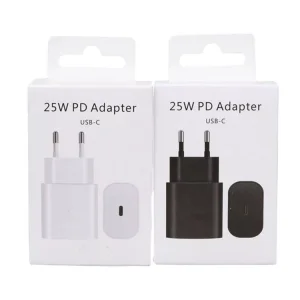
in Stock Plug Block 25W USB C Power Adapter Type C Super Fast Wall Charger
View Specifications →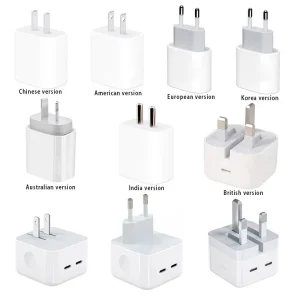
Cell Phone USB Cable Charger 20W Pd Charger Adapter Type C Charger Wall Charger
View Specifications →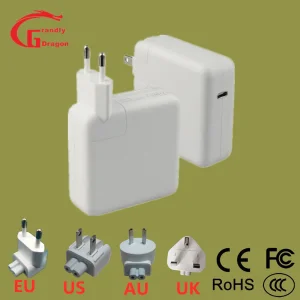
Factory USB C 61W Laptop Power Adapter EU Us UK Au Plug Pd3.0 QC3.0 1.8m DC Cable
View Specifications →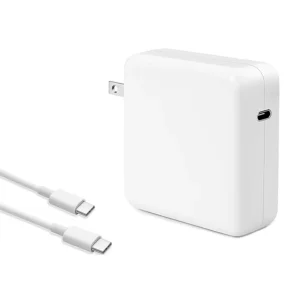
Small MOQ Apple MacBook 30W 61W 87W 96W 140W Type USB C Computer Accessories
View Specifications →- Overland Route: Shipped from our Dongguan facility via Lhasa to the Gyirong (Keyrung) border crossing, and directly into Kathmandu. This is the fastest route for land cargo.
- Sea-Land Transit: Shipped via ocean freight to the Port of Kolkata, India, and transported by rail/road to the Birgunj dry port in Nepal. This is highly cost-effective for large container orders.
Begin Your Sourcing Inquiry
Partner with Dongguan VoltNode Charger Co., Ltd. to secure high-performance, certified charging hardware optimized for Nepal's developing EV market.
Send Inquiry Now