VoltNode Charger
Enterprise-Grade Charging Hardware
Engineered for durability, dynamic load sharing, and universal OCPP network integration across educational and commercial campuses.
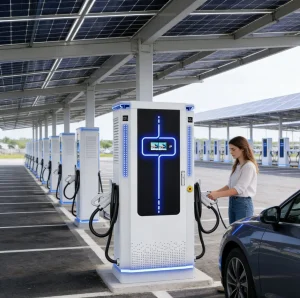
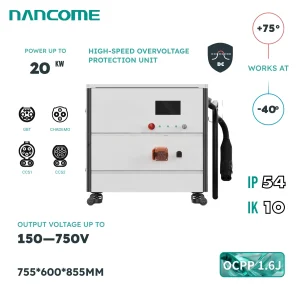
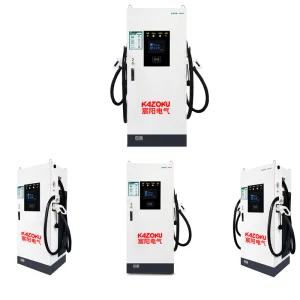
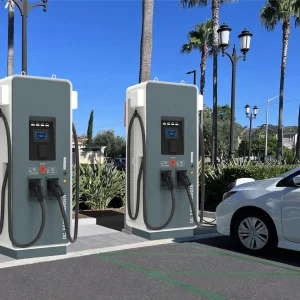

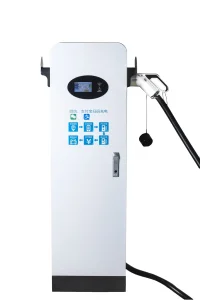
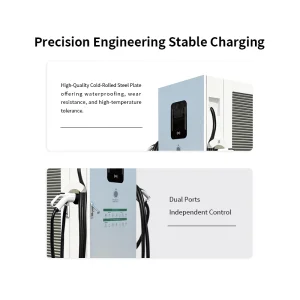
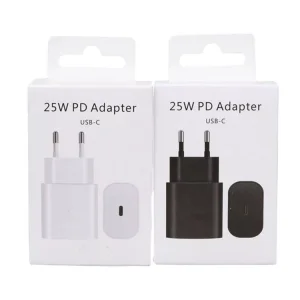
University Electrification: Structuring High-Density Campus Charging Networks
Modern higher education institutions are hubs of environmental innovation and dense vehicle activity. Electrifying university campuses involves managing diverse user intents, ranging from commuter students parking for short lectures to staff members requiring reliable overnight or full-shift charging.
At Dongguan VoltNode Charger Co., Ltd., we serve as a premier strategic OEM partner for universities, commercial integrators, and international distributors. Our systems integrate advanced grid balancing protocols, flexible open-standards APIs (OCPP 1.6J/2.0.1), and robust mechanical builds designed to withstand high-occupancy usage.
- Optimized Infrastructure: Scalable dynamic power balancing to protect campus microgrids.
- Multi-User Authentication: Seamless RFID, mobile app, and campus payment integrations.
- Future-Proof Protocols: Full compliance with ISO 15118 for "Plug & Charge" compatibility.
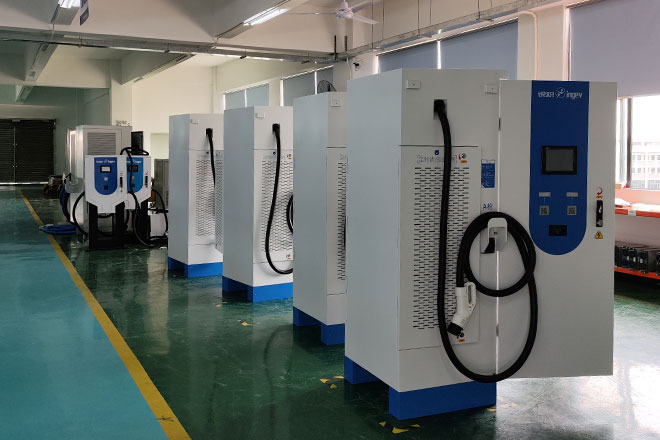
About Dongguan VoltNode Charger Co., Ltd.
A global force in high-performance EV charging engineering, manufacturing, and support infrastructure.
VoltNode is a leading high-tech enterprise specializing in electric vehicle (EV) charging hardware and energy-routing accessories. We design, customize, and export robust AC and DC charging systems globally, delivering streamlined operations and optimized power routing for public spaces, universities, and commercial developments.
Advanced Manufacturing
Operates a modern, vertically-integrated facility covering over 10,000 m² in Dongguan, utilizing automated production paths and state-of-the-art testing instrumentation.
Professional Team
Over 350 skilled professionals spanning R&D, electric engineering, strict QC, structural design, global logistics, and ongoing field maintenance assistance.
Full Compliance
Holding extensive certifications including CE, SGS, and national EV charging authority testing reports. Products comply fully with international grid standardizations.
Why Partner with a China OEM EV Charger Factory?
Analyzing the cost, speed, supply chain, and engineering advantages of Dongguan cluster ecosystems.
Unmatched Supply Chain Cohesion
Located in Dongguan, the hardware capital of South China, VoltNode directly sources power semiconductors, magnetic transformers, outdoor-grade steel cabinetry, and firmware control boards. This highly localized ecosystem reduces lead times and limits shipping delays, giving global partners a critical time-to-market advantage.
Cost-Effective Customization (OEM/ODM)
Our localized engineering team allows us to implement highly customized designs—including private labeling, custom payment integrations, distinct chassis colors, and specific plug cable lengths—without inflated engineering overhead. Clients receive tailored configurations at factory-scale price points.
High R&D Agility & Rapid Iteration
The pace of electric vehicle charging technology (e.g., transition from OCPP 1.6 to OCPP 2.0.1, V2G, bi-directional energy transfer) requires instant adaptivity. VoltNode’s in-house R&D group works directly alongside our manufacturing line, allowing us to roll out firmware updates, hardware structural improvements, and efficiency tweaks rapidly.
Macro Infrastructure Solutions for University Environments
Balancing local power distribution, variable user bases, and multi-tenant accounting systems.
Managing High-Density Energy Demands
University campus grids are often complex, balancing power between heavy research equipment, high-occupancy residential halls, and public facilities. Introducing multiple fast charging stations can put stress on these localized grids.
VoltNode addresses this through smart, software-driven dynamic load management. By monitoring real-time power draws, our system automatically throttles energy flow to connected vehicles during peak campus hours, scaling output back up as building energy demands decrease. This avoids costly peak demand charges and protects grid transformer capacity.
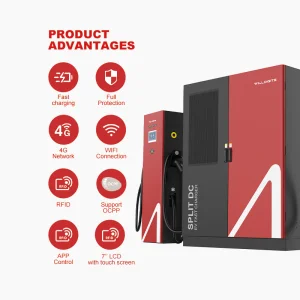
Our split-charging architecture separates the heavy power conversion electronics from the user-facing dispensers. This setup reduces ambient noise near classrooms, improves safety, and allows for modular scaling of dispensers as campus EV adoption increases.
Integration with Renewable Generation
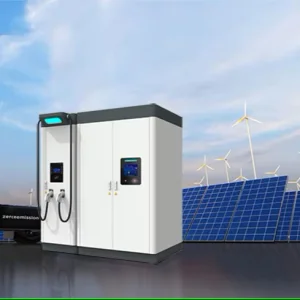
Many universities seek to power their EV fleets with clean energy. VoltNode's solar-integrated charging stations combine solar arrays, battery storage, and EV charging piles into a single cohesive network.
These systems allow campuses to store excess solar energy generated during the day and discharge it into vehicles at night. By reducing reliance on the grid during peak hours, this integration aligns with institutional sustainability goals and provides reliable backup power during localized outages.
Localized Campus Charging Scenarios
Tailoring charger distribution to fit different campus parking and operational behaviors.
1. Dormitories & Residential Zones
Intent: Long-term, overnight charging.
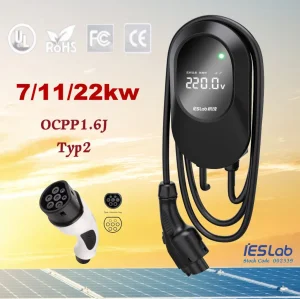
Hardware Recommendations: 7kW to 22kW AC Wallboxes or Floor-standing chargers with integrated OCPP for off-peak scheduling, optimizing overnight energy consumption.
2. Faculty Parking Areas
Intent: Medium-term, mid-day charging (4–8 hours).
Hardware Recommendations: Dual-port AC chargers or low-power DC systems (20kW–30kW) featuring RFID access control restricted to authorized campus staff.
3. Visitor & Commercial Hubs
Intent: Quick, on-the-go top-ups (30–60 minutes).
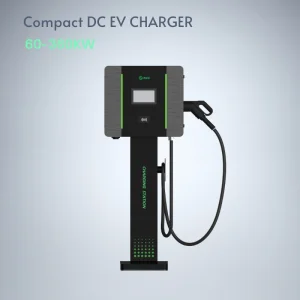
Hardware Recommendations: High-performance 120kW to 240kW DC Fast Chargers with integrated credit card terminals, QR code readers, and high-visibility digital displays.
Addressing Global Procurement Challenges
Evaluating the essential logistics, technical compliance, and reliability criteria for international buyers.
Global Compliance & Certifications
Procuring charging equipment for municipal or educational institutions requires strict adherence to safety and performance standards. VoltNode ensures all components comply with international requirements, including CE, SGS, and national EV charging authority tests. Our products are built to meet IP54/IP55 water and dust resistance, making them durable enough for challenging outdoor environments.
Software Integration and Interoperability
Modern charging networks rely on software to manage billing, schedule charging cycles, and track usage. Our systems support OCPP 1.6J and OCPP 2.0.1 protocols, ensuring compatibility with major global backend networks. Whether you use pre-existing software platforms or require custom integration, our units fit smoothly into your network architecture.
VoltNode Strategic Services
- Precise Manufacturing: High-quality production executed to exact technical drawings and client specifications.
- Custom Engineering Support: Expert adaptation of brackets, cable lengths, and enclosures for unique local environments.
- Thorough QC Processes: Strict material checks, automated production testing, and detailed pre-shipment inspections.
- Responsive Support: Comprehensive documentation, installation guidelines, and remote technical assistance.
Key Trends in EV Charging Technology
Insights into the future of campus mobility and grid integration.
Bidirectional Power (V2G)
Bi-directional charging allows parked vehicles to return power to the campus grid during peak hours, creating a decentralized battery reserve that supports grid stability.
ISO 15118 Integration
Implementing Plug & Charge technology eliminates the need for separate apps or card swipes, initiating secure sessions automatically when the cable is connected.
Dynamic Phase Balancing
Real-time monitoring balances single-phase and three-phase loads across the installation, preventing voltage imbalances and optimizing energy usage.
AI-Driven Energy Routing
Machine learning algorithms analyze historic parking data and local weather forecasts to optimize solar charging schedules and predict energy needs.
Our Production and Quality Control Center
Equipped with state-of-the-art facilities to ensure product reliability and consistency.

Frequently Asked Questions
Find answers to common questions about campus EV charging deployment and procurement.
Complete Charging System Hardware
Explore our full line of commercial charging units, solar accessories, and power adapters.