VoltNode Charger
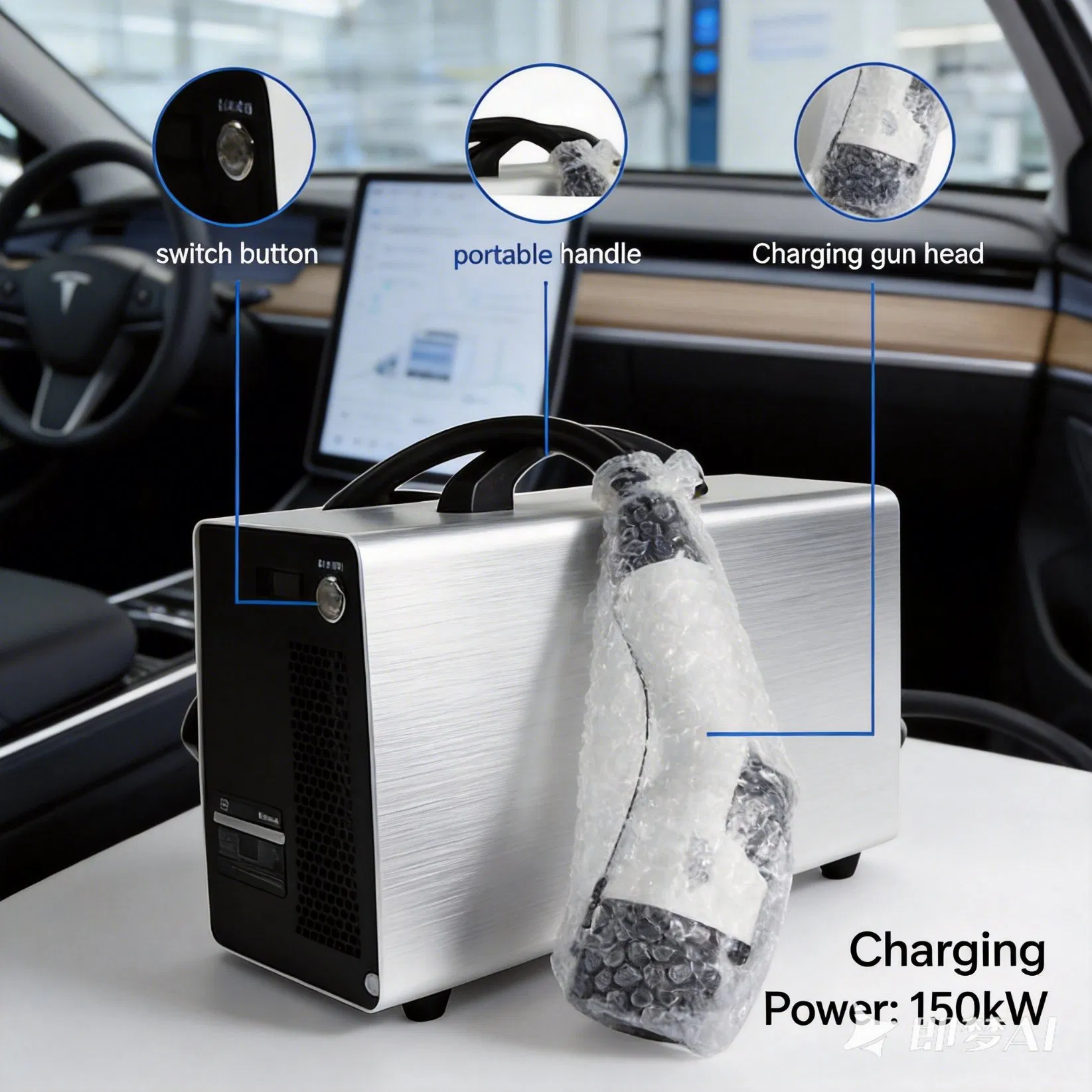
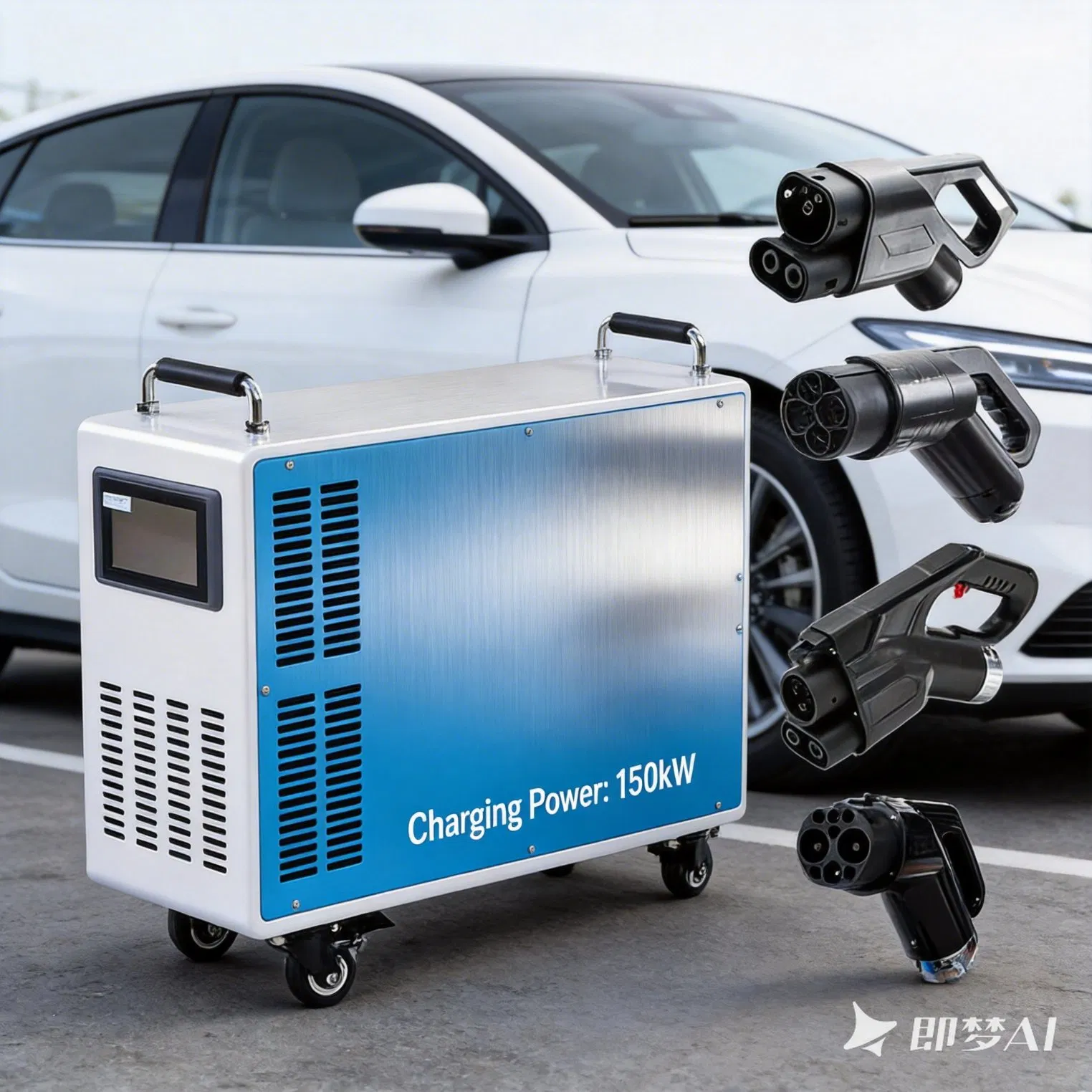
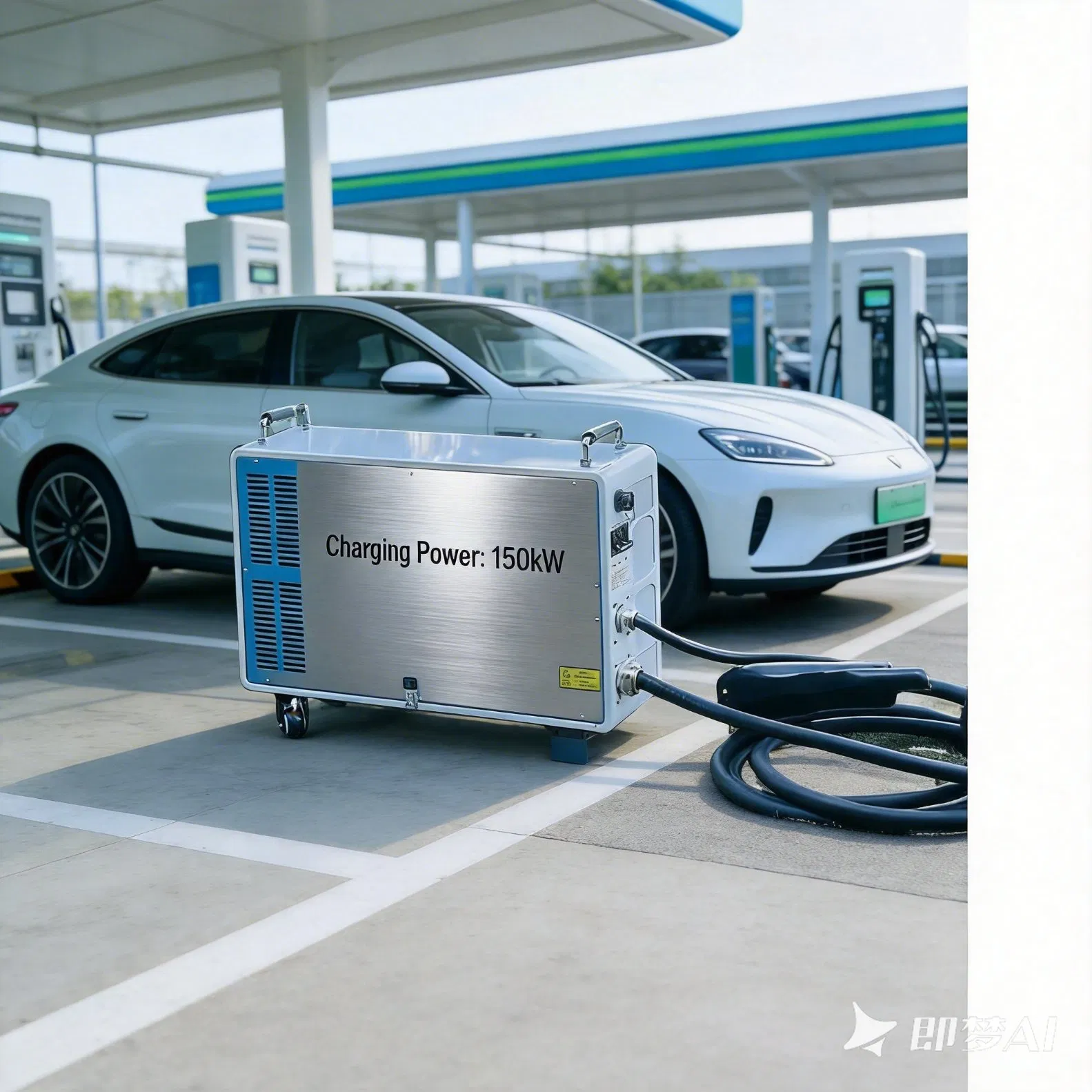
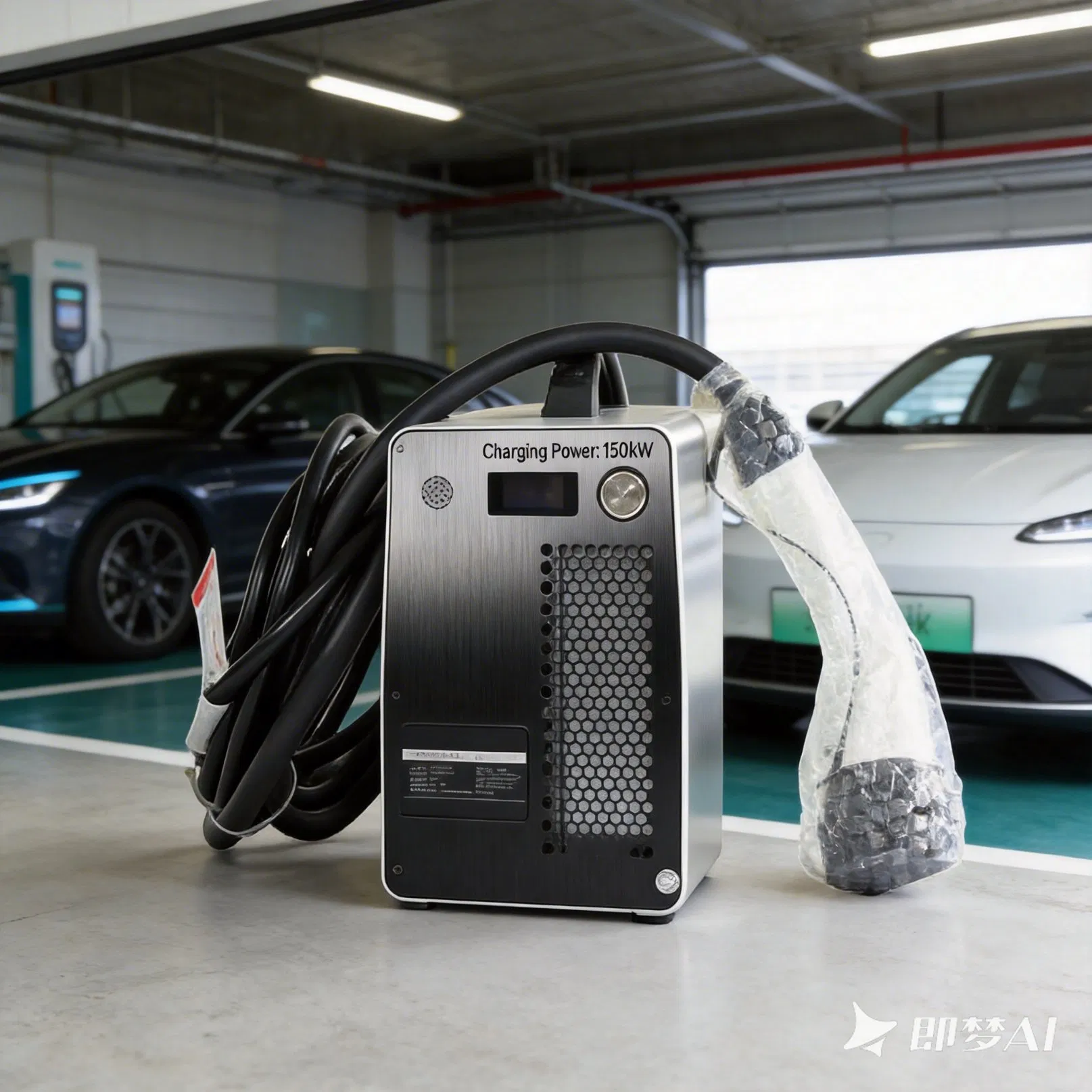
1 / 5
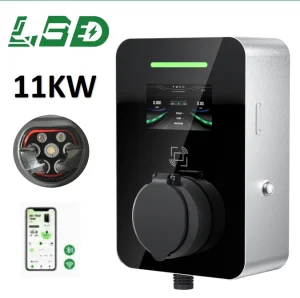
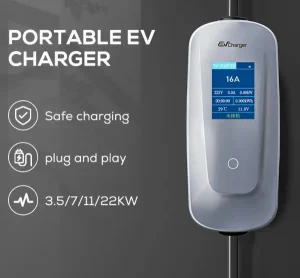
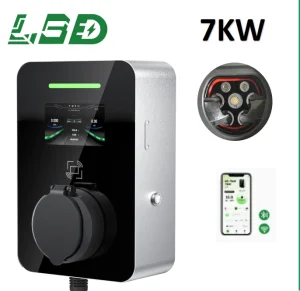
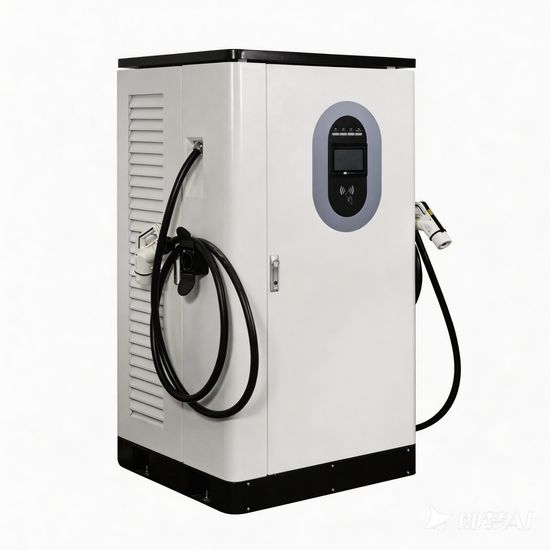
11kw Single Phase Smart EV Charger with WiFi Control
Product Description
Model NO.
11kw ev charger
Output Power
501 - 1000W
Grid Type
Grid Inverter
Output Type
Single
Circuit Topologies
Push-Pull Type
Nature of Wave
Sine Wave Inverter
Input Voltage
70~280VAC
Output Voltage
220VAC-240VAC
Efficiency
93%
Warranty
Three Years
Application
Home, Industrial, Commercial
Origin
China
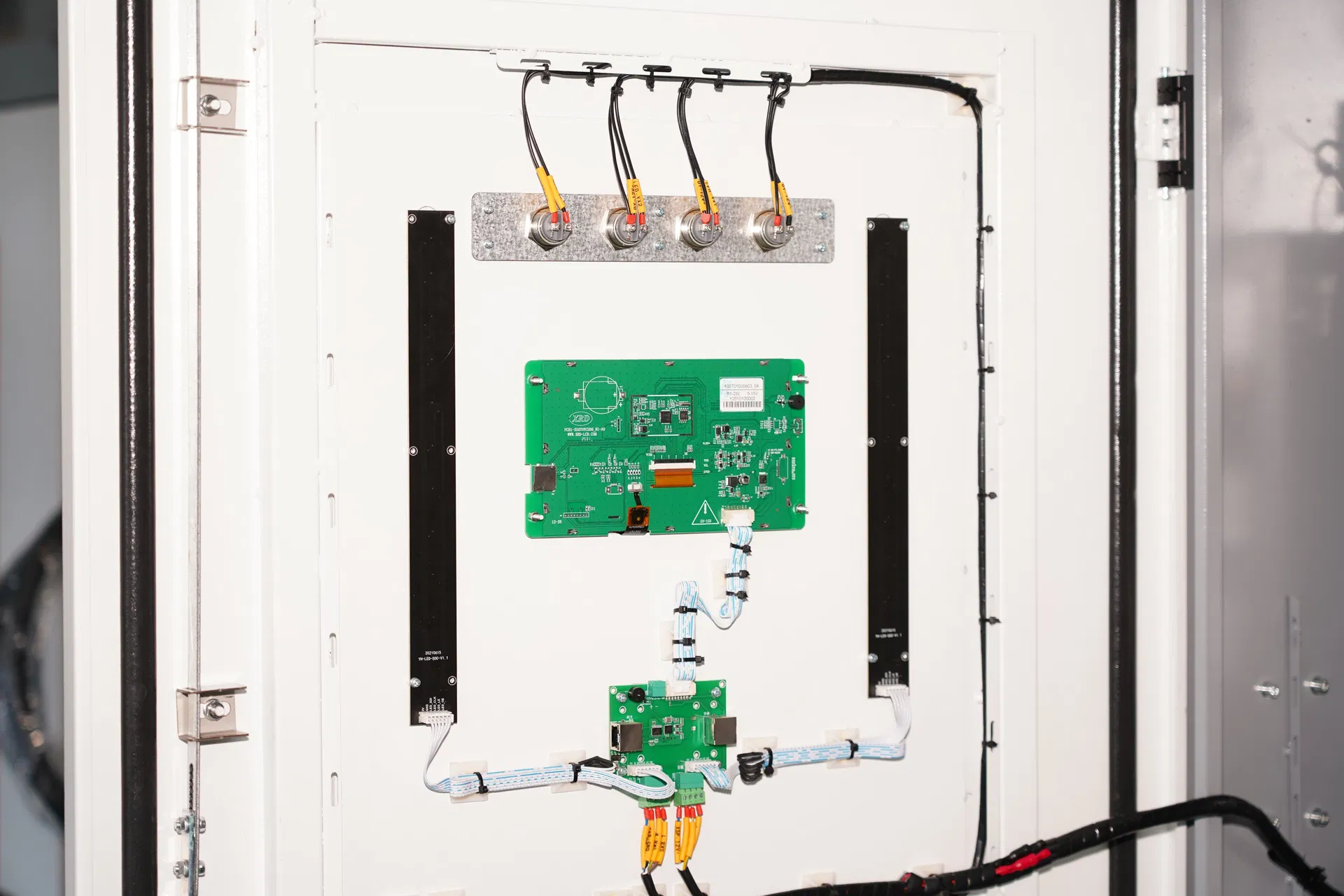
| Category | Details |
|---|---|
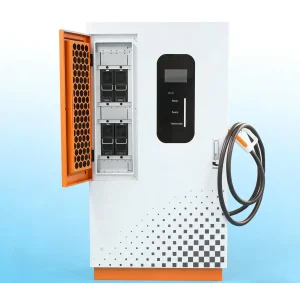
| Model & Rated Power | BD-EVPD2-60/240 Rated Power: 160kW / 240kW |
| Electrical I/O | Input: AC 380V±15%, 45-60Hz, 0-320A / 0-480A Output: DC200-1000V, 5-540A / 5-800A |
| Performance Metrics | Efficiency: >95% Power Factor: 0.9950 (above 50% load) |
| Installation & Dimensions | Routing: Down in and out Product Size: 820×60×1800mm Cable Length: 5m |
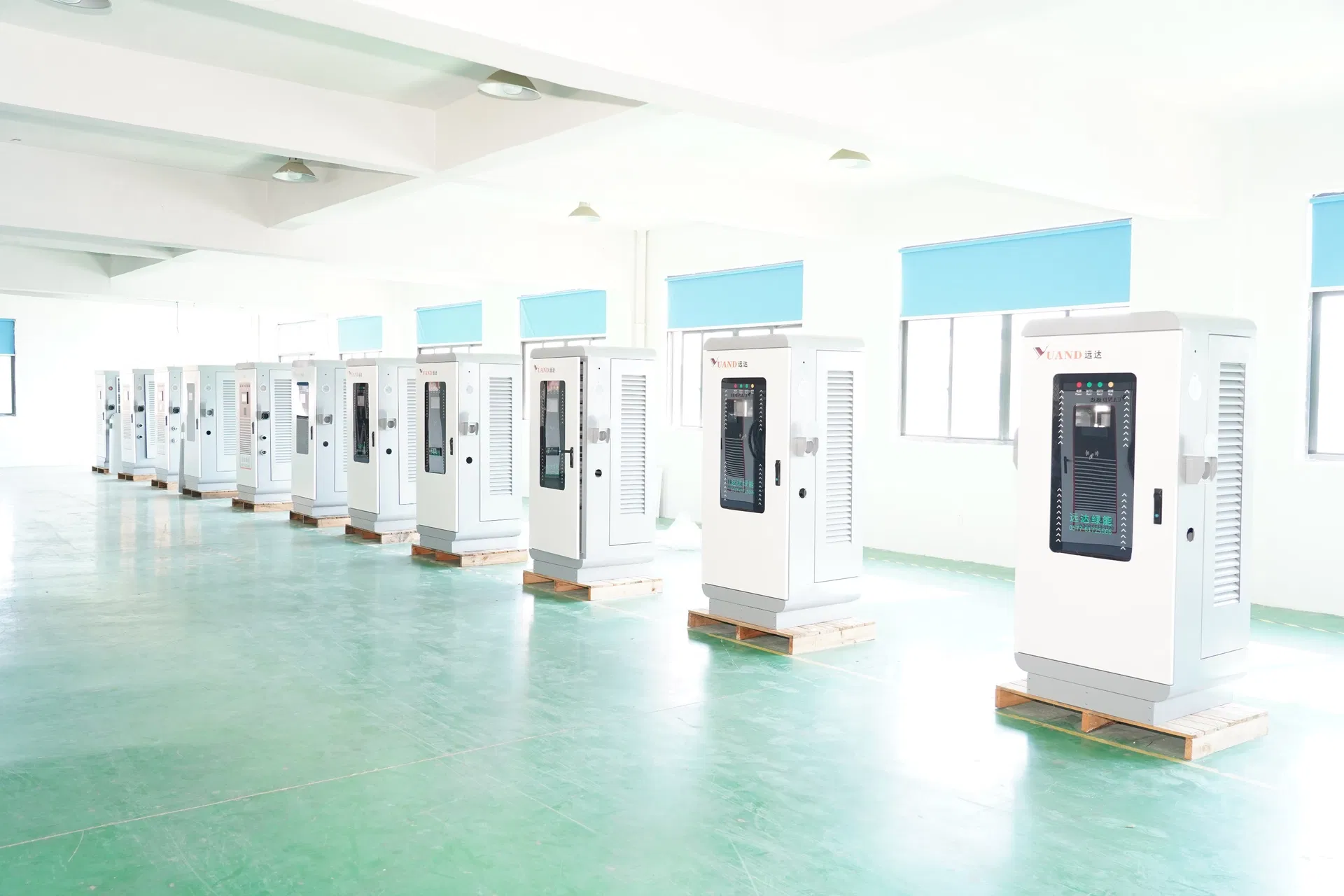
The company focuses on the R&D and sales of civil charging equipment, with rich experience in the implementation of community charging projects. The production base has passed the ISO9001 Quality Management System Certification, with an annual capacity of 100,000 units. It focuses on promoting cost-effective civil charging piles. The overseas market covers emerging markets such as Southeast Asia and Africa, cooperating with local real estate developers and property companies.
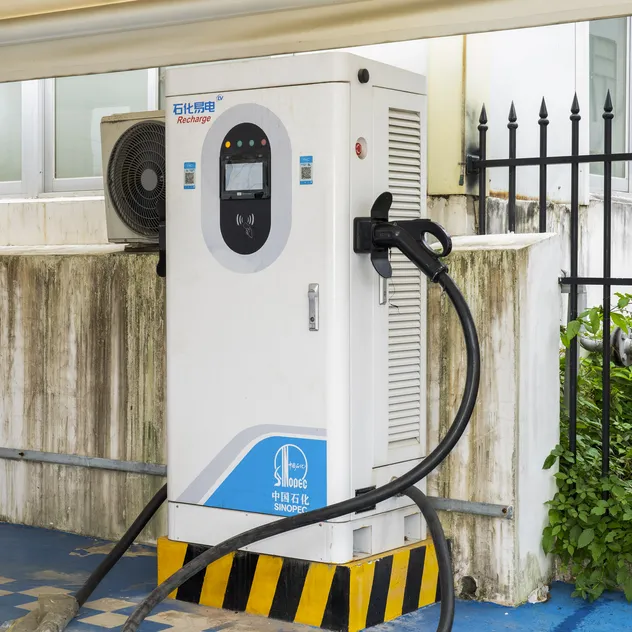
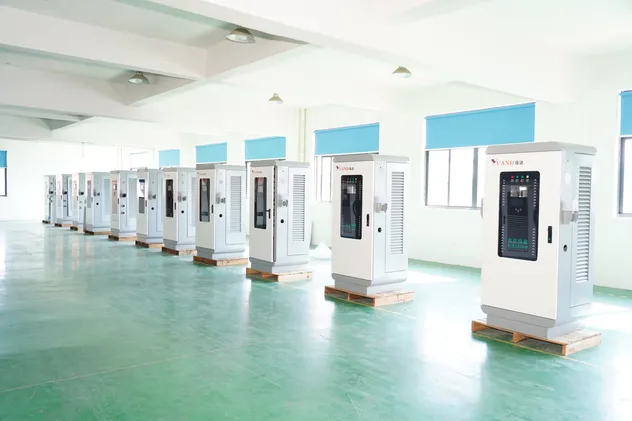
What is an electric vehicle (EV) charging pile and how does it work?
An electric vehicle charging pile is a dedicated electrical device that supplies electrical energy to recharge the batteries of electric vehicles. It works by connecting to the grid power supply, regulating the input voltage and current according to the EV's battery management system (BMS) requirements, and delivering the appropriate direct current (DC) or alternating current (AC) to the vehicle's battery pack.
What is the difference between AC charging piles and DC fast charging piles?
AC charging piles deliver alternating current, with lower power (typically 3.6kW–22kW) and slower charging speeds, ideal for home or office. DC fast charging piles deliver direct current, with higher power (50kW–480kW) and rapid charging speeds, suitable for public scenarios like highway service areas where quick energy replenishment is needed.
How do I choose the right power rating for an EV charging pile?
First, check the maximum charging power supported by your EV. For home use, a 7kW–11kW AC pile is sufficient for most passenger EVs. For public fast charging stations, calculate based on target charging time: for example, a 60kWh battery requires a 120kW DC pile to charge from 20% to 80% in 30 minutes.
Is the 11kW EV charger compatible with all electric vehicles?
Most modern electric vehicles support Type 2 (IEC 62196) or Type 1 (SAE J1772) AC charging. An 11kW charger typically uses a three-phase connection. If your vehicle supports three-phase charging, it will charge at the full 11kW; if it only supports single-phase, it will charge at a lower rate (usually 3.7kW).
Can this charger be installed outdoors?
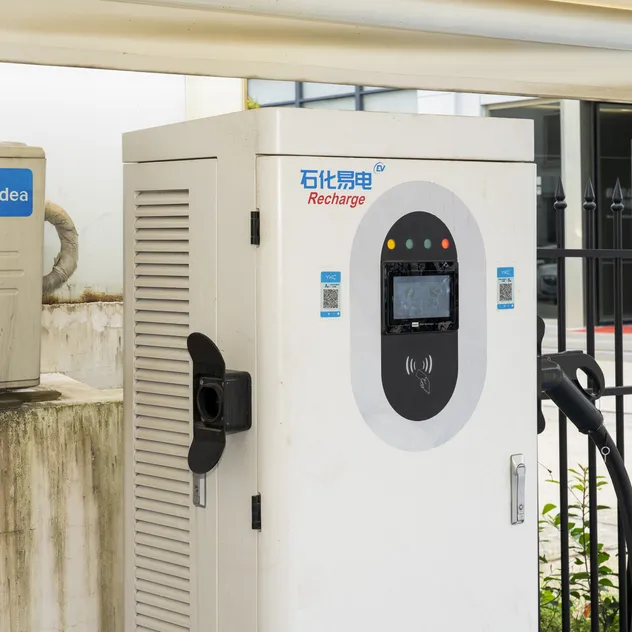
Yes, our EV chargers are designed with high IP ratings (typically IP54 or IP65), making them resistant to dust and water. They are suitable for both indoor garage installations and outdoor parking lot environments.
Does the charger support WiFi or App control?
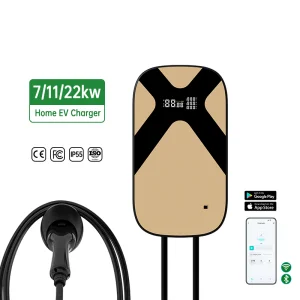
Yes, the smart versions of our 11kW chargers come with WiFi connectivity, allowing users to monitor charging status, schedule charging times during off-peak hours, and view energy consumption through a dedicated mobile application.