Are you puzzled by the question, "Why is my portable EV charger charging slowly?" Many electric vehicle (EV) owners face this frustrating situation. Understanding the reasons behind slow charging can save both time and energy.
Several factors could contribute to the sluggish charging of your portable charger. First, the power source might be insufficient for the charger’s requirements. Plugging into a standard household outlet often yields slower charge times compared to a dedicated EV charging station. Additionally, environmental conditions, such as temperature extremes, can affect charging efficiency.
Consider the quality and condition of your charging cable and connector. Worn or damaged cables can lead to energy loss during the charging process. Regular maintenance and inspections are crucial to avoid unexpected delays. It’s essential to reflect on these aspects before attributing slow charging solely to the charger itself. Your approach could unlock faster charging times, ensuring a more efficient electric vehicle experience.
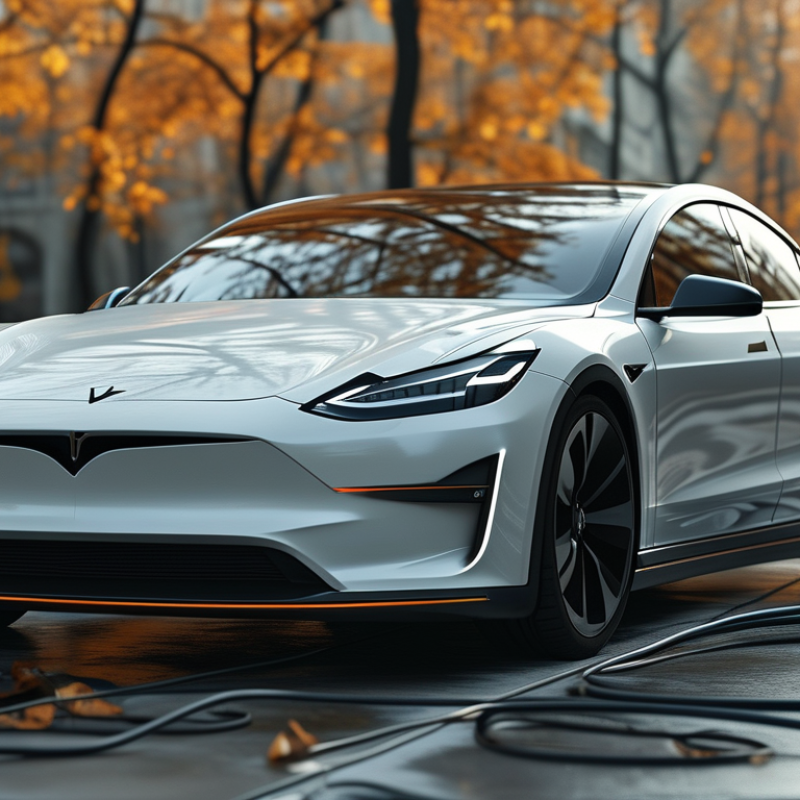
Portable EV chargers are essential for electric vehicle owners. They offer convenience, allowing drivers to charge their cars away from home. However, understanding their functionality is crucial for effective use. A typical portable charger operates on a standard outlet, supplying 120V or 240V depending on the model. This voltage directly impacts the charging speed. With a 120V outlet, it may take up to 20 hours to fully charge an EV. In contrast, a 240V outlet can reduce that time significantly.
Data from industry reports show that many users face slow charging due to improper use or equipment limitations. For instance, chargers rated under 3.3 kW often provide insufficient power for larger EV batteries. Incorrect connections and damaged cords can further exacerbate charging issues. Studies indicate that nearly 30% of users experience decreased performance because of these common mistakes. It's vital for EV owners to regularly inspect their chargers. Even minor wear can lead to inefficiencies.
Ultimately, awareness of portability features and limitations will enhance user experience. Knowledge about charging time and connection types influences practical decisions. Users should educate themselves about these aspects. Misconceptions about the charger’s capability can lead to frustration. It's important to continually reflect on usage habits and charging strategies. Recognizing and addressing these factors can vastly improve performance.
Many electric vehicle (EV) owners face the frustration of slow charging speeds with portable chargers. Understanding the common factors that contribute to this issue is crucial for improving efficiency. A key reason might be the power source you are using. Standard household outlets often provide slower charging than dedicated EV charging stations. If your charger is plugged into a circuit with other devices, the power may be divided, leading to slower rates.
Another factor could be the specifications of the charger itself. Not all portable chargers have the same output capacity. Some chargers may lag because they are not designed for higher voltage cars. If your vehicle requires more power, a charger with lower specifications will struggle. Checking both the charger and vehicle compatibility is essential.
When your portable EV charger is not performing optimally, understanding the underlying issues is crucial. According to a study by the Electric Vehicle Association, nearly 30% of EV users report slow charging as a major concern. Identifying the right cause can help enhance your charging experience significantly.
Check the power source. Not all outlets provide the same voltage. Using a weaker outlet can slow down the charging process. Plugging into a standard household outlet yields around 120 volts, while a 240-volt outlet may charge much faster. Test different outlets to see if charging improves.
Inspect the charging cable. Look for wear or internal damage, as a damaged cable can limit power flow, causing slower charging speeds. Look for frayed wires or loose connections. Regular maintenance, like cleaning the charging port, can prevent issues too.
Lastly, understand ambient conditions. Extreme temperatures can impact charging efficiency. For instance, cold weather reduces battery performance. Keep your EV charger and vehicle in a moderate climate where possible. Small changes can make a big difference in your charging experience.
Maintaining a portable EV charger is essential for optimal performance. One key practice is to keep the charging cables clean and free from debris. Dirty connectors can lead to inefficient charging or even damage. Regularly inspect your charger for wear and tear, paying attention to kinks in the cables or frayed ends. These issues may seem small, but they can significantly affect charging speed.
Additionally, always store your charger in a cool, dry place. Extreme temperatures can impact battery performance. Avoid leaving the charger in direct sunlight or in a hot vehicle, as this can lead to malfunctions. User habits also play a crucial role. Charging in high-demand conditions, such as during peak hours, may result in slower speeds. Understanding your environment can help you optimize the use of your charger.
Evaluate your charging habits continually. Are you using a compatible outlet? Check the power source to ensure it is functioning properly. Even the best chargers can underperform if plugged into an incompatible outlet. Observing these details can lead to significant improvements.
| Issue | Description | Tips to Fix It |
|---|---|---|
| Low Power Supply | Charger not connected to a high-amperage outlet. | Use a dedicated circuit or choose a higher-rated outlet. |
| Faulty Charger | Charger may have internal faults or wear. | Test with another vehicle or replace the charger. |
| Battery Health | Old or degraded battery impacts charging speed. | Check battery health and consider replacement if needed. |
| Temperature Effects | Extreme temperatures can limit charging efficiency. | Charge in moderate weather conditions. |
| Cable Damage | Worn cables can cause power loss during charging. | Inspect cables regularly and replace if damaged. |
| Connection Issues | Loose or dirty connections may hinder charging. | Ensure connections are clean and secure before charging. |
When it comes to charging electric vehicles (EVs), selecting the right charger and adapter can make a significant difference. Many users overlook this crucial step. A suitable charger ensures your vehicle gets the correct voltage and current. This is essential for efficient charging and longevity of the battery.
Consider the power output of your charger. Many options range from Level 1 chargers, which use standard outlets, to faster Level 2 options. It’s tempting to go for the fastest charger available. However, ensure it matches your vehicle's specifications. Using an incompatible charger could lead to damage. Not all adapters support the same amperage, which can also contribute to slow charging.
Moreover, factors like cable length and connector type matter, too. A longer cable may lead to energy loss, slowing charge times. Reflect on how you use your EV. Choose an adapter that fits your lifestyle and charging routine. It's easy to overlook these details, but understanding them can improve your experience. Remember, not all chargers are created equal. Small mistakes in selection can lead to frustration on the road.
: A portable EV charger allows electric vehicle owners to charge their cars away from home.
A 120V outlet may take up to 20 hours to charge an EV. A 240V outlet charges much faster.
Slow charging often results from improper use or using chargers with insufficient power for larger batteries.
Regularly inspect your charger for wear. Minor damage can lead to decreased efficiency.
Ensure the power output matches your vehicle's specifications to avoid potential damage.
Longer cables can lead to energy loss, which slows down charging times.
Yes, using the wrong charger can damage your vehicle and hinder charging efficiency.
Consider your lifestyle and charging routine when selecting an adapter type.
Educate yourself about charging times, connection types, and regular equipment inspections.
Avoid improper connections and using low-rated chargers, which can cause frustration on the road.
The article "Why is My Portable EV Charger Charging Slowly? Tips to Fix It" delves into the various aspects of portable electric vehicle (EV) chargers, exploring their functionality and the reasons behind slow charging speeds. Key factors such as inadequate power supply, compatibility issues with the vehicle, and environmental conditions can all significantly affect charging performance.
To effectively diagnose and resolve these issues, the article provides practical tips and encourages users to adopt best practices for maintaining their chargers to ensure optimal functionality. Additionally, it emphasizes the importance of selecting the right charger and adapter tailored to specific EV needs, which can ultimately enhance the charging experience and alleviate concerns related to slow charging times. Understanding these elements will help users answer the question, "Why is my portable EV charger charging slowly?" with more confidence.

VoltNode Charger