Why Does a Floor Mounted EV Charger Need Regular Maintenance?

Time:2026-11-01 Author:Madeline
0%

A floor-mounted EV charger works outdoors or in busy parking areas, where dust, rain, vehicle movement, and daily handling can gradually affect its condition. Regular maintenance helps keep charging dependable and can reveal small problems before they interrupt use. A loose cable, cracked connector housing, or blocked ventilation opening may seem minor. It may not stay minor.

What maintenance does a floor-mounted charging pile require? The answer depends on its design, location, usage, and manufacturer’s instructions. In general, routine checks include cleaning the housing with suitable materials, inspecting cables and connectors for wear, and confirming that the mounting base remains stable. Operators should also look for moisture, corrosion, impact marks, unusual heat, or warning messages. Keep the surrounding area clear, too; a charger should not be hidden behind stored equipment or exposed to repeated vehicle strikes.

Some checks are simple, but internal electrical work is different. It should be handled by qualified service personnel following the product documentation and relevant safety procedures. Keep service records with dates, observations, and repairs. These notes can help identify recurring faults, though they are only useful when someone reviews them. There is no single maintenance schedule for every charger. That is easy to overlook. A site with heavy daily use may need closer attention than a quiet private parking space. This guide explains practical inspection habits, warning signs, and why consistent care supports safer, more reliable charging over time.
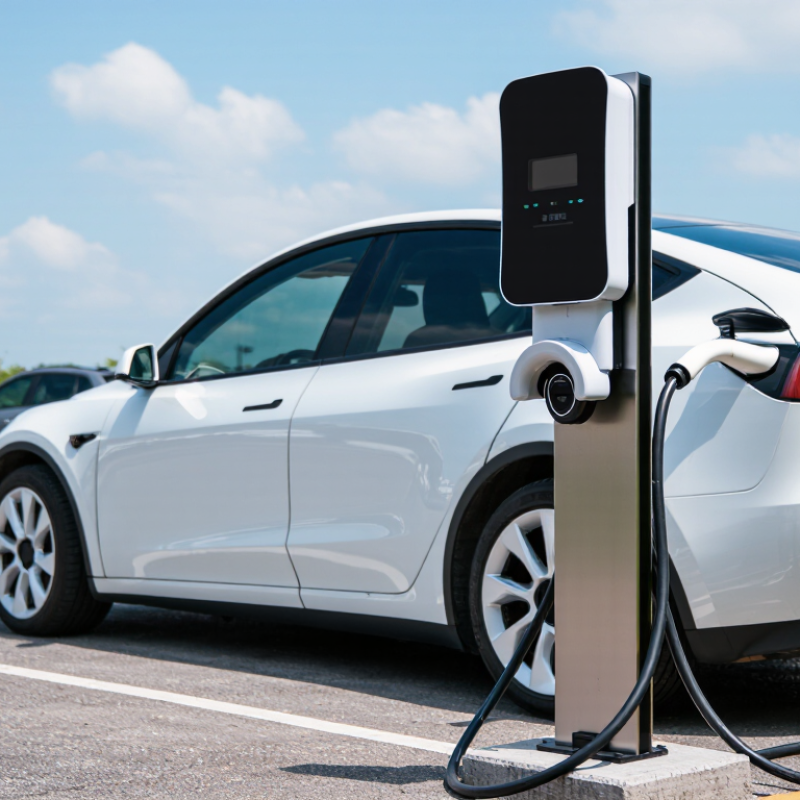
Why Does a Floor Mounted EV Charger Need Regular Maintenance?

How a Floor-Mounted EV Charger Works

A floor-mounted EV charger is more than a socket on a post. In a typical AC unit, the charger checks communication with the vehicle before allowing power to flow. It monitors the connection and can stop charging if it detects a fault. The vehicle’s onboard charger then converts AC electricity into the form its battery can store. The charger manages the handoff; it does not usually charge the battery directly.

Small details matter. A cable dragged across rough paving can develop cuts, while dust or moisture around the connector may affect its fit. The unit’s base should remain stable, with no visible movement or fresh cracks around its anchors. Look for damaged insulation, a loose connector, unusual heat, or error indicators. Stop using the unit if you notice damage, and arrange an inspection by a qualified technician.

Not every issue is obvious. A charger may look clean outside while a connection inside has loosened over time. Regular maintenance can include checking the cable, connector, enclosure, mounting hardware, and protective functions according to the unit’s service guidance. Keep the area around it clear, too. This is easy to forget. I would not treat a quick visual check as proof that everything is safe; internal electrical checks need proper training and equipment.

Components Exposed to Wear, Weather, and Impact

A floor-mounted EV charger faces conditions that a wall-mounted unit may avoid. Rain can collect around its base, while grit and road salt may work into small gaps. Sunlight can fade plastic covers and make seals brittle over time. Small cracks matter. Water entering a damaged enclosure can cause faults, so visible damage should be checked by a qualified technician.

The cable and connector also take daily strain. Repeated bending, dragging across rough pavement, or leaving the connector on wet ground can wear insulation and contacts. Cars, carts, or snow-clearing equipment may strike the pedestal. Even a minor bump can loosen mounting bolts or shift the unit. A charger can look fine, but still need inspection.

Maintenance can include checking the enclosure, cable, connector, mounting points, and drainage area for wear or impact damage. After a storm or collision, an extra visual check is sensible. Electrical tests and repairs should be handled by qualified service personnel, not improvised on site. It may feel overly cautious to inspect a sturdy metal post, yet its seals and cable are less forgiving than they look. A dry exterior is not proof that every connection inside is sound.

What Routine Maintenance Inspects and Tests

Routine maintenance starts with a visual inspection of the charger, its mounting base, and the surrounding floor. Look closely. Check for loose fasteners, cracked housing, corrosion, water entry, or impact damage. Examine the charging cable along its full length for cuts, flattened sections, and exposed wires. Inspect the connector pins for dirt, discoloration, or heat damage, and confirm the connector sits securely in its holder. Clear leaves and dust from ventilation openings, if present. Do not open energized equipment; internal checks belong to a qualified technician.

Testing should confirm that the display and status lights work, the connector locks properly, and a charging session starts and stops as intended. A technician can test protective functions, grounding, and electrical connections using suitable equipment and the charger’s service instructions. If the unit feels unusually warm, makes a new buzzing sound, or shows intermittent faults, stop using it and arrange an inspection. Keep records. Note the date, visible wear, test results, and any repairs. Maintenance frequency depends on weather, traffic, and installation conditions, so follow the service schedule for the unit. A checklist helps, but it cannot always catch a fault that appears only under load.

How Maintenance Helps Prevent Safety and Charging Failures

Floor-mounted EV chargers face weather, grit, lawn equipment, and repeated cable pulls. Over time, water can enter damaged seals, while vibration may loosen mounting bolts or electrical connections. Small faults matter. Check the enclosure, cable, connector, and base for cracks, corrosion, heat marks, or movement. Keep vents clear and remove debris around the unit. Never open electrical compartments unless qualified to do so.

The 2024 U.S. Electric Vehicle Experience Public Charging Study by J.D. Power reported that 19% of public charging visits ended without a charge. The study does not show that maintenance alone would prevent those failures. Still, damaged connectors, display faults, and loose connections are issues routine inspections can help identify early. A qualified electrician should test protective devices and wiring at intervals set by the manufacturer and local requirements.

Pay attention to changes: a connector that feels unusually hot, a breaker that trips, or charging that repeatedly stops deserves prompt attention. Keep a simple service log. It can reveal recurring faults, though it will not catch everything. Floor-mounted units take daily knocks; careful checks help keep both the charger and its users safer.

Factors That Determine Maintenance Frequency

A floor-mounted EV charger may need more frequent attention when it serves many drivers. Daily use can wear the charging cable, connector, and holster faster. Look for cracked insulation, loose fittings, or a connector that no longer clicks securely into place. Dust adds up. Outdoor units face extra stress from rain, temperature swings, direct sun, and windblown grit. In coastal or dusty areas, corrosion and clogged vents may appear sooner. Poor drainage also matters: water pooling around the base deserves prompt attention.

Tips: Set a simple inspection rhythm based on actual conditions, not a fixed guess. Check the cable and surrounding ground weekly in busy locations. Keep the unit clear of leaves and dirt. Never open electrical covers yourself; arrange qualified service for internal checks or faults.

Installation quality and the charger’s condition also affect maintenance frequency. A stable, level base helps limit movement and strain on connections. If the unit shakes, tilts, or shows repeated warning lights, have it inspected rather than waiting for the next scheduled visit. Follow the maker’s care instructions, and keep a short record of inspections and repairs. It may feel excessive at first, but those notes can reveal patterns—though a log alone cannot catch every developing fault.

Why Does a Floor Mounted EV Charger Need Regular Maintenance? — Factors That Determine Maintenance Frequency
Maintenance Factor Why It Matters Suggested Check Frequency Typical Checks or Actions
Outdoor exposure and weather Rain, snow, temperature changes, sunlight, and wind-blown debris can affect the enclosure, seals, cable, and mounting hardware over time. Visual check monthly; detailed check at least annually, and after severe weather. Look for cracks, water entry, corrosion, loose covers, damaged seals, and blocked drainage. Follow the equipment’s outdoor-use and cleaning instructions.
Dust, salt, and corrosive surroundings Dust can collect around vents or connectors, while road salt and coastal air can speed up corrosion of exposed metal parts. Every 1–3 months in dusty or salty locations; otherwise, check during routine visual inspections. Inspect the enclosure, connector, cable, and mounting points for buildup or corrosion. Clean only as directed by the manufacturer; do not spray water into openings.
Charging frequency and session volume Frequent use increases handling and movement of the cable and connector, which can accelerate wear. Visual check monthly for high-use chargers; every 3–6 months for occasional use. Check the cable for cuts, flattening, kinks, or exposed conductors. Inspect the connector for cracks, debris, discoloration, or signs of overheating.
Location and risk of physical impact Vehicles, carts, landscaping equipment, and foot traffic can strike a floor-mounted unit or strain its cable and base. Check monthly in busy areas; inspect after any impact or cable-pull incident. Confirm the unit and pedestal remain stable, fasteners appear secure, and the cable is routed to reduce trip and vehicle-damage risks. Have damaged equipment assessed before use.
Electrical supply and protective devices Loose connections, damaged wiring, or a protective device that trips repeatedly may indicate an electrical problem requiring qualified attention. Observe during normal use; arrange inspection according to local electrical rules and the installation or equipment instructions. Note repeated trips, unusual heat, burning smells, buzzing, or charging interruptions. Do not open the charger or tighten electrical connections yourself; contact a qualified electrician.
Connector and cable storage Leaving the connector on the ground or sharply bending the cable can expose it to moisture, dirt, abrasion, and mechanical damage. Check cable storage during routine use; inspect the connector monthly. Return the connector to its holder after charging, avoid tight bends, and keep the cable clear of standing water, vehicle paths, and sharp edges.
Charging performance and error messages Unexpected reductions in charging, repeated faults, or visible warning indicators can signal an issue that routine cleaning will not resolve. Monitor during use; investigate recurring faults promptly. Record error messages and when they occur. Use the charger’s approved reset or troubleshooting instructions, and seek qualified service if the issue continues.
Installation age and maintenance history Older equipment and units without recent inspection records may need a closer assessment, particularly after relocation or electrical work. Review records annually and whenever the charger is moved or its supply circuit is changed. Keep installation details, inspection dates, repairs, and recurring faults together. Follow the equipment documentation and applicable local requirements.
Routine preventive maintenance Regular visual checks can identify damage early, but maintenance intervals vary with the unit, site conditions, and usage. Use the manufacturer’s schedule; as a general practice, arrange a professional inspection at least annually where appropriate. Have qualified personnel perform any required electrical tests or internal servicing. Isolate the equipment as instructed before cleaning or inspection.
Important: These intervals are general planning guidance, not a substitute for the charger’s instructions, local electrical codes, or inspection requirements. Increase inspection frequency in harsh, high-use, or high-impact locations. Stop using the charger and seek qualified assistance if you notice exposed wiring, severe damage, overheating, water ingress, or a burning smell.

FAQS

What should routine maintenance inspect on a floor-mounted charger?

Check the housing, mounting base, and nearby floor for cracks, corrosion, water, or loose fasteners. Look closely.

How should I check the charging cable and connector?

Inspect the full cable for cuts, flattened spots, or exposed wires. Check connector pins for dirt, discoloration, or heat marks, and make sure the connector fits securely in its holder.

What basic functions should be tested?

Confirm that the display and status lights work, the connector locks, and charging starts and stops as expected. Small faults matter.

Can I inspect the charger’s electrical compartments myself?

Do not open energized equipment. A qualified technician should check wiring, grounding, and protective functions with suitable equipment.

What signs mean the charger needs prompt attention?

Stop using it if the connector feels unusually hot, a breaker trips, or charging repeatedly stops. Arrange an inspection.

How can I keep the area around the charger in good condition?

Remove leaves and dust from vents, if present, and clear debris around the base. Check for movement or damage from repeated cable pulls and nearby equipment.

How often should maintenance be performed?

Follow the unit’s service schedule. Weather, traffic, and installation conditions affect how often checks are needed, so one schedule may not fit every site.

What should a maintenance log include?

Record the date, visible wear, test results, and repairs. It can reveal recurring problems, but it may miss faults that appear only under load.

Conclusion

A floor-mounted EV charger works by safely transferring electricity from a fixed supply through internal control and protection systems to a vehicle. Because it stands at ground level, its enclosure, cable, connector, mounting points, and electrical connections may be exposed to rain, dust, temperature changes, accidental knocks, and everyday wear. What maintenance does a floor-mounted charging pile require? Routine checks should look for cracks, corrosion, loose fittings, damaged cables, blocked ventilation, and signs of moisture. Functional tests can also confirm that charging starts and stops correctly and that safety features respond as intended.

Regular maintenance helps identify small problems before they cause unreliable charging, equipment damage, or unsafe conditions. How often checks are needed depends on the charger’s location, frequency of use, weather exposure, and the condition of the surrounding area. A sheltered, lightly used unit may need less frequent attention than one exposed to harsh conditions or heavy daily use. Follow the equipment’s maintenance guidance and have electrical inspections performed by a qualified professional.

Madeline

Madeline

Madeline is a dedicated marketing professional with a wealth of expertise in our company's core offerings. With a keen understanding of the industry, she brings a unique perspective to her role, consistently delivering high-quality content that highlights the superior aspects of our products. As......