10 Tips for Installing a Wallbox EV Charger at Home?

Time:2026-07-23 Author:Isabella
0%

As electric vehicles (EVs) become more popular, many homeowners are considering how to install a wallbox EV charger at home. This is an essential step for EV owners who want the convenience of charging their vehicles overnight. However, the installation process may seem daunting for those who are not familiar with electrical work. It requires careful planning and consideration.

Choosing the right location for your wallbox charger is crucial. It should be close to your parking spot and have access to a suitable power supply. Additionally, understanding local regulations can help ensure compliance and safety during the installation process. For some, the process may reveal shortcomings in their home’s electrical system, prompting additional upgrades that may not have been anticipated.

Proper installation also means knowing when to consult an electrician. This can prevent potential hazards associated with DIY electrical work. As you consider how to install a wallbox EV charger at home, remember that attention to detail and a willingness to learn can make the difference between a simple installation and an overwhelming project. With the right approach, you can successfully add a charging solution that enhances your home and supports your electric vehicle lifestyle.
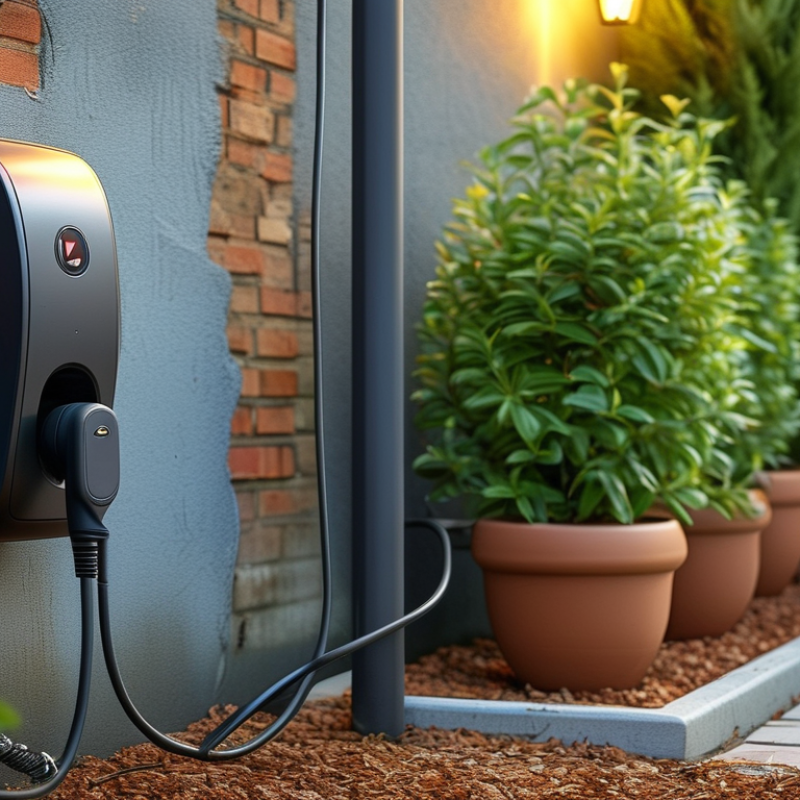
10 Tips for Installing a Wallbox EV Charger at Home?

Understanding Wallbox EV Chargers: Types and Specifications

When considering a home installation of a Wallbox EV charger, it's essential to understand the types and specifications available. Wallbox chargers generally fall into two categories: Level 2 and DC fast chargers. Level 2 chargers are ideal for home use, providing a balance between charging speed and cost. They typically require a 240-volt outlet and can charge most electric vehicles in just a few hours.

DC fast chargers are more powerful but are usually not suitable for home installations. They provide rapid charging at a higher voltage, ideal for commercial locations or public areas. Understanding the power output is crucial. For instance, wattage varies significantly, affecting charging time. A 7.2 kW charger will charge your vehicle faster than a 3.3 kW model. Look for features such as smart charging capabilities, which can optimize charging times based on utility rates.

It's also important to consider compatibility with your vehicle. Not all chargers support every EV model. Remember to check cable lengths and installation requirements. Sometimes, local building codes may impose restrictions. Research is essential, as choosing the right charger can impact your experience. Don't overlook the need for professional installation, as improper setups can lead to inefficiencies or safety concerns. Even small decisions can have significant consequences in the long run.

Assessing Your Home's Electrical System for Charger Installation

Installing a Wallbox EV charger at home begins with a thorough assessment of your electrical system. It's crucial to evaluate your current wiring and circuit capacity. Most homes may need an upgrade to handle the power requirements of an electric vehicle charger. This step involves understanding the maximum load your system can support without overloading it.

Check your main electrical panel to identify your home's amperage. If it’s below 200 amps, you might face limitations. An electrician can help assess if a panel upgrade is necessary. They can also determine whether your home’s wiring is compatible with the installation. This part needs careful attention. Poor wiring can lead to safety hazards.

Consider the location of the charger as well. It should be placed near the electrical panel, but ensure that it’s also practical for your vehicle's parking. Sometimes, you may need to run new wiring, which can complicate the process. Budgeting for these modifications is essential. A professional’s expertise will save time and ensure your installation is up to code, enhancing overall reliability.

Choosing the Right Location for Your Wallbox EV Charger

When installing a Wallbox EV charger at home, choosing the right location is crucial. A well-chosen site can enhance efficiency and safety. Research shows that improper placement can lead to unsafe conditions and reduced charging capabilities. Ideally, position the charger close to your vehicle's parking area. This minimizes the cable length required and optimizes charging speed. Experts suggest keeping it within 5 to 10 feet of your parking spot.

Consider weather conditions when selecting a spot. Chargers should be installed in spots sheltered from harsh weather conditions, like rain and direct sunlight. According to a report by the International Energy Agency (IEA), over 75% of EV charging happens at home. Hence, the convenience of location matters. Ensure the charger is accessible and user-friendly. A slightly inconvenient location can deter regular use.

Keep in mind potential future upgrades. As technology evolves, your charger’s location may need to adapt. It’s wise to avoid permanent installations in tight spots. Flexibility in location can save you headaches later. With these factors in mind, your home charging experience can be both efficient and enjoyable.

10 Tips for Installing a Wallbox EV Charger at Home

Installation Steps: Tools and Safety Precautions Needed

When installing a Wallbox EV charger at home, safety and proper tools are essential. Start by gathering the necessary equipment. You will need a voltage tester, drill, screws, conduit, and a stud finder. Having these tools ready helps streamline the process. Safety goggles and gloves are also important. They protect you from debris and electrical hazards.

Before beginning installation, always turn off the power at the circuit breaker. Verify that the power is off using the voltage tester. This step is crucial to avoid electric shock. If you’re uncomfortable working with electricity, consider hiring a professional. Electrical work can be tricky, and mistakes might result in costly repairs or accidents.

Once safety measures are in place, identify an appropriate location for the charger. Ideally, it should be close to your parking area. Make sure it’s accessible and well-ventilated. Pay attention to any potential obstacles, like wall structures or outdoor elements. Proper positioning is key to efficient usage. After installation, test the charger to ensure it works correctly and safely. Remember, maintenance is equally important to prolong the charger’s life.

10 Tips for Installing a Wallbox EV Charger at Home

Tip Number Tip Description Tools Required Safety Precautions
1 Choose the right location for the charger. Measuring tape, marker Ensure area is dry and accessible.
2 Check your electrical panel capacity. Screwdriver, multimeter Turn off power before checking.
3 Select the right wallbox model. N/A Read specifications carefully.
4 Hire a qualified electrician if necessary. N/A Ensure electrician is licensed.
5 Install proper circuit protection. Circuit breaker Follow local electrical codes.
6 Use appropriate wiring for installation. Appropriate gauge wire Wear gloves while handling wires.
7 Mount the wallbox securely. Drill, anchors, screwdriver Wear safety goggles while drilling.
8 Connect the wiring according to instructions. Wire connectors, screwdriver Double-check connections before powering.
9 Test the charger after installation. Multimeter Ensure no loose connections.
10 Keep the area around the charger clear. N/A Regularly inspect for obstructions.

Navigating Local Regulations and Permits for EV Charger Installation

Installing a Wallbox EV charger at home requires careful navigation of local regulations and permits. Each locality has specific rules governing electrical work, often dictated by safety codes. A 2022 report from the National Renewable Energy Laboratory indicated that 80% of homeowners faced delays due to unclear permitting processes. Familiarize yourself with local building codes to avoid surprises.

Before installation, consult with a licensed electrician. They can help you assess your home's electrical capacity. Many regions require permits for installations over a certain amperage, typically above 40 amps. Obtaining the right permits ensures compliance and can affect your property value positively. Not every homeowner considers this, risking their installation project.

Research your local jurisdiction’s requirements. Some cities feature streamlined processes for EV charger permits. You may find a dedicated online portal for applications that can save you time. Start gathering all necessary documents, including electrical plans and load calculations. Proper preparation reduces the risk of permit rejections, which can cause unnecessary delays. Look into your local utility incentives as they might offer rebates for new installations.

FAQS

: Why is it important to assess my electrical system before charger installation?

: Assessing your electrical system ensures it can handle the power demands of an EV charger safely.

What should I check in my main electrical panel?

Identify your home's amperage. If it’s under 200 amps, you may need an upgrade for installation.

How can I know if my wiring is suitable for the charger?

A licensed electrician can evaluate your wiring’s compatibility and safety for charger installation.

What factors affect the location of the EV charger?

The charger should be near the electrical panel and practical for parking your vehicle.

Are permits necessary for installing an EV charger?

Yes, most regions require permits for installations over specific amperage, usually above 40 amps.

How can I avoid delays in the permit process?

Research local regulations and prepare documents like electrical plans to minimize permit rejections.

What happens if I don’t follow local building codes?

Ignoring codes can risk your installation's safety and might negatively affect your property value.

How can I budget for potential wiring changes?

Consult an electrician to assess expenses for running new wiring and potential upgrades needed.

Are there any incentives for installing EV chargers?

Local utilities may offer rebates and incentives for new installations, so check for available programs.

What are the risks of poor wiring in relation to charger installation?

Poor wiring can lead to safety hazards, increased fire risk, and operational failures in the charger.

Conclusion

Installing a Wallbox EV charger at home is a practical investment for electric vehicle owners, enabling convenient charging without frequent trips to public stations. To effectively tackle the installation process, it's essential to first understand the various types and specifications of Wallbox EV chargers available. A thorough assessment of your home's electrical system is crucial to determine if it can support the new charger, ensuring safety and efficiency.

Choosing the right location for the charger is another critical step, as it should be easily accessible and compliant with local regulations. The installation process itself requires the right tools and adherence to safety precautions to mitigate any risks. Finally, navigating local regulations and securing permits will ensure that your installation is legal and up to code. By following these guidelines on how to install a wallbox EV charger at home, you can enjoy a seamless charging experience while contributing to a more sustainable future.

Isabella

Isabella

Isabella is a dedicated marketing professional with a sharp focus on driving brand growth and engagement through strategic content creation. With an extensive background in digital marketing, she combines her passion for storytelling with her keen understanding of industry trends to deliver......