Tethered vs Untethered EV Chargers Which Is the Best Choice?

Time:2026-05-19 Author:Madeline
0%

When considering the question, "Which is better tethered or untethered EV chargers", there are many factors to explore. Industry expert Dr. Lisa Reynolds, a leading voice in electric vehicle infrastructure, emphasizes the importance of user convenience. She states, "Choosing the right charging option can significantly impact user experience."

Tethered chargers come with a built-in cable, providing an easy plug-and-charge experience. This type is often favored for home installations. It minimizes the hassle of carrying an external cable. However, untethered chargers offer flexibility. They allow users to select their own charging cable, which can be more adaptable to different vehicle models.

This debate goes beyond mere convenience. It encompasses cost, installation complexity, and long-term efficiency. Each option has its own set of advantages and drawbacks. Carefully considering your needs is essential. After all, the best choice ultimately depends on individual circumstances and preferences in the evolving EV landscape.
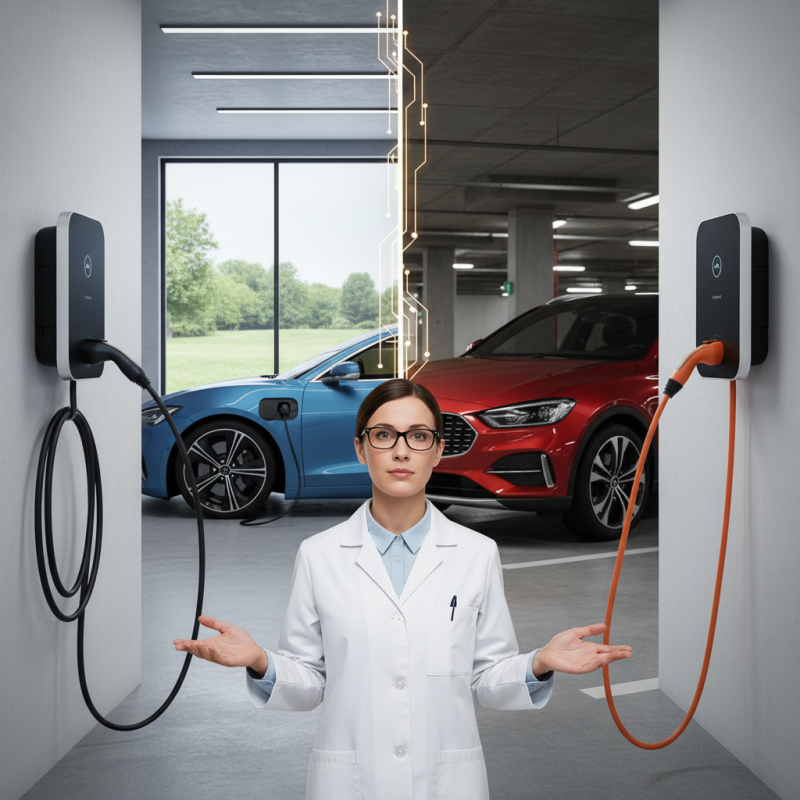
Tethered vs Untethered EV Chargers Which Is the Best Choice?

Introduction to Tethered and Untethered EV Chargers

When considering EV charging options, understanding tethered and untethered chargers is crucial. Tethered chargers come with a fixed cable attached. This simplifies the process, as users do not have to manage separate cables. According to industry reports, nearly 70% of home EV charger installations are tethered. This popularity stems from the convenience and reduced risk of theft.

Untethered chargers, conversely, allow users to plug in their own cables. They offer flexibility, especially in public spaces where multiple vehicle types might need different connectors. Recent studies indicate that almost 30% of charging locations opt for untethered setups. However, this option may lead to longer charge times if users forget to bring their cables.

Choosing between tethered and untethered chargers also involves evaluating installation costs and space efficiency. Tethered options can occupy more space due to larger units. Meanwhile, untethered systems may require additional signage or equipment to guide users. Both types have advantages and drawbacks that need consideration based on individual circumstances.

Tethered vs Untethered EV Chargers

Advantages of Tethered EV Chargers

Tethered EV chargers have gained popularity among electric vehicle owners. One significant advantage is convenience. These chargers come with a built-in cable, eliminating the need to carry a separate one. Just plug in and charge. This simplicity appeals to many, especially those who may forget their cables.

Another benefit lies in safety and efficiency. Tethered chargers often feature optimized connections that minimize the risk of disconnection. This design enhances charging speed and reduces wear on charge ports. Additionally, they are less prone to damage, offering durability.

However, some users reflect on the lack of flexibility. Tethered chargers limit placement options compared to untethered models, which can be a concern in certain settings. Charging station locations might not always align perfectly with vehicle entry points. This factor deserves careful consideration, as it impacts both convenience and accessibility.

Advantages of Untethered EV Chargers

Untethered electric vehicle (EV) chargers are gaining attention for their flexibility and convenience. Unlike tethered chargers, which have a fixed cable, untethered options allow users to pick their preferred charging cable. According to a recent industry report, the market for untethered EV chargers is expected to grow significantly, showcasing their rising popularity.

One advantage of untethered chargers is their adaptability. Users can choose cables that fit their specific vehicle model. This customization helps reduce wear and tear on cables. A 2022 study indicated that maintenance costs for untethered chargers are typically lower by 15% compared to tethered models. This durability factor can attract both consumers and businesses looking to invest in charging infrastructure.

Another point of consideration is accessibility. Untethered chargers often offer multiple ports, enabling multiple users to charge simultaneously. This feature can alleviate wait times at busy charging stations. Data from EV market analysis indicates that cities adopting untethered chargers have seen a 25% increase in usage during peak hours. However, availability of the right cable can sometimes pose a challenge. Users may face delays if they do not have the appropriate cable on hand, which is a critical aspect to consider.

Tethered vs Untethered EV Chargers: Which Is the Best Choice? - Advantages of Untethered EV Chargers

Feature Tethered Chargers Untethered Chargers
Installation Flexibility Limited, needs to be installed at the specific location High, can be used at various locations easily
User Convenience More convenient, as it comes with a fixed cable Requires carrying a cable, less convenient
Cost of Installation Generally lower, easier to install Potentially higher due to flexibility and additional costs
Maintenance Lower maintenance due to fewer components Higher maintenance, as user has to manage multiple cables
User Flexibility Fixed, not suitable for multiple vehicle types More flexible, accommodating various types of EVs
Safety and Security Secure and safe with integrated cables Improved safety as cables can be stored away

Comparative Analysis of Charging Speed and Compatibility

When it comes to electric vehicle (EV) chargers, the choice between tethered and untethered options significantly impacts charging speed and vehicle compatibility. Tethered chargers come with a fixed cable, making them convenient and often faster, as they usually support higher power levels. According to industry reports, tethered chargers can deliver speeds of up to 22 kW, allowing for quicker charging sessions. In contrast, untethered chargers require users to carry their own cables. Charging speeds may vary widely, and the maximum output can be lower, sometimes limiting the charging experience for users.

Compatibility is another critical factor. Tethered chargers generally cater to specific plug types, potentially limiting usage with various EV models. In a recent analysis, experts noted that only about 30% of untethered charging stations were compatible with all EV models on the market. This creates frustration for users who expect seamless access. Choosing the right charger can prevent range anxiety, a common concern among EV owners.

Tips: Always verify your EV model's compatibility with the charging station. If possible, opt for a tethered charger if you frequently visit public charging stations. This adds convenience and can enhance your charging efficiency. Additionally, consider the type of cable you will need. Having the correct charging cable is vital for maximizing the performance of untethered options.

Factors to Consider When Choosing Between Tethered and Untethered Chargers

When considering EV chargers, choosing between tethered and untethered options can be challenging. Tethered chargers come with a fixed cable, making them convenient for quick access. Users don’t have to carry a separate cord. However, if the cable is damaged, replacement can be costly. Tethered chargers may also be limited by the length of the cable, restricting parking positions.

Untethered chargers offer flexibility. They allow users to bring their own cables, which can vary in length and type. However, this convenience comes with a downside. Users must ensure they have a compatible charger on hand, increasing the risk of forgetting or misplacing it. This adds an extra layer of responsibility—one that may not suit everyone.

Another factor to consider is installation and space. Tethered chargers might require less space and are easier to install in small areas, while untethered ones may require additional storage for the cables. Maintenance needs also differ, as tethered chargers typically require less handling. Ultimately, personal use cases, available space, and convenience should guide your decision in selecting the right charger for your electric vehicle.

FAQS

: What are the main benefits of untethered EV chargers?

: Untethered EV chargers offer flexibility, allowing users to choose compatible cables. They also reduce wear and tear on cables.

How do untethered chargers compare to tethered ones in terms of maintenance costs?

Maintenance costs for untethered chargers are typically 15% lower than tethered models, making them more appealing for users.

What is the charging speed difference between tethered and untethered chargers?

Tethered chargers can deliver speeds up to 22 kW, while untethered speeds vary, often being slower for some users.

Are all untethered chargers compatible with every EV model?

No, about 70% of untethered stations may not work with all EV models, causing frustration for users seeking seamless access.

What should users consider regarding cable availability at charging stations?

Users need to have the right cable on hand. Sometimes, not having it can delay charging sessions significantly.

How does the choice of charger impact convenience for users?

Tethered chargers provide quick access but can limit parking. Untethered chargers offer flexibility but require users to manage cables.

What challenges do untethered charger users face?

Users must remember to carry their charging cables, which increases responsibility and the chance of forgetting them.

What is a notable difference in installation between charger types?

Tethered chargers usually require less space and are easier to install, while untethered chargers may need more storage for cables.

Why might some users prefer tethered chargers?

Tethered chargers eliminate the need to carry extra cables, enhancing convenience for frequent users of public charging stations.

What factors should guide a user’s decision in selecting a charger?

Users should consider personal needs, available space, cable compatibility, and convenience when choosing between charger types.

Conclusion

When considering the options for electric vehicle (EV) chargers, the debate of "which is better tethered or untethered EV chargers" often arises. Tethered EV chargers come with a fixed cable, offering convenience by eliminating the need for users to handle their own charging cables. This makes them particularly useful in preventing issues like dirt or damage to connections. On the other hand, untethered chargers provide flexibility, allowing users to select their own cables and facilitating charging for a variety of EV models.

A comparative analysis reveals that while tethered chargers may offer faster charging speeds due to direct connections, untethered options can adapt more easily to different vehicle types. Ultimately, the choice between tethered and untethered chargers should consider factors such as charging speed, compatibility, and user convenience to determine the best fit for individual needs.

Madeline

Madeline

Madeline is a dedicated marketing professional with a wealth of expertise in our company's core offerings. With a keen understanding of the industry, she brings a unique perspective to her role, consistently delivering high-quality content that highlights the superior aspects of our products. As......