 VoltNode Charger
How to Schedule Charging to Cut Electricity Costs?
As energy costs continue to rise, consumers are seeking effective strategies to reduce their electricity bills. A recent report from the U.S. Energy Information Administration states that residential electricity prices have increased by over 15% in the past decade. This spike emphasizes the urgency for households to adopt smarter energy consumption practices. One such method is understanding "How to set up scheduled charging to save on electricity bills."
Scheduled charging allows users to charge devices or electric vehicles during off-peak hours when electricity rates are significantly lower. According to a study by the International Energy Agency, implementing this strategy can result in savings of up to 30% on energy costs. However, it’s crucial to be aware that not all utility providers offer the same rate structures. This disparity means that some users may not fully benefit from scheduled charging without proper research.
Incorporating a scheduled charging plan is not an infallible solution for everyone. The effectiveness varies based on individual usage patterns, local energy rates, and device compatibility. Consumers must evaluate their specific situations and make adjustments to maximize their savings. Adopting this practice can lead to substantial financial benefits, but it requires careful planning and consideration of one's energy habits.
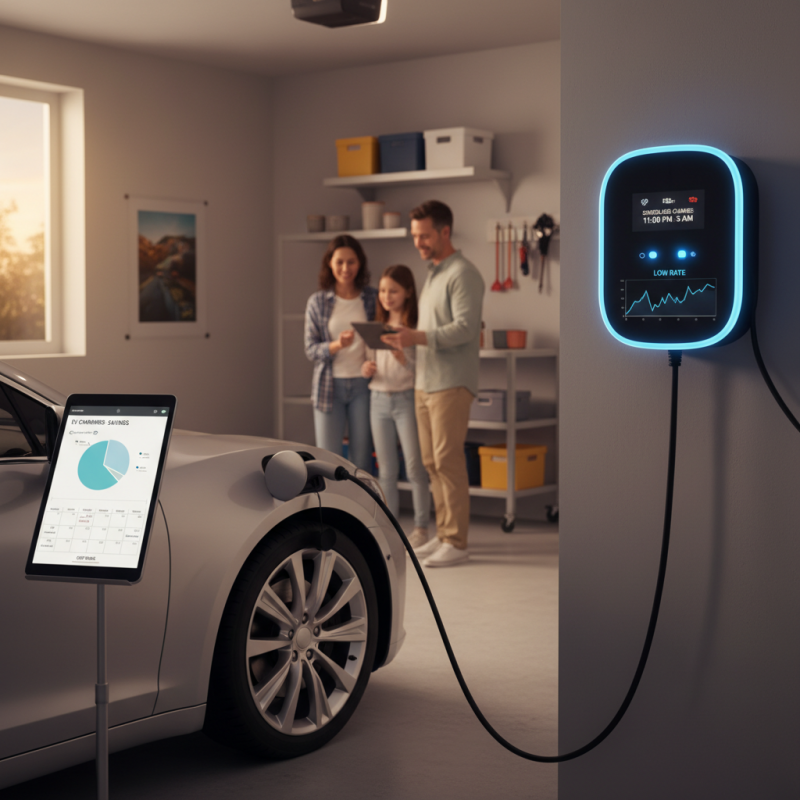
Understanding Electricity Pricing and Time-of-Use Rates
Electricity pricing can vary significantly throughout the day. Understanding time-of-use (TOU) rates is essential for reducing your energy expenses. According to recent studies, electricity costs can peak during the late afternoon and early evening. During these periods, prices may be 50% higher than during off-peak hours. By scheduling your charging during these off-peak times, you can substantially lower your monthly bill.
To optimize your charging schedule, consider using programmable smart chargers. These devices allow you to set designated times for charging, typically during nighttime hours when rates are lower. Additionally, monitoring your local electricity provider's pricing schedules can provide insights. Studies show that consumers can save up to 30% on their bills by shifting usage to off-peak times.
Tip: Set reminders to charge your devices outside peak hours. Also, consider grouping your energy-intensive tasks. This strategy can take advantage of lower rates, maximizing savings while ensuring all devices are charged when needed. Reflecting on your current habits can reveal hidden opportunities for efficiency. With careful planning, harnessing TOU rates can yield significant savings.
How to Schedule Charging to Cut Electricity Costs? - Understanding Electricity Pricing and Time-of-Use Rates
| Time Slot | Electricity Rate (per kWh) | Recommended Action | Estimated Savings |
|---|---|---|---|
| 12 AM - 6 AM | $0.08 | Charge Electric Vehicle | $3.20 |
| 6 AM - 10 AM | $0.12 | Avoid Charging | $0 |
| 10 AM - 4 PM | $0.10 | Charge When Necessary | $1.60 |
| 4 PM - 8 PM | $0.15 | Avoid Charging | $0 |
| 8 PM - 12 AM | $0.09 | Charge Electric Vehicle | $2.40 |
FAQS
: TOU rates vary throughout the day, with different prices during peak and off-peak hours.
Charging during off-peak hours can reduce electricity costs. Rates can be significantly lower at these times.
Check your local electricity provider’s pricing schedule. It usually shows when peak and off-peak times occur.
Programmable smart chargers, timers, and smart plugs allow you to set designated charging periods effectively.
Yes, by monitoring and adjusting your usage, you can save up to 30% on your electricity bill.
Yes, grouping energy-intensive tasks can maximize savings, ensuring devices charge during lower rate periods.
Regularly check your energy bills and habits. Adapt your schedule as your routine or rates change.
Many forget to charge during off-peak hours, missing opportunities to save money.
Yes, most smartphones and laptops have features to help manage charging times efficiently.
Experimenting with various charging schedules and reflecting on your usage can uncover new savings opportunities.
Conclusion
In today's energy-conscious world, understanding electricity pricing and time-of-use rates can play a crucial role in reducing household expenses. To effectively manage your electricity bills, learning how to set up scheduled charging to save on electricity bills is essential. This involves identifying periods of low electricity demand, often during off-peak hours, when rates are typically more favorable.
Moreover, implementing smart charging schedules for your devices can optimize energy use, ensuring that they charge during these economical hours. Utilizing smart meters and apps allows for real-time monitoring of electricity consumption, enabling you to adjust your habits accordingly. Additionally, exploring available incentives and rebates for off-peak charging can further enhance savings, making it a practical and cost-effective strategy for managing electricity costs.
