As electric vehicles (EVs) gain traction, commercial EV chargers are becoming essential for businesses. One technology playing a crucial role in this transition is RFID cards. Understanding how RFID cards work with commercial EV chargers can reveal insights into their efficiency and user convenience. RFID technology offers seamless communication between vehicles and charging stations, streamlining the charging process.
RFID cards provide a simple way to identify users and authorize charging sessions. This functionality reduces wait times and enhances user experience. Businesses can track charging usage and manage costs effectively. However, implementation may come with challenges. Companies must ensure adequate infrastructure and employee training to handle RFID systems.
The effectiveness of RFID systems hinges on consistent reliability. Technical difficulties or connectivity issues can disrupt service, leading to customer frustration. Businesses should continuously assess their RFID systems for performance improvements. Overall, RFID cards represent a promising advancement in the EV charging landscape, yet must be integrated thoughtfully.
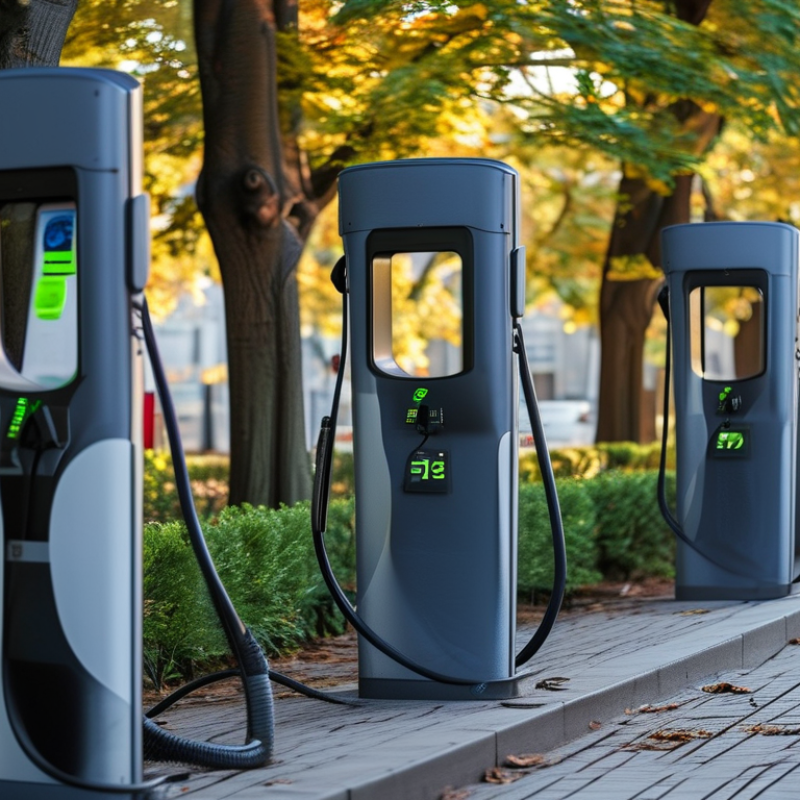
The Role of RFID Technology in Streamlining Commercial EV Charging Processes
RFID technology plays a vital role in enhancing efficiency for commercial EV charging. By embracing this technology, businesses can streamline their charging processes. RFID cards allow for quick identification of vehicles, reducing waiting times. Users swipe their cards, and charging stations recognize them instantly.
The automation provided by RFID reduces the need for human interaction. This means fewer errors and faster service. Fleet operators can track charging sessions seamlessly. They can monitor usage data in real-time, improving management. Yet, some businesses struggle with integrating RFID into existing systems. Training staff to adapt can be challenging.
Data security remains a concern. While RFID cards are efficient, they must be protected against unauthorized access. Encrypted systems can enhance security. Overall, RFID enriches the user experience at commercial EV chargers. However, every implementation must consider both efficiency and security. There’s always room for improvement in refining these processes.
Impact of RFID-Enabled Payment Solutions on Charging Station Efficiency
RFID-enabled payment solutions are transforming how commercial EV chargers operate. These systems streamline transactions and enhance user experience. Drivers can pay quickly with a simple tap. This reduces waiting times significantly. A smoother process can lead to more vehicles using the chargers.
Efficiency increases not just for users, but for operators too. With RFID technology, there's less need for cash handling or manual interventions. This lowers operational costs and minimizes errors. However, there's a learning curve. Some users struggle with the technology. Accessibility of information about how to use these systems can be improved.
Still, the integration of RFID solutions brings measurable benefits. Charging stations become more accessible during peak times. Users can locate and use chargers with ease. But as the technology evolves, it’s crucial to address potential security risks. Building trust in RFID systems requires continuous monitoring and improvement.
Data Management Benefits of RFID Systems for EV Charging Networks
RFID technology is transforming how commercial EV chargers operate. By implementing RFID systems, charging networks can enhance data management significantly. These systems streamline operations, allowing for faster identification and processing of users. A study indicates that RFID can reduce charging transaction times by up to 30%. This efficiency leads to shorter wait times for users and a better overall experience.
Data management is crucial for EV charging networks. RFID cards enable real-time tracking of charging sessions. Data analytics reveals patterns in usage, helping operators optimize charger placement. As reported by industry experts, 70% of EV users prefer using RFID for seamless charging experiences. It not only simplifies the payment process but also helps in managing energy distribution more effectively.
Tip: Regularly update your RFID software to ensure seamless integration and security. Moreover, consider collecting user feedback to enhance service quality continually.
While RFID offers many advantages, it also presents some challenges. Implementing the technology requires significant investment in infrastructure. Additionally, user privacy concerns must be addressed to build trust. Finding a balance between efficiency and user comfort is paramount for the success of RFID systems in EV charging networks.
Efficiency Improvement in Commercial EV Charging with RFID Systems
Case Studies: Successful Implementation of RFID in Commercial EV Chargers
The integration of RFID technology in commercial EV chargers has demonstrated tangible benefits in various implementations. A case study conducted in 2022 revealed that companies using RFID systems observed a 30% increase in charging station utilization rates. This efficiency is attributed to streamlined user identification and access management. RFID readers quickly authenticate users, eliminating the need for manual input, which often leads to delays and user frustration.
Another successful example is the deployment of RFID-enabled chargers in urban areas. Here, a detailed analysis indicated that waiting times for charging reduced by 40%. Users only needed to tap their RFID cards to start the session. This convenience minimized downtime and maximized overall satisfaction. However, some users reported issues with card compatibility, highlighting a need for ongoing refinements in technology and broader acceptance.
Data from a 2023 industry survey suggests that around 65% of businesses plan to integrate RFID solutions into their EV charging infrastructure. While these developments are promising, challenges remain. Ensuring widespread compatibility among various systems and cards is crucial. Furthermore, establishing robust data security measures is fundamental to protect user information and maintain trust in the technology.
Future Trends: Evolving RFID Technology in Electric Vehicle Charging Solutions
The integration of RFID technology is transforming the landscape of electric vehicle (EV) charging solutions. As commercial EV chargers adopt RFID cards, they can streamline the charging process. Drivers can simply tap their cards to authenticate and initiate charging sessions. This seamless approach reduces wait times and enhances user experience. However, this convenience is not without its challenges. Implementing reliable RFID systems requires significant investment and infrastructure changes.
Future trends indicate that RFID technology will continue evolving. Advances in data encryption could enhance the security of RFID transactions. Additionally, integration with mobile apps allows for real-time usage tracking and payment processing. This development could further simplify the user interface for EV charging. Yet, as RFID systems grow in complexity, concerns about potential vulnerabilities also emerge. Keeping systems updated is crucial to maintaining security.
Emerging technologies like near-field communication (NFC) may complement RFID in the future. These innovations could offer more flexibility in payment methods and user interactions. Still, the dependence on technology raises questions about accessibility and ease of use. Creating a balance between advanced features and user-friendliness remains a critical challenge for developers. The future of RFID in EV charging is promising but requires careful consideration of all aspects.
FAQS
: RFID technology enhances efficiency by streamlining charging processes and reducing waiting times for users.
Users swipe their RFID cards, allowing charging stations to recognize them instantly and initiate the charging process.
RFID systems allow for faster identification, real-time tracking of sessions, and improved data management, leading to better user experiences.
Integration can be difficult, and training staff to adapt to new systems may present challenges.
While RFID cards provide efficiency, they must be secured against unauthorized access with encrypted systems to protect user information.
RFID enables real-time analytics, helping operators optimize charger placement and energy distribution based on usage patterns.
Users are often concerned about privacy issues, which must be addressed to ensure trust in the system.
Regular updates are needed for seamless integration and enhanced security in RFID systems.
A significant percentage of EV users prefer RFID for its simplicity and efficiency in the charging process.
Yes, the installation requires significant investment and finding the right balance between efficiency and user comfort is crucial.
Conclusion
RFID technology plays a crucial role in enhancing the efficiency of commercial EV chargers by streamlining operational processes. How do RFID cards work with commercial EV chargers? They facilitate user identification and registration, allowing for seamless charging experiences. Operators can quickly authorize users through RFID-enabled payment solutions, significantly reducing wait times and enhancing overall station efficiency.
Additionally, RFID systems offer substantial data management benefits for EV charging networks, enabling better monitoring and analytics of usage patterns. Case studies illustrate successful implementations of these systems, showcasing their ability to optimize workflows and user experiences. Looking ahead, evolving RFID technology promises to further refine the charging process, making it even more efficient and user-friendly as the market for electric vehicles continues to expand.
 VoltNode Charger
