Best Portable EV Chargers Compatible with All Electric Cars?

Time:2026-07-13 Author:Ethan
0%

As electric vehicles (EVs) continue to rise in popularity, the need for portable EV chargers has become essential. Many owners wonder, "Are all portable EV chargers compatible with all electric cars?" The excitement surrounding EV technology is significant, but compatibility issues can create confusion. Various EV models have different charging standards and connector types.

Portable chargers come in different shapes and sizes. Some are designed to work with multiple brands, while others are specific to certain models. It’s essential to examine the specifications before purchasing. Many consumers may find a product they like, only to realize it doesn’t fit their vehicle's requirements. This mismatch can lead to frustration.

Finding a reliable portable charger doesn't have to be daunting. Knowledge and research can guide you in the right direction. Look for chargers with universal compatibility claims. However, remember that even the best products may come with limitations. Stay informed, and ensure your charger meets your electric car’s needs to avoid unnecessary inconveniences.
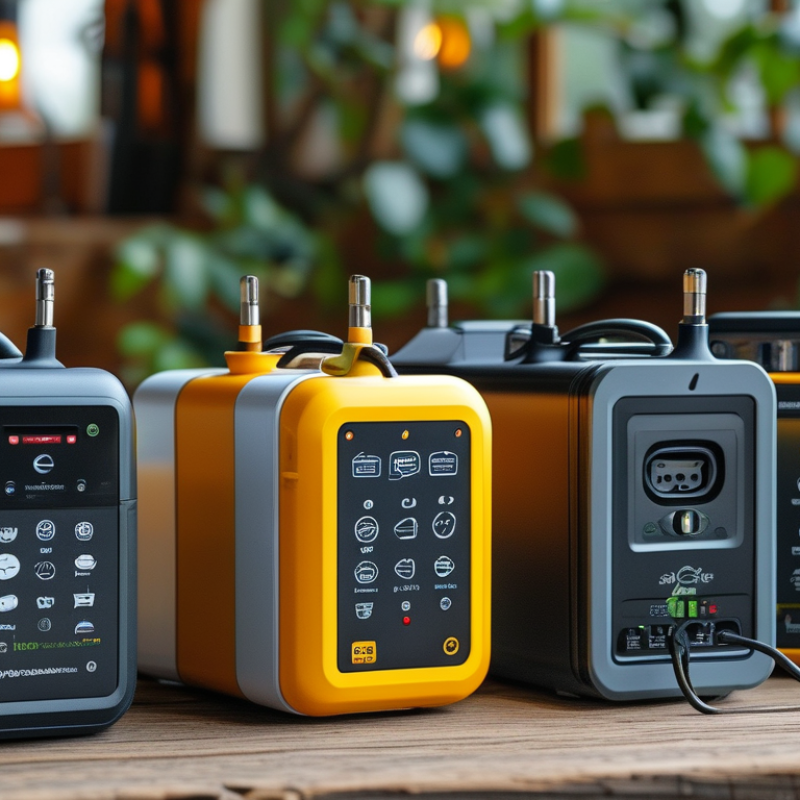
Best Portable EV Chargers Compatible with All Electric Cars?

Best Portable EV Chargers: Key Features and Benefits Overview

When exploring portable EV chargers, several key features stand out. First, charging speed is crucial. These chargers can vary widely in their output. A faster charging option can significantly reduce downtime. Look for models that offer Level 2 charging, as they typically provide a quicker recharge while remaining compact and easy to use.

Compatibility is another essential factor. Not all portable chargers work seamlessly with every electric vehicle model. Ensuring a charger supports various connectors and protocols helps to enhance versatility. Many chargers offer adapters for different outlet types. This feature is particularly handy for users who travel frequently.

Finally, think about safety features. Built-in protections against overheating, overcurrent, and short circuits are vital. These features not only protect the vehicle but also the user. However, some users rush into purchasing without fully understanding these needs. Researching and making informed decisions can enhance the overall charging experience. Each component plays a role in creating an efficient and reliable charging solution.

Best Portable EV Chargers Compatibility and Charging Speed

Understanding Compatibility: EV Chargers for Various Electric Car Models

When selecting a portable EV charger, compatibility is key. Different electric vehicles (EVs) require varying power outputs and connectors. Understanding the specifications of your car is crucial. Not all chargers will work universally. Some work for most models, while others may only cater to specific brands. This can be confusing for new EV owners.

It's essential to check the charger's output. A 120V charger is common but charges slowly. Most modern EVs benefit from 240V options, providing faster charging times. Pay attention to connector types, as some cars utilize unique plugs. A versatile option might be ideal, yet it’s important to ensure that it meets your specific needs.

While portable chargers offer flexibility, they also come with limitations. For instance, performance can vary based on local electrical infrastructure. In some areas, outlets may not support higher voltages. This can lead to slower charging speeds, even with an optimal charger. Users should consider these elements when choosing an EV charger to prevent frustration on the road.

Charging Speed Comparison: Level 1 vs Level 2 Portable Chargers

When it comes to charging electric vehicles (EVs), understanding the differences between Level 1 and Level 2 portable chargers is crucial. Level 1 chargers utilize a standard household outlet. They typically deliver 4-5 miles of range per hour of charging. This is suitable for overnight charging if you have a long enough time. However, if you're in a hurry, it can be quite limiting.

Level 2 chargers, on the other hand, use specialized circuits, providing a much faster charging rate. They can add 25 miles of range in just an hour. This makes Level 2 ideal for those who need a quick top-off during the day. It’s important to weigh the benefits against the cost and the need for installation. Level 2 chargers may require professional installation, which is a factor to consider. Not everyone has access to the appropriate electrical infrastructure for these more powerful chargers.

Both charging levels have their pros and cons. While Level 1 is convenient and widely accessible, its slow speed can be frustrating. Level 2 offers quick charging but might need additional investment. Your choice ultimately hinges on your driving habits and charging needs. Battery management and accessibility should always be prioritized.

Market Trends: Growth of Portable EV Chargers Among Electric Vehicle Owners

The electric vehicle market is rapidly evolving. Portable EV chargers are gaining traction among vehicle owners. These chargers offer flexibility and convenience. They can be used at home, work, or on the go. As more people switch to electric vehicles, the demand for portable options is increasing. Many users appreciate the ability to charge anywhere, reducing range anxiety.

However, there are challenges to consider. Not all portable chargers support the same charging speeds. Some may not be compatible with every electric vehicle model. Users often report difficulties in finding reliable information about compatibility. This lack of clarity can lead to frustration.

Market trends indicate that owners seek solutions that fit their lifestyle. The growth of portable chargers reflects a shift in consumer needs. As the charging infrastructure expands, users look for more innovative options. This includes chargers that are lightweight and easy to transport. Still, potential buyers need to research thoroughly. Balancing convenience with performance is key. These factors will ultimately shape the future of portable EV chargers.

Safety Standards: Industry Regulations for Portable EV Charging Devices

Portable EV chargers have become essential for electric vehicle (EV) owners. However, safety standards are crucial in ensuring reliable performance. The industry regulations for these devices focus on functionality and user safety. In recent years, experts have noted a significant rise in incidents linked to malfunctioning chargers. This has raised concerns about compliance with established safety guidelines.

According to the Electric Vehicle Charging Association, around 25% of portable chargers fail basic safety tests. This issue highlights the importance of purchasing devices meeting rigorous industry standards. The National Fire Protection Association suggests that chargers must undergo certification to prevent hazards. When selecting portable EV chargers, consumers should check for compliance with UL, IEC, or other recognized safety certifications.

Understanding battery capacity is another vital consideration. A charger with lower amp ratings may not charge effectively, causing longer wait times. Some users might overlook this aspect, leading to dissatisfaction. Reports show that inadequate charging solutions can result in a 30% decrease in overall user experience. Awareness of safety standards and charger specifications is essential for informed choices.

Best Portable EV Chargers Compatible with All Electric Cars

Charger Model Charging Power (kW) Cable Length (ft) Weight (lbs) Safety Certification
Model A 7.2 20 5 UL Listed
Model B 9.6 25 6 CE Certified
Model C 11.5 15 4.5 FCC Approved
Model D 7.2 30 7 TUV Certified

FAQS

: What are Level 1 chargers used for?

: Level 1 chargers use standard outlets and provide 4-5 miles of range per hour. They're good for overnight charging.

How fast can Level 2 chargers charge?

Level 2 chargers can add 25 miles of range in one hour. They are suitable for quick daytime top-offs.

Do Level 2 chargers require installation?

Yes, Level 2 chargers often need professional installation. This could be an important factor to consider.

What is a key disadvantage of Level 1 chargers?

Level 1 chargers can be frustratingly slow for users with tight schedules. They may not meet urgent charging needs.

Why are portable EV chargers becoming popular?

Portable chargers offer flexibility and convenience, allowing users to charge at home, work, or while traveling.

What challenges do users face with portable chargers?

Some portable chargers may not support all charging speeds or be compatible with every electric vehicle model.

How can safety standards affect charger performance?

Many portable chargers fail basic safety tests, which can lead to concerns about safety and reliability for users.

What should consumers check before buying a charger?

Consumers should look for safety certifications like UL or IEC to ensure the charger meets industry standards.

Why is battery capacity important?

A charger with low amp ratings may charge slowly, causing longer wait times and potential user dissatisfaction.

How does inadequate charging affect user experience?

Using insufficient charging solutions can lead to a significant drop in overall user satisfaction, sometimes by 30%.

Conclusion

In the evolving landscape of electric vehicles (EVs), understanding the compatibility of portable EV chargers is essential for owners. This article delves into the key features and benefits of portable EV chargers, highlighting their significance for various electric car models. A critical question addressed is, "Are all portable EV chargers compatible with all electric cars?" The discussion emphasizes charging speed, comparing Level 1 and Level 2 portable chargers, and illustrates how these variations can impact the charging experience for users.

Furthermore, the article explores the market trends that indicate a growing preference for portable EV chargers among electric vehicle owners, driven by convenience and flexibility. Safety standards and industry regulations for portable EV charging devices are also discussed, underscoring the importance of compliance in ensuring user safety. Overall, this summary provides a comprehensive overview of the considerations EV owners should keep in mind when selecting a portable charger.

Ethan

Ethan

Ethan is a seasoned marketing professional with a deep expertise in our company's innovative product line. With a passion for sharing knowledge and insights, he takes the lead in regularly updating our corporate blog, where he explores industry trends, product features, and effective marketing......