Can I Use a Portable EV Charger in the Rain Safely?

Time:2026-05-05 Author:Charlotte
0%

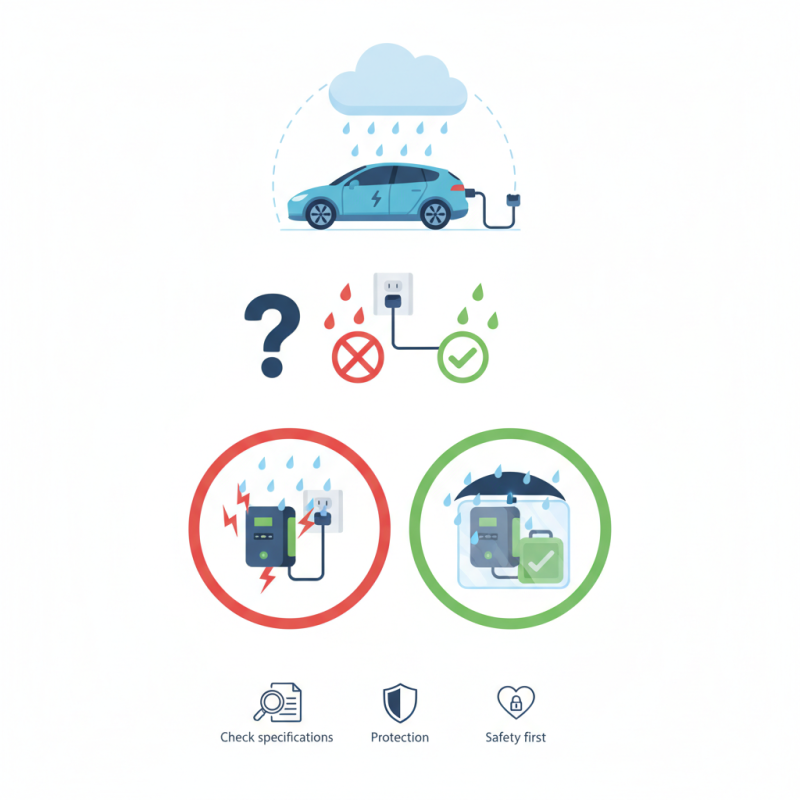
As electric vehicles (EVs) gain popularity, their charging methods are under increased scrutiny. One key question arises: "Can I use a portable EV charger in the rain?" This concern affects many EV owners, especially in regions with unpredictable weather. Using a portable charger during wet conditions poses safety risks.

Portable chargers are designed to be robust, but they may not be completely waterproof. Rain can damage electrical components. Thus, assessing your charger's specifications is crucial. Many manufacturers provide guidelines on usage in wet conditions. Therefore, it is vital to stay informed before plugging in during a storm.

Many EV owners are tempted to charge their vehicles in all situations. However, caution is essential. Always look for proper protective measures. Using a weather-resistant case or shelter can significantly reduce hazards. Remember that safety should always come first, even while ensuring your vehicle remains operational.
Can I Use a Portable EV Charger in the Rain Safely?

Understanding Portable EV Chargers and Their Safety Features

When considering portable EV chargers, understanding their safety features is crucial, especially in adverse weather. Most portable chargers comply with IP ratings, indicating their resistance to water and dust. For example, IP65-rated chargers can withstand low-pressure water jets. This ensures functionality in light rain.

However, it's important to remain cautious. Even with safety ratings, using a portable charger in heavy rain or standing water increases risks. Industry reports suggest that user error often leads to safety incidents. A recent survey indicated that 40% of EV users lack knowledge about these ratings, potentially exposing them to hazards.

Tips: Always check the IP rating before use. If rain is forecasted, consider charging indoors. Regular inspections of equipment can prevent failures. Keeping devices dry and stored properly is essential for long-term safety.

Ultimately, while portable chargers are designed for various conditions, the responsibility still lies with the user. Real-life experiences show that caution should guide decisions, particularly in unfavorable weather. Familiarity with your equipment and understanding environmental limits are key to safe usage.

Rain Safety Ratings of Portable EV Chargers

Evaluating the Ingress Protection Rating for Rain Situations

When it comes to using a portable EV charger in the rain, understanding the ingress protection (IP) rating is crucial. The IP rating indicates how well a device is protected against water and dirt. For EV chargers, a minimum rating of IP65 is advisable for outdoor use. Devices with this rating can withstand low-pressure water jets from any direction. However, even these chargers may not be fully waterproof.


The International Electrotechnical Commission (IEC) provides guidelines that manufacturers follow when rating their products. It is essential to check the certification before using a charger outdoors. Rain can cause problems, especially if the charger’s design isn’t robust. A study from the Electric Vehicle Industry Association revealed that nearly 30% of EV owners are concerned about charging safety in wet conditions. That statistic highlights the importance of making informed choices.


Even with a good IP rating, environmental factors matter. Water pooling around the charging area can lead to unforeseen hazards. Therefore, always examine the charging location for standing water, and ensure that your electrical connections are secure. A failure to do so can create a risk, undermining the safety features intended by the manufacturer. Always prioritize safety when using your portable EV charger in rain.

Best Practices for Using EV Chargers in Wet Conditions

Using a portable EV charger in the rain can be safe, but precautions are essential. Many chargers are designed with weatherproof features. However, not all are created equal. Always check the manufacturer’s recommendations for wet conditions. A little rain may not be an issue, but heavy downpours can pose risks.

When charging in wet conditions, ensure the environment is secure. Avoid standing water near the charger. Use a charger with a ground fault circuit interrupter (GFCI) for extra protection. It helps prevent electric shocks. A well-lit area can also improve visibility and safety.

Regular maintenance is crucial. Inspect cables for wear and tear, especially if exposed to moisture. Even small cracks can lead to dangerous situations. If the charger seems damaged, it’s better to delay charging. Take the time to evaluate the situation before proceeding. Safety should always be a priority.

Signs of Damage to Look for After Using Charger in Rain

Using a portable EV charger in the rain can be safe, but it's essential to examine it for signs of damage afterward. First, look for any frayed wires. Wires exposed to moisture can degrade quickly. Check the charger body for cracks or dents. These can allow water to seep inside, posing a risk of electrical failure.

Inspect the connectors as well. Signs of rust or corrosion might indicate that the components were compromised by water. Ensure that the charging ports are clean and dry. If there's any moisture, it’s best to let the device dry completely before using it again.

Tip: Always store your charger in a dry place when not in use. If you know rain is coming, try to find an alternative shelter or wait for better weather. Avoid using the charger if it appears damaged. Safety should always come first. Remember, a little precaution can save you from bigger issues later.

What to Do if Your Charger Gets Wet: Precautions and Steps

Using a portable EV charger in the rain poses unique challenges. Water exposure can lead to electrical hazards. According to the Electric Vehicle Association, around 30% of EV owners express concerns about safety in wet conditions. It’s essential to be cautious.

If your charger gets wet, immediate action is crucial. First, disconnect it from the power source and your vehicle. This step minimizes the risk of electric shock. Dry the charger with a soft cloth. Avoid using heat sources to dry it, as this could damage the device. The National Fire Protection Association reported that improper handling of electrical devices can lead to fires.

Inspect the charger for water damage. Look for corrosion or rust in connections. If you see any signs, it’s better to consult a professional rather than risk using it again. Always follow safety guidelines provided by the manufacturer. They offer specific instructions for handling wet devices. Ignoring these could invalidate warranties or create dangerous situations. Remember, safety should always come first.

Can I Use a Portable EV Charger in the Rain Safely? - What to Do if Your Charger Gets Wet: Precautions and Steps

Precautionary Step Description Recommended Action
Use Weatherproof Charger Invest in a charger designed for outdoor use. Check for IP ratings (IP65 or higher)
Inspect Connections Ensure all connections are tight and secure before use. Always dry your hands before handling connections.
Avoid Water Accumulation Keep the charger and outlet free from water pooling. Use a mat or platform to elevate the charger.
Dry Immediately If the charger gets wet, dry it off thoroughly. Use a towel and allow it to air-dry completely.
Check for Damage Inspect charger for any signs of damage or corrosion. Do not use if any damage is found.
Avoid Charging in Heavy Rain It's safest to avoid charging during downpours. Consider waiting until weather improves.

FAQS

: What is the importance of understanding IP ratings for portable EV chargers?

: IP ratings show how well chargers resist water and dust. Knowing these ratings ensures safe usage in various conditions.

Can I use a portable EV charger in heavy rain?

It’s risky to use chargers in heavy rain. Even IP65-rated chargers are not fully waterproof and can fail.

How can I ensure my charger is safe to use outdoors?

Always check the IP rating before use. IP65 is advisable for outdoor conditions, but monitor environmental factors too.

What are some precautions when charging in wet conditions?

Avoid standing water near chargers. Use GFCI-equipped chargers for protection against electric shocks for added safety.

How often should I inspect my portable EV charger?

Regular inspections are important. Check cables for wear or damage, especially after exposure to moisture.

What should I do if my charger seems damaged?

If you notice any damage, delay charging. Evaluate the charger’s condition before proceeding to ensure safety.

How can I improve visibility while charging in the rain?

Charge in well-lit areas. Good lighting can enhance safety and help you monitor the charging process effectively.

What does a ground fault circuit interrupter (GFCI) do?

A GFCI helps prevent electric shocks by shutting off the charger if it detects a ground fault, increasing safety.

How can user knowledge impact charging safety?

Lack of knowledge about safety features, like IP ratings, can lead to hazards. Users should educate themselves on their equipment.

Why is checking the charging location important?

Standing water around the charger can create risks. Always ensure the environment is secure before charging to prevent accidents.

Conclusion

When considering the question "Can I use a portable EV charger in the rain," it's essential to understand the safety features integrated into these devices. Portable EV chargers typically come with various ingress protection (IP) ratings, which indicate their resistance to water and dust. Chargers with higher IP ratings are often designed to withstand wet conditions, making them generally safe for use during light rain.

However, best practices should be followed to ensure safety, such as checking for signs of damage before use and avoiding charging in heavy downpours. If your charger does get wet, it's crucial to take precautions, like drying it off and inspecting for any water ingress or damage before using it again. By adhering to these guidelines, you can safely use a portable EV charger even when the weather isn't ideal.

Charlotte

Charlotte

Charlotte is a seasoned marketing professional with a deep understanding of the company's portfolio and a passion for elevating its presence in the market. With a keen eye for detail and a commitment to excellence, she ensures that our professional blog is regularly updated with insightful articles......