Can a Portable EV Charger Replace a Wallbox for Daily Use?

Time:2026-06-07 Author:Madeline
0%

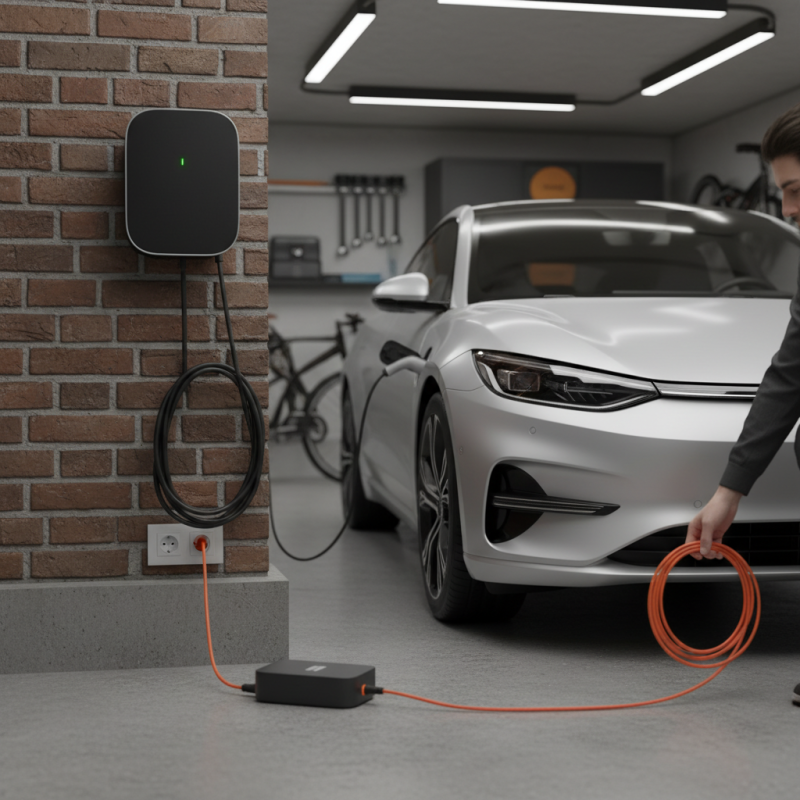
As electric vehicles (EVs) gain popularity, the question arises: "Can a portable EV charger replace a wallbox for daily use?" The advent of portable chargers offers flexibility. However, they may not entirely meet everyday charging needs. According to a report by the International Energy Agency, there were over 10 million electric cars on the road by 2023. This growth emphasizes the necessity for reliable charging solutions.

Expert Michael Turner, an EV charging consultant, states, "Portable chargers offer convenience, but they can lack efficiency for daily usage." While a portable charger can be handy on the go, it typically delivers lower power output compared to a fixed wallbox. For instance, a standard wallbox might charge an EV at 7.4 kW, while a portable device often maxes out around 3 kW. This discrepancy can mean more time plugged in, which is not ideal for daily commutes.

Moreover, homeowners often lack convenient locations for portable chargers. The need to set up and carry these devices can become burdensome. Without proper infrastructure, relying solely on portable chargers for everyday use may lead to challenges. Therefore, while portable chargers provide a useful alternative, they highlight a broader discussion on evolving EV charging practices.
Can a Portable EV Charger Replace a Wallbox for Daily Use?

Advantages of Portable EV Chargers Compared to Wallbox Units

Portable EV chargers offer flexibility that wallbox units simply can't match. They are lightweight and easy to transport, making them perfect for on-the-go charging. Imagine being able to charge your electric vehicle at a friend's home or while traveling. This convenience is a significant advantage that many drivers appreciate.

Another key benefit of portable chargers is their installation requirements. Unlike wallboxes, which often need professional installation, portable chargers can be used right out of the box. This ease of use appeals to owners who may not want to invest in complex installations. However, it’s essential to note that the charging speed may vary. Some users might find that a portable unit doesn’t provide the same fast charging experience as a wallbox.

Safety also plays a role in the discussion of portable EV chargers. Although they are designed for everyday use, regular inspections are crucial. Unlike dedicated wallboxes, portable chargers can experience wear and tear if not maintained properly. Users must regularly check cables and connections for any signs of damage. This added responsibility can be seen as a drawback by some. While portable chargers bring convenience, potential risks warrant careful consideration.

Limitations and Challenges of Using Portable Chargers Daily

Portable EV chargers offer convenience. They are easily transportable and can be used in various locations. However, the daily use of these chargers comes with significant limitations. A study by the International Energy Agency (IEA) indicated that nearly 85% of EV owners prefer home charging solutions. This preference arises from the reliability and speed of wallbox installations compared to portable alternatives.

One primary challenge is charging speed. While portable chargers typically provide lower power outputs, wallboxes can deliver up to 22 kW. This disparity results in longer charging times for portable units. In real-world scenarios, a portable charger might take up to 12 hours to fully charge an EV, making it impractical for daily use.

Additionally, there are concerns regarding the wear and tear on both the charger and the vehicle's charging port. Frequent connections can lead to potential damage, raising reliability questions.

Moreover, portable chargers often rely on standard electrical outlets. Depending on location, this can lead to safety hazards. Data from the U.S. Department of Energy shows that about 30% of home outlets fail to support optimal charging conditions. This inconsistency can cause frustration for EV owners. Daily reliance on a portable charger, while flexible, might not be suitable for those with regular usage patterns. The convenience often comes with compromises that need careful consideration.

Cost Comparison: Portable Chargers vs. Wallbox Installations

When considering cost, portable EV chargers and wallbox installations present two distinct financial landscapes. Portable chargers usually have a lower upfront cost. They are easy to transport and can be used in various locations, making them versatile for different situations. However, these advantages may not translate into long-term savings. As users often rely on these chargers at home, their slower charging speeds can lead to higher energy bills.

Wallbox installations, while more expensive initially, offer more efficiency. They provide higher charging rates, reducing overall charging time. This means less energy consumption over time, which could offset the higher setup cost. Furthermore, wallbox installations can increase the property value. They can be an attractive feature for potential buyers, emphasizing sustainability. Investing in a wallbox might seem daunting, yet the reliability and potential savings cannot be overlooked.

Both options have their pros and cons. The portable charger seems convenient, but it may not always be practical for daily use. Meanwhile, the wallbox provides efficient charging but demands a larger initial investment. It’s essential to think about your habits and needs before making a choice. Each situation calls for its own solutions.

Charging Speeds: Analysis of Portable Chargers vs. Wallbox Performance

When evaluating portable EV chargers versus wallboxes, charging speeds stand out as a significant factor. According to industry reports, standard wallboxes typically deliver power levels up to 22 kW. This allows them to fully recharge an electric vehicle in a matter of hours, making them ideal for home use. Conversely, many portable chargers provide only 3.7 kW to 7.2 kW, resulting in slower charging times. A car that peaks at 50 kWh might take over ten hours with a portable charger, compared to just a few hours with a wallbox.

The performance of portable chargers can vary widely. Environmental conditions and the specific vehicle model can also impact charging rates. Interestingly, other studies note that using a portable charger can sometimes be more convenient but may lead to frustration when power output falls short. Users often report unpredictable charging speeds, which can disrupt daily routines. For instance, a driver may plan to charge their vehicle overnight, only to wake up and find it hasn’t received sufficient power.

Standards in the industry are evolving, with advances in charging technology regularly reported. Some portable options are incorporating faster charging capabilities, promising improvements. However, current limitations in battery management systems might still impede the charging efficacy of portable devices. The decision between using a portable charger or a wallbox often involves weighing convenience against efficiency, highlighting the nuances in everyday electric vehicle use.

Can a Portable EV Charger Replace a Wallbox for Daily Use? - Charging Speeds: Analysis of Portable Chargers vs. Wallbox Performance

Charger Type Max Power Output (kW) Charging Time (0-100%) Portability Installation Requirement
Portable Charger 3.7 - 7.2 8 - 12 hours High None
Wallbox Charger 7.2 - 22 4 - 8 hours Low Requires Installation
Fast Charger 50 - 150 30 minutes - 1 hour Low Requires Installation

User Scenarios: When to Choose a Portable Charger Over a Wallbox

When deciding between a portable EV charger and a wallbox, user scenarios matter. A portable charger can be ideal for apartment dwellers without dedicated parking. It provides flexibility, allowing drivers to charge at home or on the go. Picture a busy weekday morning: you can plug it into any regular outlet while you tackle your daily routine. This convenience can be essential for responding to unexpected charging needs.

Conversely, a wallbox suits those with a dedicated parking space. It offers faster charging and a permanent setup. Imagine returning home after a long day. You simply pull into your driveway and plug in without extra effort. This reliability is hard to beat for daily use. However, some users may feel that the installation cost is steep and not necessary for infrequent use.

While portable chargers offer convenience, they may require more frequent monitoring. Users might forget to charge overnight, which can lead to surprises. There’s also the potential for lower charging speeds. A wallbox might provide a more seamless daily experience but limits flexibility. Evaluating personal needs and habits is crucial in this charging choice.

EV Charger Usage Comparison

FAQS

: What are the main advantages of portable EV chargers?

: Portable EV chargers offer flexibility and ease of transport for on-the-go charging. They can be used anywhere, like a friend's home.

Do I need professional help to use portable EV chargers?

No, portable chargers are ready to use without professional installation. This ease appeals to many users.

How does charging speed compare between portable chargers and wallboxes?

Portable chargers usually provide lower power outputs, taking longer to fully charge a vehicle compared to wallboxes.

What are the safety considerations with portable EV chargers?

Regular inspections are crucial for portable chargers. Cables and connections need to be checked for signs of wear and tear.

Can portable chargers be used daily without issues?

Daily use of portable chargers can lead to frustration due to longer charging times and potential damage to vehicles or chargers.

Are all electrical outlets safe for portable charger use?

Not all outlets support optimal charging. About 30% of home outlets may cause safety hazards during charging.

What might frustrate users of portable EV chargers?

Users may experience unpredictable charging speeds, leading to insufficient power when expected, disrupting their routines.

Are there any emerging advancements in charging technology?

Yes, some portable chargers are being developed with faster charging capabilities, but current limitations still exist in some devices.

What should users weigh when choosing between chargers?

Users must consider convenience versus efficiency. Portable chargers offer flexibility, but wallboxes provide faster and more reliable charging.

What can be seen as drawbacks of portable chargers?

Maintenance requirements and slower charging speeds may deter some users. Potential wear on the charger and vehicle's port is a concern.

Conclusion

The article "Can a Portable EV Charger Replace a Wallbox for Daily Use?" explores the pros and cons of utilizing portable EV chargers in lieu of traditional wallbox installations for everyday electric vehicle charging. It highlights that portable chargers offer significant advantages in terms of flexibility and convenience, making them ideal for users who may need to charge their vehicles in different locations. However, the discussion also points out limitations such as slower charging speeds and potential challenges in daily usage, which may discourage some users.

Furthermore, a cost comparison reveals that while portable chargers may have lower initial costs, wallbox installations could prove more economical in the long run due to faster charging capabilities. The article finally delves into various user scenarios, providing insights on when it might be more beneficial to select a portable charger over a wallbox. Ultimately, readers are encouraged to consider their specific charging needs and lifestyle when contemplating, "Can a portable EV charger replace a wallbox for daily use?

Madeline

Madeline

Madeline is a dedicated marketing professional with a wealth of expertise in our company's core offerings. With a keen understanding of the industry, she brings a unique perspective to her role, consistently delivering high-quality content that highlights the superior aspects of our products. As......