As electric vehicle (EV) usage rises, many users wonder, "Can I use a portable EV charger in the rain?" Experts like Mark Johnson, an EV technology specialist, highlight the importance of safety. He states, "The protection ratings of chargers can help you assess their safety in wet conditions."
When considering portable EV chargers, it's crucial to know their weatherproof ratings. Most chargers are designed to withstand rain, but not all can handle heavy exposure. There can be risks if connections are not properly sealed. As technology advances, freer usage in various conditions becomes possible.
Ultimately, caution is essential. Even if a charger is rated for outdoor use, avoiding charging during heavy rain or storms is wise. Understanding the specifics of your device can prevent accidents and ensure you stay safe.
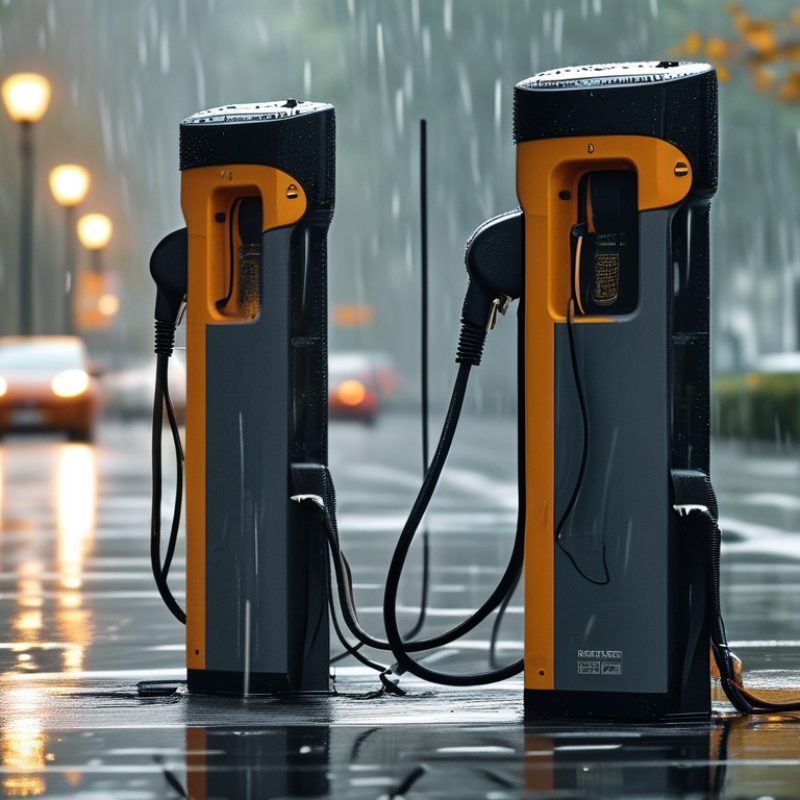
Portable EV chargers are designed with safety in mind. They typically feature waterproof enclosures. This helps prevent water from seeping in during rain. However, it’s crucial to check the charger’s IP rating. This rating indicates how well the device can withstand water exposure.
Most portable chargers have built-in safety features. These include overcurrent protection and temperature controls. Such features work to prevent overheating. But users should remain cautious when using them in wet conditions. Even chargers with protective ratings can malfunction if not handled properly. Always inspect plugs and cords for damage.
It's also important to select proper locations for charging. Avoid puddles or areas where water can accumulate. Elevating the charger off the ground can help minimize risks. Users should remember that any electrical device used in wet conditions poses some risk. Taking simple precautions can help mitigate potential issues.
When considering the use of a portable EV charger in rainy weather, understanding safety standards is crucial. Electric vehicle chargers are often designed with safety features to withstand wet conditions. However, real-world scenarios can vary. Ensure that your charger is certified for outdoor use. This typically means it meets certain safety guidelines for moisture resistance.
Most portable chargers come with weatherproof ratings. Look for the IP (Ingress Protection) rating on your device. An IP rating of at least 65 suggests robust protection against water. While this does not guarantee complete safety, it offers reassurance under typical rain conditions. Evaluate the charging area before use. Puddles or flooding can pose additional risks.
Tips: Always inspect your portable charger for damage before using it. Water can seep into cracked casings. If in doubt, wait for the rain to subside. A safe practice is to charge in a dry, sheltered space when possible. Your safety and your vehicle's integrity should always come first. Investing in a quality charger with strong safety ratings can prevent complications and ensure a reliable charging experience.
When using a portable EV charger in rainy weather, safety is crucial. Water and electricity do not mix well. Ensure that your charger is designed for outdoor use; check for an IP rating, which indicates its water resistance. An IP rating of at least IP65 is recommended for protection against rain and splashes.
Before starting the charging process, inspect the charging cables and plug. Look for any damage or wear. A frayed cable can pose a serious risk. If the charger gets wet, dry it thoroughly before use. Position the charger in a sheltered area if possible, to minimize direct exposure to rain. Use a waterproof cover if you have one.
Many users overlook the impact of ground conditions. Wet surfaces can increase the risk of electric shock. Stand on a dry area while handling the charger. If the rain intensifies, it might be better to delay charging. Always prioritize personal safety over convenience. Charging in adverse weather conditions can be risky, and careful consideration can prevent accidents.
When considering the use of a portable EV charger in rainy weather, it's crucial to assess its condition. Regular wear and tear can impact safety. Look closely for damaged power cords, connectors, or insulation. A study by the Electric Power Research Institute notes that about 15% of electric vehicle owners have faced issues due to corroded connectors.
Examine the casing of the charger for cracks or signs of water damage, which can indicate exposure to moisture. Water intrusion can lead to electrical failures. The National Fire Protection Association emphasizes that undetected damage increases the risk of electrical shock or fire. It's advisable to inspect your charger each time before use, especially after heavy rain.
Another key aspect is to ensure the charger is rated for outdoor use. Check specifications for waterproof ratings. Many chargers have an IP rating, which indicates their protection against water and dust. An IP rating of at least IP65 is ideal for safe outdoor use. Remember, while some risks can be managed, it’s essential to prioritize safety and be cautious with damaged chargers.
| Dimension | Details |
|---|---|
| Water Resistance Rating | IP65 or higher recommended |
| Signs of Damage | Frayed wires, cracks in casing, moisture in connectors |
| Charger Overheating | Check for unusual heat or burning smell |
| Grounding Requirements | Ensure equipotential bonding and proper grounding |
| Recommended Usage Conditions | Avoid using outdoors during heavy rain or storms |
When using a portable EV charger outdoors, rain can pose certain risks. It's crucial to stay aware of potential electrical issues. Make sure connections remain dry. If you notice any signs of moisture, be cautious. Wet conditions can increase the chances of short circuits. If water gets into the charger or outlets, stop using them immediately.
During a charging session, if something feels off, check the charger and the vehicle's connection. Look for any visible damage, like frayed cables. Don't ignore strange smells or sounds. These may indicate an electrical fault. In such cases, it’s better to err on the side of caution and disconnect.
**Tips:** Always use chargers rated for outdoor use. Look for IP ratings that specify water resistance. If charging in rainy weather, use a protective cover. Regularly inspect your equipment for wear and tear. It’s wise to familiarize yourself with your EV’s manual. Knowing how to respond in emergencies can make all the difference.
: Always check the charger’s IP rating for moisture resistance. An IP rating of at least 65 is recommended.
Yes, even with safety features, improper handling can lead to malfunctions in wet conditions.
Avoid puddles and keep the charger elevated off the ground to prevent exposure to water.
If you see water, stop using the charger immediately and inspect for damage.
Charging in rain poses risks, even with weatherproof chargers. Use a covered, dry area when possible.
Regular inspections for cracks or wear are essential. Damage can lead to water exposure and electrical issues.
Look for frayed cables or unusual smells during charging. Disconnect if something feels off.
Use chargers designed for outdoor use, check weatherproof ratings, and avoid charging in heavy rain.
No charger is completely safe. Always take precautions and be aware of the risks involved.
If in doubt, wait for the rain to stop before charging. Safety comes first.
When considering the question, "Can I use a portable EV charger in the rain," it’s crucial to understand the design and safety standards that govern these charging devices. Portable EV chargers are generally built to withstand varying weather conditions, but safety precautions must be taken when using them in wet environments. Familiarize yourself with the specific safety standards for EV chargers, as many are rated for use in rainy conditions. However, you should always inspect your charger for any signs of wear or damage, such as frayed wires or corrosion, before using it outdoors.
To ensure safe charging during rainy weather, it’s advisable to set up in a sheltered area when possible and avoid standing water around the charging station. If an electrical issue arises while charging, it’s essential to disconnect the charger immediately and consult a professional. By taking these precautions, you can safely use your portable EV charger during less than ideal weather.
VoltNode Charger