In the evolving world of electric vehicles (EVs), understanding charging infrastructure is crucial. Many potential EV owners ask, "What is the difference between Level 1 and Level 2 chargers?" Level 1 chargers use standard household outlets, providing a slow charge. These chargers typically add about 4-5 miles of range per hour. In contrast, Level 2 chargers utilize a 240-volt outlet. They offer a significantly faster charging option, giving about 25 miles of range in just an hour.
According to the U.S. Department of Energy, approximately 80% of EV owners charge at home. Yet, many underestimate the importance of choosing the right charger. A study by the International Energy Agency indicates that as of 2021, over 10 million electric cars were on the road globally, highlighting the growing need for efficient charging solutions. Level 2 chargers have gained traction, as they enable quicker transitions and more flexibility for daily use.
However, this choice comes with considerations. The installation of Level 2 chargers typically requires a professional and can represent a more significant upfront investment. Moreover, not all homes are equipped for this, potentially leading to frustration. Understanding these aspects ensures that consumers make informed choices about their EV charging needs.
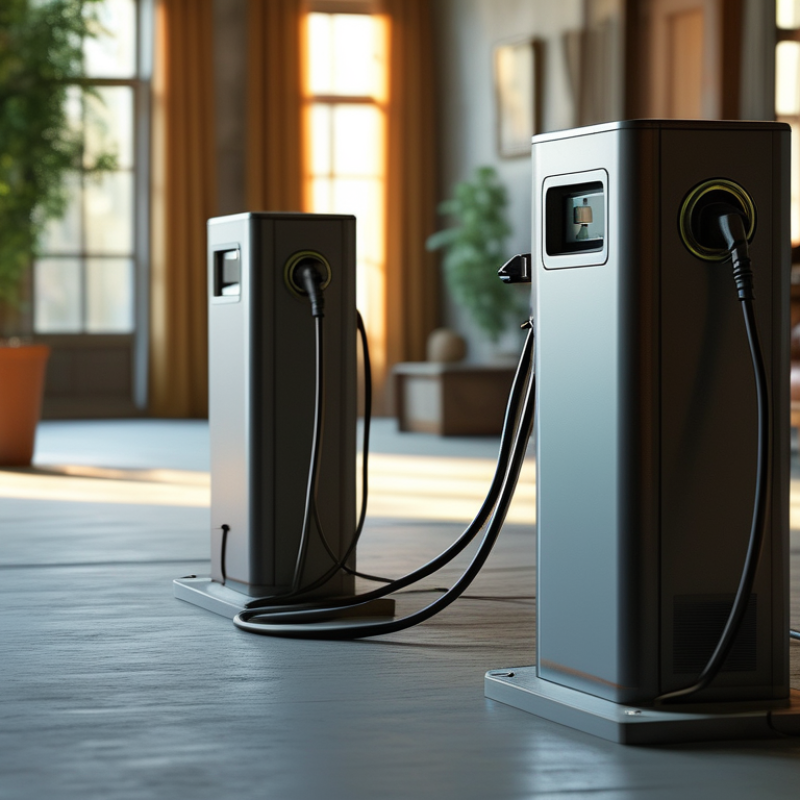
Understanding Level 1 Chargers: Features and Benefits
Understanding Level 1 chargers is crucial for EV owners. These chargers are typically standard household outlets, delivering around 120 volts. They offer a convenient option for overnight charging. According to the U.S. Department of Energy, Level 1 chargers can provide 3 to 5 miles of range per hour of charging. This means it could take a full night to charge certain electric vehicles, depending on the battery size.
One benefit of Level 1 chargers is their accessibility. Almost every home has the required outlet, making it easy to set up. However, the slow charging speed may not meet everyone's needs, especially for users with longer commutes. For example, data from the Electric Power Research Institute indicates that about 65% of electric vehicle owners drive under 40 miles daily. For these users, Level 1 may be sufficient, but others may find it frustrating.
Another important aspect to consider is cost. Level 1 chargers do not require additional installation costs for special equipment. However, the longer charging times could lead to increased wait periods. Some users might end up reliant on public charging stations, which could be less convenient and potentially more expensive. Not all situations are ideal for Level 1 charging, and understanding its limitations is vital for effective electric vehicle management.
Exploring Level 2 Chargers: Faster Charging Solutions
Level 2 chargers are transforming the electric vehicle (EV) charging landscape. These chargers deliver power at a rate of 240 volts, making them significantly faster than Level 1 options. On average, a Level 2 charger can replenish an EV battery at a rate of 25 miles of range per hour, according to the U.S. Department of Energy. This efficiency meets the demands of daily commutes for most EV users.
Many homes are now equipped with Level 2 chargers, reflecting a shift in consumer preferences. A study by the International Energy Agency indicates that 50% of EV owners have access to Level 2 charging. This growth trend underscores the importance of fast charging solutions in promoting EV adoption. However, installation costs can pose challenges, often ranging from $1,000 to $2,000. Homeowners face decisions that can seem overwhelming when considering electric infrastructure.
Despite the advantages, not all Level 2 chargers are created equal. Variability in charging speeds and compatibility might confuse users. Furthermore, regional power supply disparities can affect performance. While Level 2 chargers generally enhance convenience, detailed research is crucial before selecting a system. The right choice can significantly influence overall satisfaction with the EV experience.
Comparative Analysis: Level 1 vs Level 2 Charging Speed
When it comes to charging electric vehicles, understanding the differences between Level 1 and Level 2 chargers is crucial. Level 1 chargers typically utilize a standard household outlet. They provide around 4 to 5 miles of range per hour of charging. Ideal for overnight charging, the convenience can become a drawback for users needing quick replenishment. A downside is the lengthy time it takes to fully charge an EV, which can be impractical for daily use.
On the other hand, Level 2 chargers operate at 240 volts, offering significantly faster charging speeds. They can deliver around 25 to 30 miles of range per hour. This option is often found in public charging stations and can also be installed at home. The initial investment is higher, but the time savings can be worth it. However, some may find it challenging to integrate a Level 2 charger into their home setup.
Both charging options have their pros and cons. Level 1 is easy and inexpensive to use, but it may not meet everyone’s needs. Level 2 is efficient, yet the installation process may require professional help. Users must weigh these factors carefully to choose what aligns best with their lifestyle.
Cost Considerations: Installation and Operational Expenses
When considering electric vehicle charging, costs are a vital factor. Level 1 chargers, typically using a standard outlet, have lower installation fees. However, charging times are longer. If you’re always on the go, this might not be ideal. The operational costs for Level 1 are minimal, making it an appealing choice for less frequent users.
On the contrary, Level 2 chargers might require professional installation. This can lead to higher upfront costs. Yet, they provide quicker charging. For those who drive frequently, added efficiency could justify the expense. You may find that your savings on time outweigh the costs.
It's important to reflect on your charging habits. If you charge daily, a Level 2 might be worth it. But for occasional users, a Level 1 option could suffice. Weighing the benefits against the costs ensures an informed decision. Understanding your specific needs will help you choose the right charger.
Practical Tips for Choosing Between Level 1 and Level 2 Chargers
When choosing between Level 1 and Level 2 chargers, several key factors come into play. Level 1 chargers plug into standard household outlets, delivering about 4 to 5 miles of range per hour. This means that overnight charging can get you a full battery, but it may not be ideal for those with longer commutes. On the other hand, Level 2 chargers offer more robust performance, providing 10 to 60 miles of range per hour. This makes them perfect for busy lifestyles and electric vehicle (EV) owners with daily driving needs.
According to the U.S. Department of Energy, approximately 80% of EV owners charge at home. Understanding your charging habits is crucial. If you drive short distances daily, a Level 1 charger may suffice. However, for those needing quick top-ups, Level 2 chargers represent a more efficient solution. It's important to consider installation costs as well. While Level 1 chargers are cheaper to set up, Level 2 installations can reach several thousand dollars. High-quality installation is essential for maximizing charging efficiency and safety.
Many users overlook the importance of amperage ratings too. Level 2 chargers come in various amperages, affecting charging speed and cost. It’s easy to get lost in preferences, yet focusing on practical needs will lead to better satisfaction. Research suggests that understanding one’s driving patterns is just as important as the charger type. Evaluate your daily routine. What works for one may not work for all. This reflection can lead to more informed choices in a rapidly evolving market.
FAQS
: Level 2 chargers operate at 240 volts and charge electric vehicles (EVs) faster than Level 1 chargers.
They replenish about 25 miles of range per hour, which is more efficient for daily commuting.
Installation can range from $1,000 to $2,000, and users may find this cost overwhelming.
No, charging speeds and compatibility vary among Level 2 chargers, which can be confusing for users.
If you have short daily commutes, a Level 1 charger may be sufficient, especially for overnight charging.
Level 2 chargers offer faster charging times, making them ideal for busy lifestyles and daily driving needs.
Consider your driving habits and the installation costs. What works for one person may not work for another.
Yes, proper installation ensures efficiency and safety, so it’s often recommended to seek professional help.
Evaluate your daily routine and driving patterns. This reflection helps in making informed decisions.
Yes, some users may find it challenging to integrate a Level 2 charger into their home setup.
Conclusion
This article provides a comprehensive guide to understanding the differences between Level 1 and Level 2 chargers, addressing the question, "What is the difference between Level 1 and Level 2 chargers?" Level 1 chargers, typically using a standard household outlet, are convenient for slow charging but may not meet the needs of those with high daily mileage. On the other hand, Level 2 chargers offer faster charging solutions, making them more suitable for frequent use and longer journeys.
The article also delves into practical considerations, including installation costs and operational expenses associated with each type of charger. By providing a comparative analysis of charging speeds and offering practical tips, readers can make informed decisions about which charging option best fits their lifestyle and budget. Ultimately, understanding these differences empowers electric vehicle owners to choose the most efficient and economical charging solution for their needs.
 VoltNode Charger
