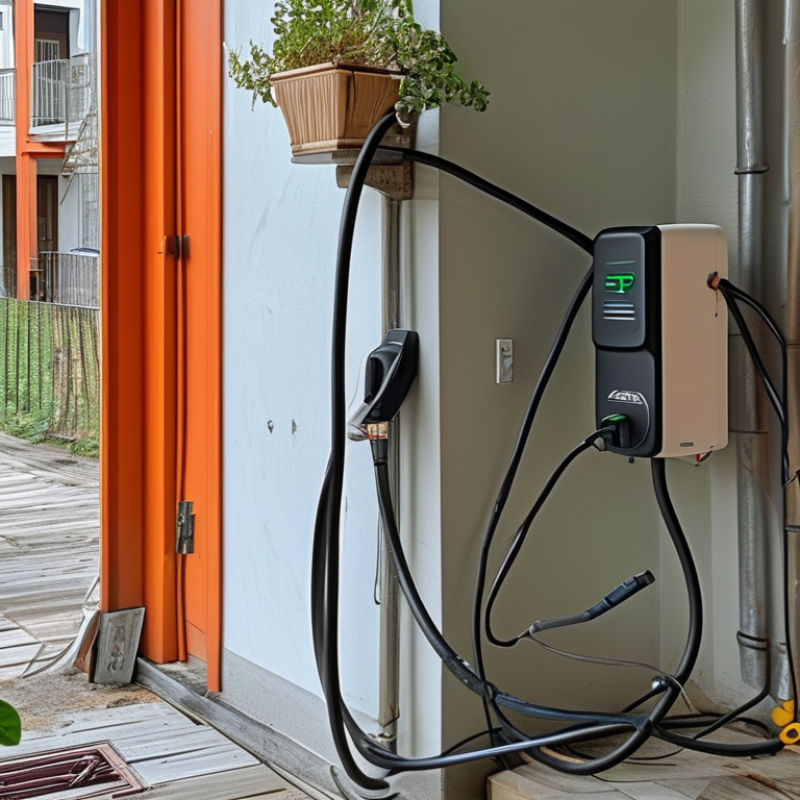
As electric vehicles (EVs) gain popularity, many apartment dwellers wonder, "Can I install an EV charger if I live in an apartment?" This question is significant, especially in 2026, as cities push for greener solutions and charging infrastructure improves.
Installing an EV charger in an apartment presents unique challenges. Limited space and shared facilities often complicate the process. Apartment owners may need permission from landlords or homeowners' associations. Moreover, building codes and electrical capacity can vary greatly, impacting installation feasibility.
Considering these factors, it's essential to assess your specific situation carefully. Research local regulations and talk to your landlord about your options. Balancing convenience with the limitations of apartment living is crucial. Ultimately, solutions like shared charging stations may offer a practical alternative for many renters.
Can I Install an EV Charger in My Apartment in 2026?
Installing an EV charger in an apartment in 2026 can be a complex process. Many factors influence whether this is possible. First, check with your landlord or property management. They often have policies regarding modifications, especially electrical installations. Communication is key to understand any restrictions.
Tips: Research local regulations. Some municipalities require specific permits for EV charger installations. Knowing these laws can help you avoid delays.
Another consideration is your building's electrical capacity. An assessment may be necessary to determine if your apartment can support the additional load. If the infrastructure is outdated, upgrades may be needed. This can lead to unexpected costs.
Tips: Explore shared charging options. Some buildings may set up communal charging stations. These can be a great alternative if individual installations are not permitted.
Ultimately, patience is essential. The process may involve multiple conversations and assessments. Be prepared to adapt your plans based on the feedback you receive. Stay informed about evolving regulations and technology. This knowledge will help you in your quest for an EV charger.
The chart above shows the projected percentage of apartment owners considering EV charger installation from 2023 to 2027. As electric vehicle adoption increases, more owners are expected to plan for installing chargers in their apartments, indicating a growing trend in EV infrastructure readiness.
Understanding Apartment Building Regulations for EV Charger Installations
Installing an electric vehicle (EV) charger in an apartment can be challenging. Many regulations dictate what can be done, especially in densely populated areas. The National Apartment Association reports that more than 70% of apartment dwellers face restrictions on modifications to their units. This can complicate EV charger installations.
Understanding building policies before attempting to install a charger is vital.
One essential step is to review your apartment’s governing documents. These often include bylaws, rules, and regulations that clarify what modifications are permitted. Additionally, the availability of electrical infrastructure varies widely. Not every building has the necessary capacity to support EV chargers.
A 2023 study found that only 40% of multifamily buildings are equipped with sufficient electrical load for EV charging.
Tip: Engage with your property management early. Open lines of communication can expedite the installation process. It’s also worth discussing with fellow residents; collective requests may carry more weight.
Finally, consider alternate charging solutions, like using public charging stations, until your building’s regulations change. This might take time.
Reflect on the evolving nature of urban living, and explore all available options before making decisions.
Assessing the Demand for EV Charging Stations in Multi-Family Residences
As electric vehicles (EVs) gain popularity, the need for
charging stations in multi-family residences becomes more pressing.
Many apartment dwellers are eager to install EV chargers. However, assessing the demand is crucial. Will enough residents
use the chargers? What about the costs?
In urban settings, apartments may face space limitations. Some complexes lack adequate electrical infrastructure.
This can complicate installation efforts. Residents must engage with property management early in the process.
It can lead to beneficial discussions about shared charging solutions. Collaborating with neighbors might also open up options.
Tips:
- Consider advocating for shared charging stations.
- By pooling resources, costs can be reduced for all.
- Research local incentives for EV infrastructure. Many areas offer grants that can alleviate expenses.
- Always remain flexible. Plans might need adjustments based on feedback from the apartment community.
Evaluating Cost Implications for Installing EV Chargers in Apartments
Installing an EV charger in an apartment can be a complex decision. In 2026, many apartment residents may find the need for convenient charging solutions. However, understanding the cost implications is crucial. The initial cost of installation can vary significantly. You might face expenses for wiring, permits, and potentially upgrading electrical systems.
Moreover, not all apartments have designated parking spaces for charging. This issue could lead to additional costs for homeowners’ associations or landlords. Before proceeding, it’s essential to engage with management. Dialogue about shared costs will help determine feasibility. It's also wise to consider the long-term benefits of owning an EV.
While there are incentives for green energy solutions, they may not cover all expenses. Additional costs can include maintenance and potential increases in utility bills. Each scenario requires careful budgeting and evaluation. Residents should weigh their options, as challenges abound in securing charging stations. Clarity on costs and careful planning will guide the decision-making process effectively.
Exploring Incentives and Grants for EV Charger Installations in 2026
In 2026, installing an EV charger in an apartment might become more practical. Many cities are pushing for greener energy solutions. However, the challenge remains for tenants. Do you have permission from your landlord? Is there enough space? These concerns are essential to address.
Incentives and grants are emerging to support EV charger installations. Local governments are incentivizing residents to reduce carbon footprints. This financial support could ease installation costs significantly. Details may vary based on your location. Research local programs to find specific benefits available to you.
While the idea sounds promising, hurdles exist. Not all apartments have the infrastructure for EV chargers. Some landlords may be reluctant to permit installations. These uncertainties create a complex landscape. Understanding regulations and incentives in your area could make the difference. Keep up with evolving guidelines to stay informed about this growing trend.
Projected Trends in EV Adoption and Infrastructure Needs in Urban Areas
Urban areas are seeing rapid growth in electric vehicle (EV) adoption. By 2026, it's projected that over 26 million EVs will be on U.S. roads, according to the International Energy Agency. This surge will demand increased charging infrastructure in cities. As more residents live in apartments, the need for accessible EV chargers becomes urgent.
Many apartment complexes are adapting to this trend. A report from the National Apartment Association shows that 30% of new properties planned to include EV charging stations by 2025. This trend reflects growing awareness, but it raises questions. How do landlords balance installation costs with tenant needs? What happens if the infrastructure lags behind?
Not all apartments will get chargers by 2026. Many lack the necessary electrical capacity. Another concern is the allocation of space for chargers in crowded urban environments. Residents may need to advocate for their needs. EV adoption will drive change, but the path is not straightforward. Infrastructure growth must keep pace with consumer demand to avoid disappointment.
FAQS
: Tenants may lack permission from landlords. Space limitations can also hinder installations.
Financial support from local governments can reduce installation costs significantly. Research local programs to find specific benefits.
Over 26 million EVs may be on U.S. roads. Cities will need more charging infrastructure to support this growth.
No, many apartments may not have the necessary electrical capacity. Space allocation is also a concern.
About 30% of new properties plan to include EV charging stations by 2025. This response reflects growing awareness.
Understanding regulations is crucial. Residents should consider the cost and logistical challenges of installations.
Landlords need to balance costs with tenant needs. The financial aspect can complicate approvals for installations.
Residents may need to voice their needs to management. Advocacy can help improve the situation for all tenants.
Conclusion
In the near future, as electric vehicles become increasingly popular, many apartment residents may find themselves wondering, "Can I install an EV charger if I live in an apartment?" The answer involves navigating a variety of factors, including understanding local regulations governing apartment building installations, assessing the demand for EV chargers among multi-family residences, and evaluating the associated costs.
Furthermore, potential incentives and grants available in 2026 may facilitate the installation process, making it a more viable option for renters and homeowners alike. With projected trends indicating a significant increase in EV adoption and the corresponding need for charging infrastructure in urban areas, the prospects for installing EV chargers in apartments are likely to improve, allowing more residents to access convenient charging solutions.
 VoltNode Charger