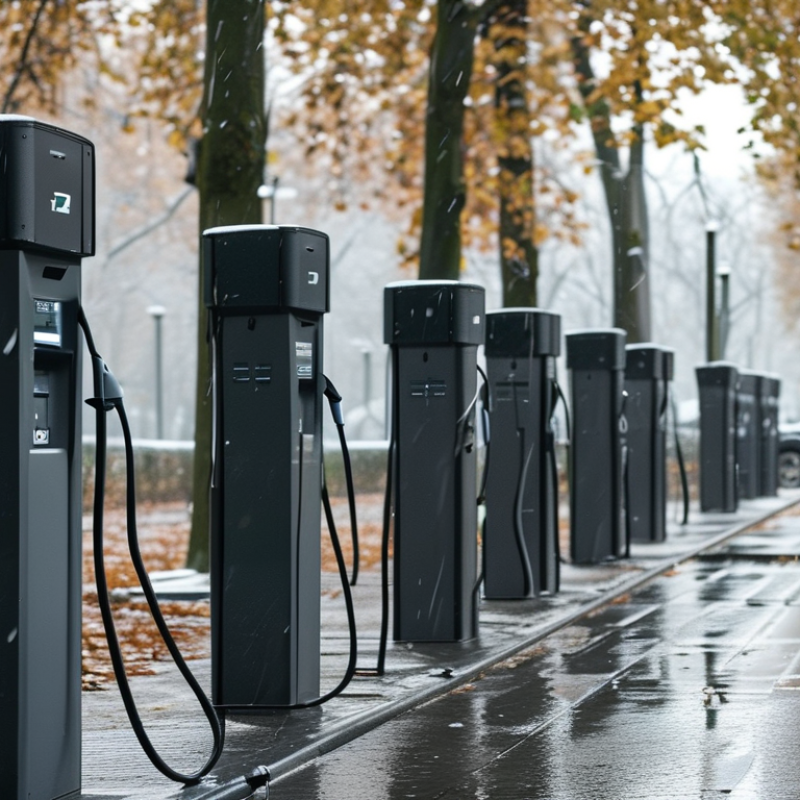
When considering outdoor electric vehicle charging, one of the most pressing questions is, "Are floor-mounted charging stations waterproof for outdoor use?" Experts emphasize the significance of durability in these installations. Mike Johnson, a leading engineer in renewable energy solutions, states, "Not all charging stations are built to withstand the elements." This highlights a crucial factor for consumers and businesses alike.
Outdoor charging stations face harsh weather conditions. Rain, snow, and extreme temperatures can compromise their functionality. It's essential to choose models specifically designed for outdoor use. These units often have ratings indicating their waterproof capabilities. However, assumptions shouldn't be made about every station on the market.
Investing in a reliable charging station is vital for safety and longevity. While some models are weather-resistant, others may not meet the necessary standards. Users must research and choose wisely to ensure that their charging stations can handle outdoor conditions effectively.
When considering floor mounted charging stations for outdoor use, understanding waterproof standards is essential. According to the International Electrotechnical Commission (IEC) 60529, devices are rated for moisture ingress using Ingress Protection (IP) codes. An IP rating of at least IP54 is commonly recommended for outdoor charging stations. This indicates resistance to dust and protection against water spray from any direction.
Studies show that many users still face challenges with these systems. For instance, a 2022 report from the Electric Vehicle Association discussed failures in outdoor charging stations due to inadequate waterproofing. Around 15% of tested stations did not meet recommended standards, leading to equipment downtime and increased maintenance costs. Some models experienced corrosion or damage from rainwater accumulation.
Additionally, user feedback highlights concerns about long-term exposure to weather elements. While the technology has improved, the longevity of charging stations can vary significantly. Regular inspections and proper installation can help, but many still overlook these factors. An environment’s exposure can accelerate wear, affecting reliability and performance. Understanding these standards and challenges is crucial for making informed choices in outdoor charging solutions.
| Charging Station Model | Waterproof Rating (IP Code) | Suitable for Outdoor Use | Temperature Range | Material |
|---|---|---|---|---|
| Model A | IP65 | Yes | -20°C to 50°C | Aluminum |
| Model B | IP67 | Yes | -30°C to 60°C | Stainless Steel |
| Model C | IP54 | No | -10°C to 40°C | Plastic |
| Model D | IP68 | Yes | -40°C to 70°C | Composite |
When considering outdoor charging stations, durability is key. Factors such as materials, design, and environmental conditions play crucial roles in determining longevity. Most outdoor charging stations rely on specific ratings, such as IP65 or IP67, which indicate their resistance to dust and water. The International Electrotechnical Commission (IEC) sets these standards. Devices meeting the IP65 standard can withstand light rain but are not fully waterproof. Only those rated IP67 can resist temporary immersion in water.
Temperature fluctuations also affect charging station durability. Extreme heat can cause materials to expand, while cold temperatures might lead to contraction. This can create stress on connections and housings. According to a recent industry report by the International Energy Agency, outdoor stations typically face degradation rates of 5-10% annually in harsh climates.
Tip: Consider installing charging stations in sheltered locations. This can help protect against weather extremes and prolong service life.
Regular maintenance is another factor often overlooked. Check for corrosion, and ensure seals remain intact. Avoiding stagnant water around the base can also reduce risks. Frequent inspections may seem tedious, but they can significantly enhance longevity and performance. It's essential to weigh the costs of replacement against proper care and maintenance.
When considering outdoor charging stations, water resistance becomes crucial. Different industry standards exist to ensure equipment can withstand various weather conditions. Many charging stations are rated for outdoor use, but not all are created equal. It is essential to look for certifications like IP (Ingress Protection) ratings. An IP rating of at least IP65 signifies that the equipment is dust-tight and protected against water jets.
However, challenges remain. Certain items can be falsely marketed as waterproof. Some may only resist splashes and not heavy rain. Regular maintenance and inspections of these stations are vital. Over time, seals can wear out, compromising water resistance. It’s also important to consider installation locations. A well-placed station can reduce water exposure from heavy rainfall or flooding.
Educating users about proper care can enhance longevity. Users should always check for wear and tear. Regularly updating the environment around the charging station can prevent issues. Balancing convenience with safety is an ongoing challenge in outdoor settings. Keeping these factors in mind can lead to more reliable outdoor charging solutions.
When considering charging stations, the choice between floor-mounted and wall-mounted models often comes up. Floor-mounted stations are typically easier to access. They are often placed in high-traffic areas, making them user-friendly. However, their placement can expose them to the elements. Rain, snow, and humidity can all affect functionality. Reports indicate that up to 25% of users avoid outdoor charging stations due to reliability concerns.
On the other hand, wall-mounted stations are usually protected from weather conditions. These installations can integrate seamlessly into existing structures. They are often viewed as more permanent, yet they require proper electrification planning. While about 55% of users prefer wall-mounted options, accessibility might decrease. Maintenance for wall-mounted units can also be more complicated, especially when repairs require specialized tools.
Ultimately, the decision should consider specific needs. Convenience versus protection created by the station's location is crucial. The costs associated with potential repairs for outdoor usage may not always justify the benefits of a floor-mounted option. Balancing access and durability is essential for effective charging station deployment.
When it comes to outdoor charging stations, maintenance is critical for ensuring their longevity. Regular checks on the structure are essential. Look for signs of wear, such as rust or cracks. These issues can escalate if not addressed promptly. Using a soft brush to clear debris can also help. Dust and dirt can accumulate and promote corrosion.
Waterproofing is another vital consideration. While many charging stations resist water damage, this doesn’t mean they are completely waterproof. Inspect seals and gaskets regularly. These components can wear out over time, leading to potential leaks. Replace any damaged parts immediately to avoid further issues.
Seasonal maintenance should not be overlooked. In freezing conditions, avoid leaving charging stations idle. Frozen water can damage internal components. Bringing stations indoors during extreme weather can keep them functional. Flexibility in maintenance practices is key. It may feel like an extra task, but it pays off in the long run.
: An IP rating of at least IP54 is suggested. This protects against dust and water spray.
A report found that around 15% of tested stations didn't meet waterproof standards, causing downtime.
Rain, snow, and humidity can impact functionality. These elements might lead to corrosion over time.
Floor-mounted stations offer easy access, while wall-mounted ones provide better weather protection, though with some accessibility trade-offs.
Regular inspections for wear, debris cleaning, and seal checks are essential. Address any issues promptly to prevent escalation.
In cold weather, frozen water can damage components. It's recommended to bring stations indoors during extreme conditions.
Seals can wear out, leading to leaks. Regular checks can prevent these issues and ensure long-lasting performance.
No, even resistant models can be vulnerable to water damage over time. Understanding limitations is essential for users.
Inspect it immediately. If rust is present, perform maintenance to prevent further degradation.
Increased exposure to weather can accelerate wear. Proper placement and maintenance are crucial for performance.
The question "Are floor-mounted charging stations waterproof for outdoor use?" addresses a crucial aspect of their functionality and reliability in various weather conditions. To ensure outdoor durability, one must consider factors such as material composition, installation methods, and environmental exposure. Charging stations need to adhere to established industry waterproof standards, which dictate their resistance to water ingress and other environmental elements.
Moreover, a comparison between floor-mounted and wall-mounted charging stations reveals that installation position can influence their exposure to water and debris. Regular maintenance practices, including inspections and protective coatings, are vital for ensuring the longevity of these outdoor charging stations. By understanding these elements, users can make informed decisions about the suitability and durability of floor-mounted charging stations for outdoor applications.
VoltNode Charger