 VoltNode Charger
How to Convert a 220V Outlet for EV Charging Safely?
As electric vehicles (EVs) gain popularity, the demand for efficient charging solutions is on the rise. According to a report by the International Energy Agency, the number of electric cars on the road is expected to reach 145 million by 2030. This surge emphasizes the need for accessible charging options at home. Many homeowners are considering how to convert a 220V outlet for EV charging.
Converting a standard outlet can enhance charging speed significantly. A 220V outlet provides faster charging compared to common 120V options. However, safety is paramount during this process. Properly assessing your home’s electrical capacity and compliance with local codes is crucial. Many homeowners overlook these aspects, leading to possible hazards.
Engaging with professionals can help ensure safe conversion. It may seem straightforward, but DIY approaches often miss important safety measures. Reliability in this area is critical, as electrical mishaps can result in damage or even injury. Understanding how to convert a 220V outlet for EV charging is not just about speed; it’s about ensuring the overall safety and longevity of your electrical system.
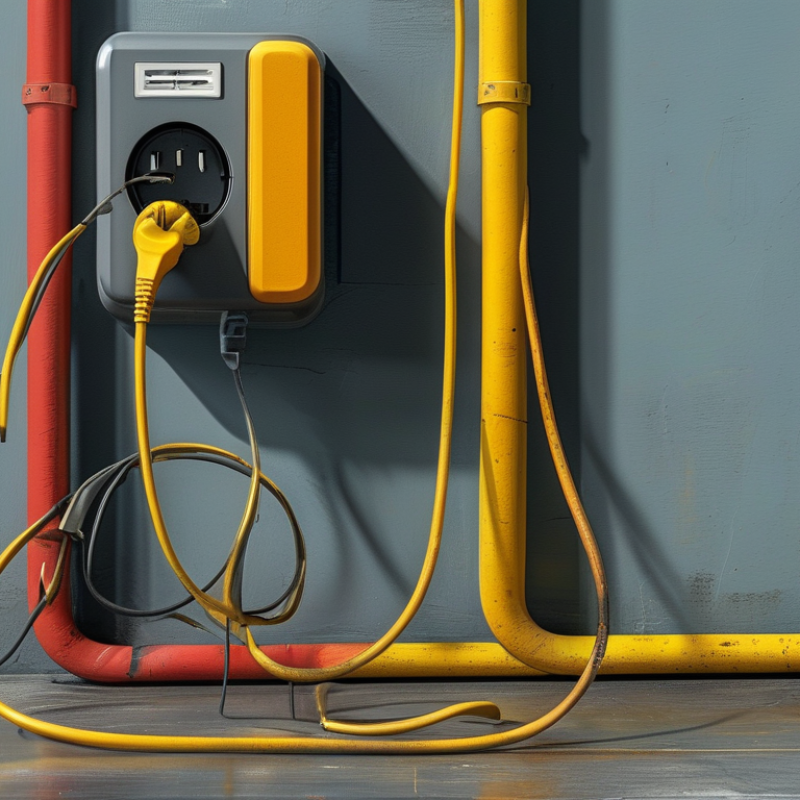
Understanding the Basics of 220V Outlets for EV Charging
Understanding the basics of 220V outlets for EV charging is essential for safe and efficient use. A 220V outlet typically provides more power than standard 110V outlets. This allows EVs to charge more quickly. Familiarizing yourself with the specifications of your particular outlet is crucial. Each outlet has unique wiring and amperage ratings that can affect charging speed and safety.
Proper installation is a key aspect of using a 220V outlet for EV charging. Many homeowners may not have the expertise to perform such work. Wiring mistakes can lead to overheating and fire hazards. It’s advisable to consult a certified electrician. They can ensure all safety standards are met. Additionally, you'll need to determine if your home’s electrical system can handle the increased load. Sometimes, upgrades to the circuit breaker or wiring are necessary.
Consideration of plug types and charging equipment is also vital. Not all EVs are compatible with every 220V outlet. Some might require adapters or special plugs. Always check compatibility before proceeding with charging. Reflecting on your experience with charging can also unveil areas that need improvement. Are you utilizing your outlet efficiently? Regular evaluations can enhance your charging practices and contribute to long-term safety.
How to Convert a 220V Outlet for EV Charging Safely? - Understanding the Basics of 220V Outlets for EV Charging
| Aspect | Details |
|---|---|
| Voltage Type | 220V AC |
| Common Uses | Electric Water Heaters, Industrial Equipment, EV Charging |
| Wire Gauge Recommendation | At least 10 AWG for safety |
| Circuit Breaker Size | 20-30 Amp |
| Installation Requirements | Proper grounding, GFCI protection recommended |
| Charging Time for EV | Approximately 4-8 hours for a standard charge |
| Safety Precautions | Ensure qualified electrician performs installation |
| Cost Estimate | $300 - $900 for installation |
FAQS
: You need a circuit tester, multimeter, heavy-duty cable, and safety equipment like insulated wire strippers.
Safety gear prevents electrical shock and protects your home’s electrical system from potential hazards.
Conduct a thorough inspection of the outlet, check circuit ratings, and verify wiring integrity before use.
Look for proper ratings, wear signs on wiring, and ensure connections are firm to avoid overheating issues.
Grounding protects against electrical faults and is crucial for preventing damage to your EV and system.
It's best to consult a licensed electrician for guidance and to ensure a safe and reliable installation.
Use a multimeter for consistent voltage output and a non-contact voltage tester to find live wires safely.
No, rushing can lead to using inadequate materials and creating dangerous situations. Take time to reflect on safety.
Improper installation can lead to hazards like electrical fires, costly repairs, or worse injuries.
Yes, check local regulations as they may have specific requirements for electrical installations in your area.
Conclusion
In the article "How to Convert a 220V Outlet for EV Charging Safely," readers are guided through the essential steps needed for a successful and safe conversion. The initial section emphasizes the importance of understanding 220V outlets, particularly their compatibility with electric vehicles (EVs). It encourages homeowners to assess their current electrical systems to ensure they can support the added load required for EV charging.
The article then outlines the necessary tools and materials needed for the conversion process, followed by a detailed step-by-step guide designed to ensure safety throughout the installation. Finally, it highlights the importance of testing and verifying the installation before using the outlet for EV charging. This comprehensive approach not only emphasizes safety but also ensures efficient and effective EV charging at home.
