China Best Commercial EV Charger RFID Cards How They Work?

Time:2026-11-22 Author:Aria
0%

Commercial EV charging depends on more than power output. Operators also need a reliable way to identify drivers, authorize sessions, and track energy use. That is where RFID cards come in. A driver taps a card near the charger’s reader. The system checks its identifier against an approved account, then allows or rejects the session. Simple at the connector. More complex behind the scenes.

How do RFID cards work with commercial EV chargers? The answer involves the card, reader, charger, and charging management platform. When connectivity is available, the charger can verify access and report session details to the platform. If the network drops, outcomes depend on the charger’s configuration and stored authorization data. That detail matters in depots, workplaces, and public charging sites. A green light does not always mean every back-office record is complete.

“[Insert a verified quotation from a named commercial EV charging or RFID expert here.]” A published source is needed before assigning this statement to a real person. That small pause protects readers from invented authority.

For fleet managers, the practical questions are concrete: Can one card work across multiple sites? How quickly can a lost card be disabled? Which users can access which chargers? The answers depend on the charger, software, and provider—not RFID alone. RFID is convenient. It is not magic. This guide explains how the pieces fit together, what to check before choosing a system, and where operators can still encounter friction.
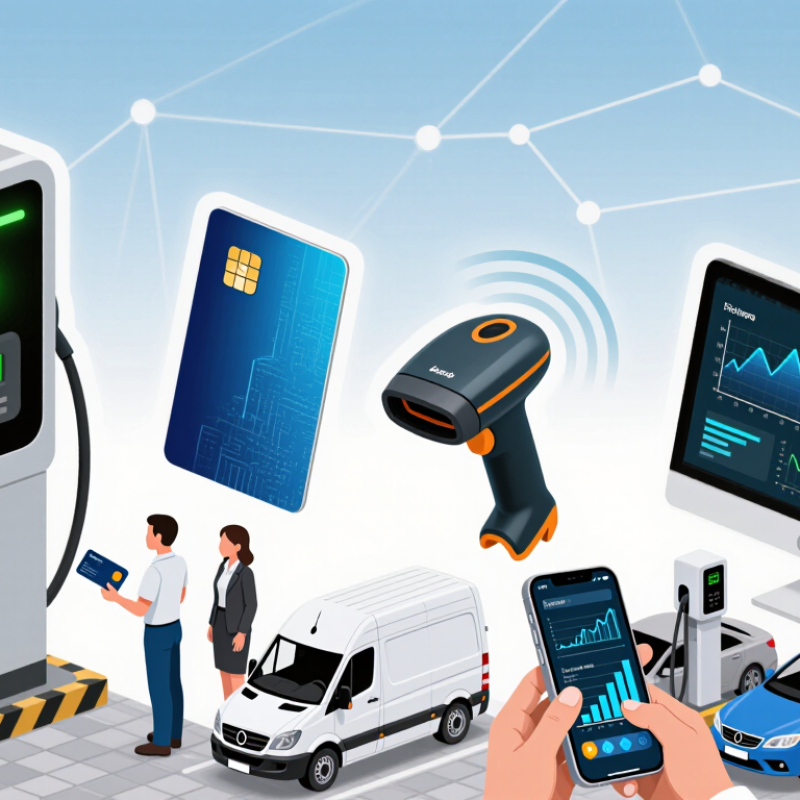
China Best Commercial EV Charger RFID Cards How They Work?

What RFID Cards Are Used for in Commercial EV Charging

China Best Commercial EV Charger RFID Cards How They Work?

What RFID Cards Are Used for in Commercial EV Charging

In a commercial charging area, an RFID card gives a driver a simple way to start an approved session. Tap, wait, charge. A reader near the charger scans the card’s identifier and sends it to the charging system. The system checks whether that credential is active and permitted to use that charger.

The card usually identifies an account, not a payment card. A fleet manager can assign cards to drivers or vehicles, set access permissions, and review session records. For example, a depot may allow staff cards to use overnight chargers while reserving other units for visitors. Usage data can support cost allocation and help operators spot repeated failed sessions.

RFID is convenient, not magic. Cards must be enrolled correctly, and lost cards should be disabled promptly. If network access drops, a charger’s behavior depends on its configuration; some may reject a new session. That detail is easy to miss during installation. In practice, card management can feel less tidy than a diagram suggests, especially when staff change roles. Operators should also limit access to charging records and explain how those records are used.

How RFID Cards Work in Commercial EV Charging

An RFID card or tag provides a credential when tapped on a compatible charger. The charger reads it and checks authorization locally or with a charging network. If approved, the charging session can start; the credential can also help link the session to a user or account. The chart shows workflow order, not time or usage share.

Key Components of an EV Charger RFID Access System

A commercial EV charger RFID access system has several working parts. The RFID card or tag stores an identifier, while a reader and antenna detect it when the user taps near the charger. The reader sends that identifier to a controller inside the unit. The controller checks whether the card is authorized, either from stored permissions or through a connected management system. If access is approved, the charger can begin a session after the vehicle is connected. Simple, but every step matters.

The controller also communicates with the charger’s power electronics and records session details, such as start time and energy used. A network connection can help operators update access lists and review charging activity. If the connection drops, behavior depends on the system’s offline settings; some chargers may accept previously stored credentials, while others may deny access. RFID is not magic. Poor reader placement, damaged cards, or unclear user instructions can cause frustrating failed taps. I would test these details on site, because real-world conditions can be messier than a specification sheet suggests.

Tips: Keep cards dry and tap them close to the reader. Label issued cards clearly, and confirm how access works during network outages. If a tap fails, check the charger’s indicator before trying again.

How an RFID Card Authenticates a Charging Session

At a commercial charging site, an RFID card acts as an identity token. The driver holds it near the charger’s reader, often marked by a contactless symbol. A beep or screen message usually confirms the card was read. The card does not deliver power or prove who is holding it. It provides an identifier for the charging system to check.

The charger sends that identifier to its control system, either locally or through a connected backend. The system checks whether the card is active, permitted at that site, and linked to an account or fleet. If approved, the charger unlocks the connector and records the session start time, meter reading, and charger ID. If the network is unavailable, behavior depends on configuration. Some chargers can check an offline list; others may decline access. Small setup details matter.

During charging, the meter tracks the energy delivered. When the driver taps again, unplugs, or the vehicle ends the session, the system closes the record and links usage to the same card. Operators should test card permissions, network coverage, and on-screen instructions. A tap can fail. Causes include a damaged card, poor reader placement, or an outdated account setting. RFID is convenient, but not infallible. Clear fallback instructions are easy to overlook.

How Chargers Manage Access, Billing, and Charging Records

China Best Commercial EV Charger RFID Cards: How They Work?

How Chargers Manage Access, Billing, and Charging Records

Commercial EV chargers use RFID cards to identify an account when a driver taps the reader. The charger checks the card’s ID against an access list or a connected management system. If approved, charging starts. A beep or screen message confirms the session.

During charging, the system can record the card ID, charger number, start and stop times, and energy delivered in kilowatt-hours. Operators use these records to calculate fees, review usage, and answer billing questions. Rates may depend on energy, time, or a set fee. Clear rates matter. A receipt should match the session record, although network delays can make updates appear later.

Some chargers can approve cards offline when valid IDs and settings have been saved in advance. Stored sessions can sync when the connection returns. Operators should test this process, check charger clocks, and deactivate lost cards promptly. Small errors matter. An RFID record identifies a card, not necessarily the person holding it, so operators should review access logs and correct inaccurate session details.

Security and Administration of RFID Cards in China’s EV Networks

Commercial EV charging networks in China use RFID cards to link a driver or fleet account with a charging session. At a station, the driver taps a card near the reader, and the charger checks whether that account is authorized. The session record can then show the charger, time, and energy used. That is practical. For fleet managers, separate cards can help allocate costs across vehicles or shifts.

Security depends on more than the card itself. Operators should assign access by role, protect account data, and remove lost cards promptly. Clear procedures matter when staff leave or vehicles change hands. Some chargers may have limited connectivity, so operators should understand how authorization works during an outage. Not foolproof. A shared card can still make it harder to identify who charged a vehicle, and records may need manual review.

Tips: Keep a current card register with assigned users, issue dates, and status. Test a replacement card before a busy shift, and check that revoked cards no longer start sessions. Review unusual charging times or repeated failed taps. Small checks help. It is easy to overlook an outdated card list, especially when a depot is growing quickly.

FAQS

What does an RFID card do at a commercial EV charger?

It provides an identifier for the charging system to check. It does not deliver power or prove who is holding it.

How does a charger approve an RFID card?

The reader sends the card’s identifier to a controller or connected system. It checks whether the card is active and permitted at that site.

What happens after access is approved?

The charger may unlock its connector after the vehicle is connected. It records details such as the start time, charger ID, and energy used.

Can an RFID card work during a network outage?

That depends on the charger’s settings. Some accept stored credentials; others deny access. Check the offline instructions before a busy shift.

What details can a charging session record include?

Records may include the card identifier, charger, start time, and energy delivered. The system closes the record when charging ends.

Why might a card tap fail?

A damaged card, poor reader placement, or outdated account settings can cause problems. Check the indicator. Try a careful tap.

How can operators manage cards more securely?

Assign cards by role and keep a current register of users and card status. Remove lost cards promptly. Small checks matter.

How can RFID cards help fleet managers?

Separate cards can help allocate charging costs across vehicles or shifts. Shared cards make it harder to identify individual usage, so records may need review.

Conclusion

This article explains how RFID cards enable secure and convenient access to commercial EV charging. How do RFID cards work with commercial EV chargers? A card contains an identifier that a charger’s reader can detect when the user taps it. The charger checks that identifier against an access system, which may be hosted locally or managed through a network. If access is approved, the charging session can begin; otherwise, the charger can remain unavailable to that user. The process connects the card, reader, charger, and management platform without requiring the card to store detailed billing information.

The article also covers how charging systems record session details, such as start and end times and energy used, so operators can manage usage and prepare billing. Administrators can issue or deactivate cards, assign access permissions, and review charging records. In China’s EV networks, thoughtful security and card management help protect accounts, control site access, and make commercial charging easier to oversee.

Aria

Aria

Aria is a dedicated marketing professional with a deep passion for innovative strategies and a keen understanding of our company's product offerings. With a wealth of experience in the industry, Aria excels at crafting engaging content that highlights the unique features and benefits of our......