Electric vehicles are becoming ordinary household technology, not a specialist purchase. The International Energy Agency’s Global EV Outlook 2024 reports that electric car sales approached 14 million worldwide in 2023. They also represented about 18% of global car sales. This growth creates a practical question for drivers: when should charging happen?
The answer is rarely “whenever the cable is connected.” Electricity prices can change sharply between peak and off-peak periods. The U.S. Department of Energy’s managed charging research highlights how scheduling can align vehicle demand with cheaper or less congested grid hours. Ofgem’s consumer guidance also shows that time-of-use tariffs can reward customers who shift electricity use away from expensive periods. However, savings depend on your tariff, charger, vehicle, and local network. Check the details.
This guide explains How to set up scheduled charging to save on electricity bills. It covers seven practical methods, including app-based timers, vehicle charging limits, utility tariffs, and smart-charger automation. Picture a typical evening: your car arrives at 6:30 p.m., but the charger waits until midnight. By morning, the battery is ready without consuming the highest-priced power.
Small settings matter.
Still, scheduled charging is not automatically cheaper. Some tariffs have narrow off-peak windows, while others include costly standing charges. A rushed setup can even increase expenses. Testing one week, recording kilowatt-hours, and comparing bills provides stronger evidence than assumptions. This approach reflects guidance from energy agencies and real household experience. It is useful, but not perfect. Rates change, software fails, and every home has different driving needs.
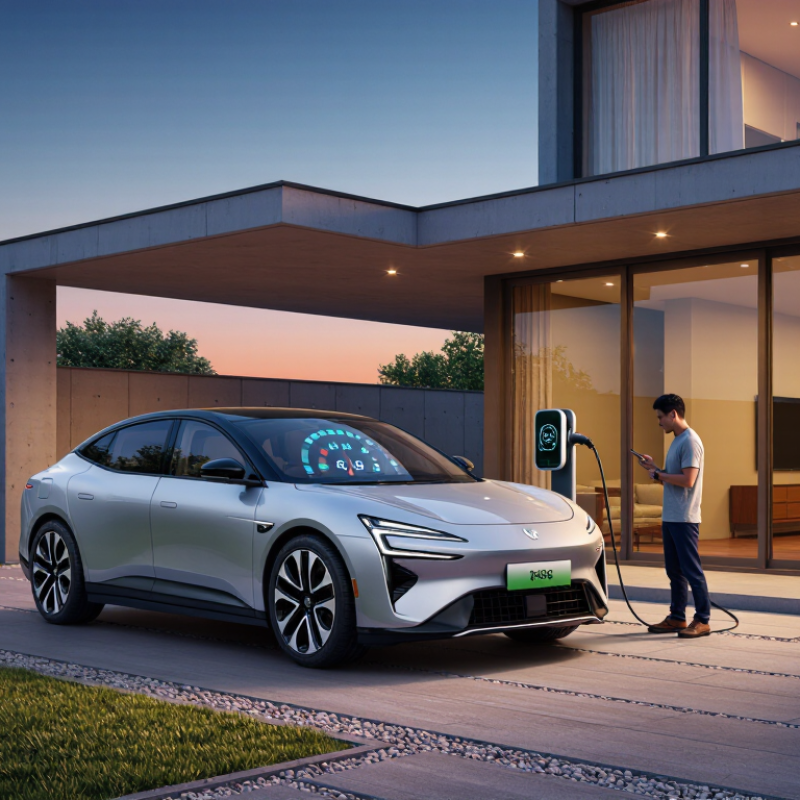
Time-of-use pricing rewards patience, but only when your schedule matches the utility’s clock. The U.S. Department of Energy advises checking published peak, shoulder, and off-peak periods before automating charging. Rates differ by utility, season, and sometimes weekday. Do not guess.
Use seven practical tactics. Check the tariff first. Set charging to begin after the evening peak. Enter a realistic departure time. Choose the lowest current that still finishes overnight. Split charging across two off-peak windows when possible. Add a weekly schedule for workdays and weekends. Review one monthly bill for timing errors. Simple settings matter.
The U.S. Energy Information Administration reported an average U.S. residential electricity price of about 16.0 cents per kilowatt-hour in 2023. A 30-kWh session could therefore cost about $4.80 at that average rate, before local differences. Off-peak savings may be meaningful, yet they are not guaranteed. DOE guidance also notes that managed charging can reduce pressure during high-demand periods. Keep the cable connection safe, and avoid charging during a utility’s critical-peak event unless necessary. I once assumed “after dinner” meant cheap; the tariff started later. That assumption was expensive. Check the bill.
Off-peak electricity can cost 20–50% less than daytime power, but savings depend on your utility tariff. A scheduled charger can use cheaper hours automatically, often after midnight or before breakfast. Check the tariff page, not a social-media estimate. Confirm the exact start time, end time, and weekday rules. Some plans change rates by season.
Set the charging window around your routine, leaving enough time before departure. For example, a battery needing 30 kilowatt-hours might charge from 1:00 to 5:00 a.m. Use the charger’s control panel, then confirm the timer with a small test. Watch the first bill. Compare scheduled usage with your previous charging pattern, not only the total amount. If charging starts immediately, the timer or tariff settings may be wrong.
Keep the installation compliant with local electrical rules. A qualified electrician should inspect unfamiliar wiring. Avoid long extension cables overnight. They can heat under rugs or near damp ground. I once set a timer for midnight, although my cheaper period began at 10 p.m. That mistake erased much of one month’s savings. Rates, battery size, weather, and charging losses all affect the final result.
Practical scheduling methods for shifting electricity use away from high-price periods while maintaining a reliable charging routine.
| No. | Charging Method | Suggested Schedule | How to Set It Up | Typical Cost Reduction | Illustrative Monthly Cost | Best For |
|---|---|---|---|---|---|---|
| 1 | Set an Overnight Off-Peak Timer | Start after 11:00 p.m. and finish before 7:00 a.m. | Use the vehicle, charger, or home-energy app to delay charging until the overnight tariff begins. | 20–50% | $45–$72 | Drivers with predictable overnight parking |
| 2 | Use a Time-of-Use Charging Window | Charge only during the utility’s lowest-priced daily period. | Check the current tariff schedule and create a recurring start and stop time. Avoid the evening peak period. | 25–45% | $50–$67.50 | Homes on time-based electricity plans |
| 3 | Delay Charging After Returning Home | Wait 2–4 hours after arrival instead of charging immediately. | Set a delayed-start timer so charging begins after the common early-evening demand peak. | 15–35% | $58.50–$76.50 | People who arrive home during peak hours |
| 4 | Coordinate Charging With Solar Production | Charge mainly between late morning and mid-afternoon. | Schedule charging when on-site solar generation is usually highest, while leaving enough capacity for household loads. | 20–40% | $54–$72 | Homes with solar generation and daytime parking |
| 5 | Use Smart Load Balancing | Charge when other large appliances are off. | Coordinate charging with heating, cooling, water heating, and laundry to reduce high-demand periods and avoid unnecessary peak-rate use. | 10–25% | $67.50–$81 | Homes with limited electrical capacity |
| 6 | Set a Minimum State-of-Charge Trigger | Begin charging only when the battery falls below a practical threshold, such as 30–40%. | Combine a minimum battery level with an off-peak deadline so short trips do not trigger unnecessary peak-hour charging. | 5–15% | $76.50–$85.50 | Drivers making short, regular trips |
| 7 | Schedule a Pre-Departure Finish Time | Complete charging shortly before departure. | Set the required departure time rather than charging continuously after arrival. This reduces idle connection time and keeps charging inside cheaper hours. | 5–20% | $72–$85.50 | Drivers with consistent morning departure times |
A scheduled charging plan starts with one clear number: a 7.2-kW charger uses about 7.2 kWh per hour. That is power, not the final cost. If electricity costs $0.18 per kWh, one charging hour costs roughly $1.30 before charging losses. A four-hour session would consume about 28.8 kWh from the supply.
Check your electricity bill for cheaper overnight hours. Then set charging to begin when that rate starts. A vehicle needing 21 kWh could charge for nearly three hours at full output. Real results vary. Battery temperature, cable limits, and charging efficiency can reduce the delivered energy. My own estimates would leave a small margin because the dashboard figure is not always the meter reading.
Use a dedicated circuit rated for the charger's continuous load. Have a qualified electrician verify wiring, protection, and ventilation requirements. Avoid relying on an old outlet or a long extension cable. Keep the charger away from standing water, and inspect the plug for heat or discoloration. The schedule should match your departure time, not simply run all night. A small mistake here can erase the expected savings. Also review the first month’s bill. If usage rises unexpectedly, compare the charger’s session data with the utility meter.
7 Best Ways to Set Up Scheduled Charging and Cut Bills?
A smart charging plan follows sunlight and grid demand, not a fixed bedtime. The IEA’s Global EV Outlook 2024 reports nearly 14 million electric car sales in 2023, increasing pressure on local networks. Set seven charging rules: charge during solar surplus, delay charging during evening peaks, use low-cost hours, cap charging power, keep a minimum battery reserve, review tariffs monthly, and allow manual overrides. A two-hour delay can matter when many homes charge together.
Use a home energy monitor or utility signal to identify cheaper periods. The IEA’s Electricity 2024 report expects renewables to supply about 95% of global electricity demand growth through 2026. That growth will create more low-cost renewable hours, but timing will vary by region. A sunny afternoon may be ideal for charging, while a cloudy day may shift the schedule overnight. Keep the cable connected, but let the charger wait.
Solar forecasts are imperfect. Mine should be treated as guidance, not truth. A practical setting might charge to 80% during surplus hours, then finish before departure. Avoid charging every night at maximum power without checking demand signals. The U.S. National Renewable Energy Laboratory notes that managed charging can reduce peak loads and improve renewable integration. However, savings depend on tariffs, weather, battery size, and local grid rules. Track one month of costs, charging times, and missed departures before changing the schedule.
Scheduled charging works best when it follows real utility data, not guesswork. Download 12 months of bills and interval records, if available. Record each kilowatt-hour, energy rate, fixed fee, and demand charge. A simple spreadsheet can reveal when charging overlaps with expensive hours. Look for repeated evening peaks. Weather and driving habits can distort one month. That matters.
Set a charging window after the utility’s peak period, while keeping enough energy for the next trip. Use a timer and record the actual start time, end time, and kWh consumed. Compare scheduled days with unscheduled days. A 7 kWh session at $0.30 per kWh costs $2.10. At $0.12, it costs $0.84. Small changes become visible quickly. However, demand charges require care. A brief, high-power session may raise the monthly peak, even when total kWh remains modest.
Estimate annual savings with this formula: shifted kWh multiplied by the rate difference, then multiplied by charging days. Subtract any added fees or equipment costs. Review the result against your utility bill every month. Do not treat projected savings as guaranteed. Rate structures change, and incomplete interval data can create false confidence. A useful record includes charging time, daily mileage, outdoor temperature, kWh, peak demand, and monthly cost. Keep the mistakes visible. They often show where the schedule needs adjustment.
Charging during sunny, low-demand hours can reduce costs and ease local grid pressure. Evening charging often overlaps with household peaks. A two-hour delay may help. Timing still varies by region.
Review utility bills, hourly rates, and available energy-monitor data. Look for repeated evening peaks and lower overnight prices. Cloudy weather may change the best window. My estimate could be wrong.
Keep the cable connected and let the charger wait. Set charging to begin after peak hours. Finish before departure. A 7 kWh session may cost $2.10 at $0.30 per kWh.
Not usually, unless your trip requires it. A practical setting may target 80% during cheaper hours. Keep a suitable reserve for unexpected travel. Perfect schedules are rare.
Limit charging power when possible. Avoid starting several high-power appliances together. A short, powerful session can raise your monthly peak. Total kWh alone may hide this problem.
Record charging time, start and finish times, kWh, mileage, temperature, peak demand, and total cost. Keep twelve months of bills when available. Mistakes belong in the record.
Multiply shifted kWh by the rate difference and charging days. Subtract added fees and equipment costs. For example, shifting 7 kWh saves $1.26 per session at the stated rates. Treat the result as an estimate.
Allow manual overrides for urgent trips, cloudy weather, or missed departures. Compare scheduled and unscheduled days. Review one month before making major changes. The schedule may need adjustment.
How to set up scheduled charging to save on electricity bills starts with understanding your utility’s time-of-use rates. By moving electric vehicle charging to off-peak periods, especially overnight, households may reduce energy costs by roughly 20–50%, depending on local pricing. A simple timer or a programmable charger can automatically begin charging when rates are lower and stop before the more expensive peak window begins.
Choosing a suitable smart charger also helps improve efficiency and control. For example, a 7.2-kilowatt charger uses approximately 7.2 kilowatt-hours for every hour of operation, making charging time easy to estimate. Users can further reduce costs by aligning charging with excess solar generation or periods of lower grid demand. Finally, reviewing utility data regularly can reveal total kilowatt-hours, peak demand effects, and annual savings, helping drivers refine their schedules and make informed energy decisions.

VoltNode Charger