2026 Best Tethered or Untethered EV Charger Which Is Better?

Time:2026-09-11 Author:Liam
0%

As electric vehicle ownership expands, home charging has become a daily infrastructure decision, not a simple accessory purchase. The International Energy Agency’s Global EV Outlook 2024 reported nearly 14 million electric car sales worldwide in 2023. It also noted that public charging infrastructure continues to grow rapidly. More drivers now charge overnight beside a garage wall or driveway. Small design choices matter.

A tethered charger keeps its cable permanently attached. It feels convenient on rainy mornings, especially when the connector hangs neatly beside the vehicle. An untethered charger uses a separate cable and socket. This arrangement can look cleaner and may suit households with different vehicles. However, the cable needs storage, protection, and occasional inspection. It can also disappear into the boot when needed elsewhere.

So, Which is better tethered or untethered EV chargers? The honest answer depends on parking habits, vehicle compatibility, cable management, and local weather. The Electric Vehicle Charging Infrastructure Trends report from the U.S. Department of Energy highlights the importance of reliable, accessible charging equipment. In practice, installation quality may matter more than the cable format. A poorly positioned premium charger remains frustrating.

This guide compares both systems through convenience, security, maintenance, weather exposure, and long-term flexibility. It considers common Type 2 installations, safety requirements, and everyday charging behaviour. Some recommendations may challenge first impressions. A tethered unit is not automatically superior. An untethered model is not always more elegant. The best choice should fit the driveway, the driver, and the next electric vehicle—not only today’s purchase.
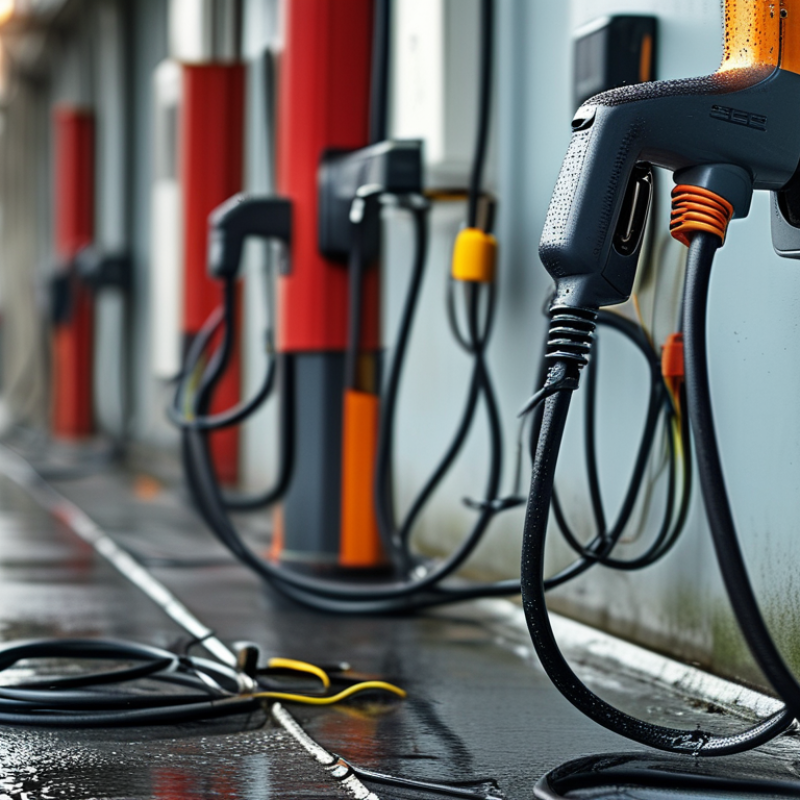
2026 Best Tethered or Untethered EV Charger Which Is Better?

EV Charger Basics: Tethered and Untethered Designs Explained

In 2026, choosing an EV charger begins with understanding its cable design. A tethered charger includes a permanently attached charging cable. You lift it from the wall, connect it to the vehicle, and start charging. This arrangement suits drivers who charge at the same parking space each night. It also avoids storing a separate cable in the vehicle.

A tethered cable can feel convenient during cold rain or dark mornings. However, it may hang across a walkway if the holder is poorly positioned. During home assessments, I check the cable length, wall height, parking angle, and drainage near the charger. Small details matter. A long cable is useful, but excess cable can become untidy or create a trip hazard. I have sometimes focused too much on charging power and overlooked cable management.

An untethered charger has a socket instead of a fixed cable. The driver carries a compatible cable and connects both ends when charging. This design looks cleaner and allows cable replacement without changing the charger. It can also suit households with different vehicles or future connector changes. Yet the loose cable needs dry storage, regular inspection, and careful handling. A wet connector, crushed insulation, or badly closed cover should not be ignored. Professional installation should confirm electrical capacity, protective equipment, earthing, and the charger’s environmental rating. Personal habits often decide the better design: convenience favors tethered systems, while flexibility favors untethered ones.

How Tethered and Untethered Chargers Differ in Daily Use

2026 Best Tethered or Untethered EV Charger Which Is Better?

How Tethered and Untethered Chargers Differ in Daily Use

A tethered charger keeps its charging cable permanently attached to the unit. You simply park, lift the plug, and connect it. This feels convenient during dark mornings or heavy rain. The cable is less likely to be forgotten. However, it needs a wall hook or storage cradle. Otherwise, it may lie across the driveway and collect dirt.

An untethered charger has a socket instead of a fixed cable. You bring a separate charging lead and connect both ends. This design looks cleaner and supports easier cable replacement. It also suits households with different vehicle connections. The daily routine takes longer, though. You must unlock the car, open the charger, and handle the cable each time. Small detail. It matters in winter.

From an installation perspective, cable length and parking position deserve careful attention. A tethered lead that is too short becomes frustrating. A longer lead can be heavy and harder to store. Untethered systems reduce visual clutter, but the loose cable needs a dry, secure place. Weather protection remains important for both designs. Good installers should check electrical capacity, mounting height, and protective devices before commissioning. Personal preference can change after a few weeks. I once assumed the tidier option would be better, but repeated cable handling proved more annoying than expected. Daily habits should guide the choice.

Comparing Installation, Compatibility, Safety, and Maintenance

Choosing between a tethered and untethered EV charger depends on installation, compatibility, safety, and maintenance. The IEA Global EV Outlook 2025 reported more than 17 million electric cars were sold worldwide in 2024. That growth makes daily charging convenience increasingly important. A tethered charger keeps its cable attached, so it suits drivers with a fixed parking space. Installation is usually straightforward, but the cable needs protection from rain, wheels, and children. An untethered unit has a socket instead. It looks cleaner and supports different cable lengths, but the driver must carry and store a separate cable.

Compatibility deserves careful checking. The connector must match the vehicle and local charging standard. Some homes also need a dedicated circuit, load assessment, and residual-current protection. The U.S. Department of Energy’s Alternative Fuels Data Center recommends professional installation and equipment meeting applicable electrical requirements. Small mistakes matter. An undersized circuit can create heat during long charging sessions. A qualified electrician should verify earthing, cable capacity, and protective devices before commissioning.

Safety systems reduce risk, but they do not remove maintenance duties. IEC 61851 requires control communication between the vehicle and charger, while IEC 62955 addresses DC residual-current protection for many AC charging installations. Users should inspect cables monthly for cuts, flattened sections, or overheated plugs. Dust around the socket also deserves attention. NREL field research has identified reliability as a key factor in public charging performance, although home chargers face fewer public-use stresses. Tethered cables may wear faster because they remain exposed. Untethered systems may be easier to replace. No option is perfect.

Which EV Charger Type Fits Different Drivers and Parking Spaces

2026 Best Tethered or Untethered EV Charger Which Is Better?

Which EV Charger Type Fits Different Drivers and Parking Spaces

Tethered and untethered chargers suit different parking realities. A tethered unit keeps its charging cable attached, so drivers can plug in immediately. It fits homeowners with one regular parking bay and predictable charging habits. After a rainy evening, the fixed cable feels practical and saves time. That convenience matters when the charger sits beside a narrow wall. However, the attached cable can look untidy and occupy valuable walkway space. Think about wall clearance.

An untethered charger has a socket instead of a permanent cable. It works well for shared driveways, apartment spaces, and drivers who already carry a preferred cable. Different cable lengths can match front, rear, or side charging ports. This flexibility helps when parking positions change. Yet the cable must be stored safely after every session. During a busy morning, that extra step may become annoying. A simple hook helps. Without one, the cable may touch wet ground or create a trip hazard.

Choosing between them requires more than comparing charger prices. For a private driveway, tethered charging often offers faster daily routines. For shared parking, untethered equipment can keep the space cleaner and more adaptable. Measure the bay before installation. Check cable reach, vehicle inlet location, wall strength, and outdoor exposure. An experienced installer should confirm electrical capacity and protective features. Energy demand also matters because some homes need managed charging during evening peaks. A careful assessment can still miss real-life habits. Convenience sometimes changes after the first month.

2026 Best Tethered or Untethered EV Charger: Which Is Better?

Which EV charger type fits different drivers and parking spaces?

What the chart shows: Charging power is determined mainly by the electrical supply, not by whether the charger has a fixed cable or a detachable cable. The values are calculated from nominal voltage × current: 230 V single-phase and 400 V three-phase supplies.

Tethered chargers are usually more convenient for a private driveway or dedicated parking bay because the cable is always available. Untethered chargers are more flexible for shared, managed, or visually sensitive parking spaces because the cable can be stored separately and replaced when necessary.

Key Factors for Choosing the Best EV Charger in 2026

Choosing the best EV charger in 2026 involves more than comparing tethered and untethered designs. A tethered unit keeps its cable attached, making daily charging quick and convenient. You simply park and plug in. An untethered charger looks neater and accepts different cables, which helps households with multiple electric vehicles. However, carrying and storing the cable can become irritating during rain or winter mornings.

Charging speed should match your vehicle, home wiring, and driving routine. A higher-rated charger is not automatically better if your electrical supply cannot support it. Ask a qualified electrician to check the consumer unit, cable distance, earthing, and available load. Look for clear safety protection, weather resistance, temperature monitoring, and dependable fault detection. App features may help, but stable charging matters more than decorative software.

Tips: Measure your parking distance before choosing cable length. Leave gentle cable slack, not a tight stretch. Check whether the charger supports scheduled charging and solar integration if relevant. Review warranty terms and installation support carefully. Test the unit after installation, including charging during colder or wetter conditions. I have seen owners focus on speed and overlook cable storage. That choice can age badly. A tidy installation often feels more valuable every evening.

2026 Best Tethered or Untethered EV Charger Which Is Better? - Key Factors for Choosing the Best EV Charger in 2026

Key Factor Tethered EV Charger Untethered EV Charger Better Choice
Basic design The charging cable is permanently attached to the wall-mounted unit. The wall-mounted unit has a charging socket; the cable is stored separately and plugged in when needed. Depends
Daily convenience Usually the fastest option for routine home charging because the cable is always ready to use. Requires the driver to retrieve, connect, and store the cable during each charging session. Tethered
Vehicle compatibility Works best when the connector permanently fitted to the charger matches the vehicle inlet. A connector mismatch may require an approved adapter, where permitted. More flexible because the cable can be changed to match another compatible vehicle inlet, provided the charger and cable meet the required standards. Untethered
Future-proofing Less adaptable if the household changes to a vehicle using a different connector standard. More adaptable because the removable cable can potentially be replaced without replacing the wall unit. Untethered
Charging speed Can provide the same charging power as an equivalent untethered model when voltage, current rating, vehicle capability, and installation conditions are the same. Can provide the same charging power as an equivalent tethered model. The cable must have a suitable current rating. Equal
Typical AC power range Common residential AC units are available around 3.6–7.4 kW on single-phase supplies and up to approximately 11–22 kW on suitable three-phase supplies. The same power range is available; the actual limit is determined by the charger, cable rating, electrical supply, and vehicle onboard charger. Equal
Cable management Needs a wall hook, holster, or cable-management system to prevent the fixed cable from resting on the ground. The cable can be removed and stored indoors, but a storage hook or bag is still useful for neatness and protection. Depends
Security and theft risk The permanently attached cable is generally harder to remove from the charger, although it remains exposed to cutting, vandalism, or accidental damage. The removable cable can be locked away when not in use, but it may be lost, borrowed, or stolen if left outside. Tethered
Replacement and repair A damaged cable may require a qualified service procedure and can be more expensive or less convenient to replace. A damaged or unsuitable cable can usually be replaced independently, subject to compatibility and safety requirements. Untethered
Portability Not portable; the cable remains attached to the fixed charging unit. The cable can be carried in the vehicle and used with other compatible untethered charge points. Untethered
Outdoor use Convenient for outdoor driveways because the cable is always available, but the connector and cable should be protected from prolonged standing water and physical damage. The cable can be stored in a dry location between sessions, reducing outdoor exposure when the charger is not being used. Depends
Shared parking or apartments Convenient for a dedicated parking bay, but the exposed cable may create a trip hazard if it crosses a pedestrian route. Better suited to managed spaces where users bring their own compatible cable, although cable availability must be planned. Untethered
Space and appearance Looks ready-to-use but may appear less tidy if the long cable is not coiled or supported correctly. Provides a cleaner wall appearance when the cable is removed, but requires separate cable storage. Depends
Installation requirements Requires a suitable dedicated circuit, protective devices, correct earthing, and installation by a qualified electrician in accordance with local rules. Requires essentially the same electrical installation standards; the socket and cable must also be correctly rated and compatible. Equal
Best for Drivers with one main EV, a dedicated parking space, frequent home charging, and a preference for maximum plug-in convenience. Households with multiple EV connector types, drivers who travel frequently, or users who value cable portability and easier replacement. Depends
Overall recommendation for 2026 Choose tethered when daily convenience, permanent availability, and simple routine charging are the highest priorities. Choose untethered when connector flexibility, portability, storage, and long-term adaptability are more important. Needs-based

Note: Charging performance depends on the vehicle’s onboard charger, the electrical supply, the charger’s rated output, the cable rating, installation quality, and local regulations. Always verify connector compatibility and use qualified electrical installation services.

FAQS

: What is a tethered EV charger?

: It has a permanently attached cable. You lift it, connect it, and begin charging.

When is a tethered charger convenient?

It suits drivers using the same parking space nightly. It saves you from storing a separate cable.

What problems can a tethered cable cause?

A poorly placed cable may cross a walkway or create a trip hazard. Measure carefully.

What is an untethered EV charger?

It has a charging socket instead of a fixed cable. You connect your own compatible cable when needed.

Why choose an untethered design?

It looks cleaner and allows cable replacement. It may also suit homes with different electric vehicles.

What care does a loose charging cable require?

Store it somewhere dry. Inspect crushed insulation, wet connectors, and damaged covers before charging.

How should I choose charging speed?

Match the charger with your vehicle, home wiring, and driving routine. Higher power is not always better.

What should an installation check include?

A qualified electrician should check electrical capacity, earthing, protective equipment, cable distance, and weather resistance.

How long should the charging cable be?

Measure the parking distance first. Leave gentle slack, but avoid a loose coil across the ground.

Which design is better for daily charging?

Tethered designs favor convenience. Untethered designs favor flexibility. Your habits matter more than appearance.

Are smart features essential?

Scheduled charging and solar support can help. Stable charging and safety protection matter more than decorative software.

What mistake do owners sometimes make?

They focus on charging speed and overlook cable storage. I have made that mistake too.

Conclusion

Choosing the right EV charger in 2026 starts with understanding the difference between tethered and untethered designs. A tethered charger has a permanently attached charging cable, making daily charging quick and convenient, while an untethered charger uses a separate cable that can be stored away or replaced when needed. The best option depends on installation space, vehicle compatibility, charging habits, safety preferences, and maintenance expectations. Tethered models are often practical for private driveways or dedicated parking spaces, whereas untethered units may suit shared areas, multiple vehicles, or drivers who value a cleaner appearance and greater flexibility.

So, which is better tethered or untethered EV chargers? There is no universal answer. Consider how often you charge, whether different vehicles may use the charger, available cable storage, exposure to weather, installation requirements, and long-term convenience. By comparing these factors carefully, drivers can select a safe, compatible, and easy-to-maintain EV charging solution that fits both their parking environment and future driving needs.

Liam

Liam

Liam is a dedicated marketing professional with a profound expertise in the industry, where he excels at highlighting the unique advantages of our core products. With a keen understanding of market trends and consumer needs, Liam frequently updates our company’s professional blog, providing......